

The EU-funded FutureFoodS project recently launched its first transnational call titled ‘Transforming Food Systems – reshaping food system interactions, fostering food innovations and empowering sustainable food choices’. The joint call is part of the project’s efforts to make Europe’s food production and consumption more resilient and sustainable. Around the world, hunger and poor nutrition are […]

What did ancient cities smell like?
The aroma of our societies evolves with changing trends, technologies – and hygiene. What would a time traveller from 2024 notice first about cities from previous centuries? Our expert Inger Leemans sniffs out the answers. “The first thing you probably would notice is that you can smell better,” says Leemans, a researcher based at the […]
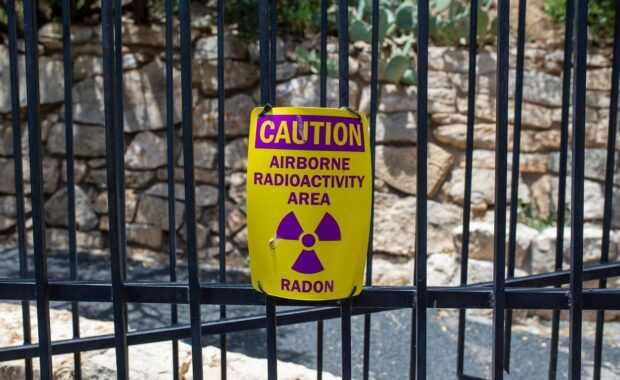
Promoting radiation research that benefits science and society
RadoNorm is engaging citizens in research related to testing and mitigating carcinogenic radon in high-risk areas. Its aim is to enhance protection against risks stemming from exposure to the radioactive gas. The EU-funded RadoNorm project was launched with the goal of achieving effective radiation protection based on better scientific evidence and social considerations. The project […]

Leading the way to less food waste
Smart packaging and biodegradable films: these are two of the many solutions in the SISTERS project aimed at reducing food waste in Europe. When it started in 2021, the EU-funded SISTERS project joined the fight to reduce food waste in the European Union, where more than 59 million tonnes of food waste is generated every […]
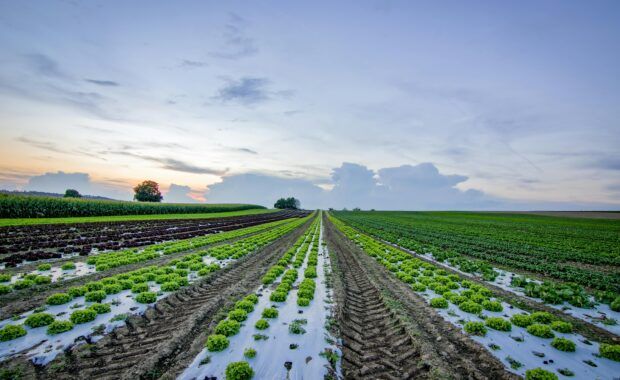
Improving Europe’s precision agriculture with AI
Through a combination of innovative technologies, researchers are empowering Europe’s farmers and making agriculture more efficient and sustainable. Artificial intelligence (AI) has a vast untapped potential in precision agriculture. Aided by remote sensing, Earth Observation (EO) systems, aerial surveys and innovative sensors, precision agriculture can better redistribute and save valuable resources and increase productivity – […]

Mapping global fungi from air samples
A global study supported by the EU-funded LIFEPLAN and INTERACT projects used DNA sequencing to identify fungi from air samples collected worldwide. The study reveals groundbreaking information about how climatic and evolutionary factors affect the occurrence and seasonal variation of known and unknown fungi. “This knowledge is essential not only to understand where and when […]

A holistic approach to understanding radicalisation
With an evidence-based approach, researchers examine how social exclusion impacts radicalisation and extremism among far-right and Muslim populations. Most studies that explore the root causes of extremism are theoretical and lack an empirical basis. While it is understood that radicalisation is fostered by a combination of social, structural and individual conditions, the interplay of these […]

Towards well-being for all in a time of uncertainty
A recent paper published with support from five EU-funded projects – SPES, ToBe, WISE Horizons, WISER and MERGE – sets out the path towards a policy model that prioritises sustainable and inclusive well-being. The policy paper was requested by the European Commission and is based on scientific insights and stakeholder input Recognising needs, creating change […]
EU-funded projects contribute to a climate-neutral European future
The new CORDIS Synergy Info Pack on Delivering growth and the green transition highlights how projects coming from different countries, sectors and funding programmes are all working towards the same shared goal: delivering the European Green Deal and its commitment to a climate-neutral future that benefits everyone. The European Green Deal is the EU’s commitment […]