• Skip to primary navigation
  • Skip to main content
  • Skip to primary sidebar
  • Skip to footer
  • Bluesky
  • Facebook
  • Instagram
  • Twitter
  • YouTube
CDE Almería – Centro de Documentación Europea – Universidad de Almería

CDE Almería - Centro de Documentación Europea - Universidad de Almería

Centro de Documentación Europea de la Universidad de Almería

  • HOME
  • WHAT´S ON
    • EU NEWS
    • Activities
    • EU Calls and Awards
    • Radio Program «Europe with You»
  • DOCUMENTATION
    • EU Media Collection
      • Web Space
      • MEDIATHEQUE REPOSITORY
  • Europe on the net
    • Institutions
    • EU Representation in Spain
    • European information network of Andalusia
  • ABOUT US
    • Presentation
    • Services
    • People
    • Contact
  • Spanish
  • English

From industrial side stream to clean source for biofuels

Inicio » Noticias UE » Medio Ambiente » From industrial side stream to clean source for biofuels

8 de October de 2024

A new process looks to turn black liquor, a by-product of the pulp and paper industry, into a low-emission biofuel.
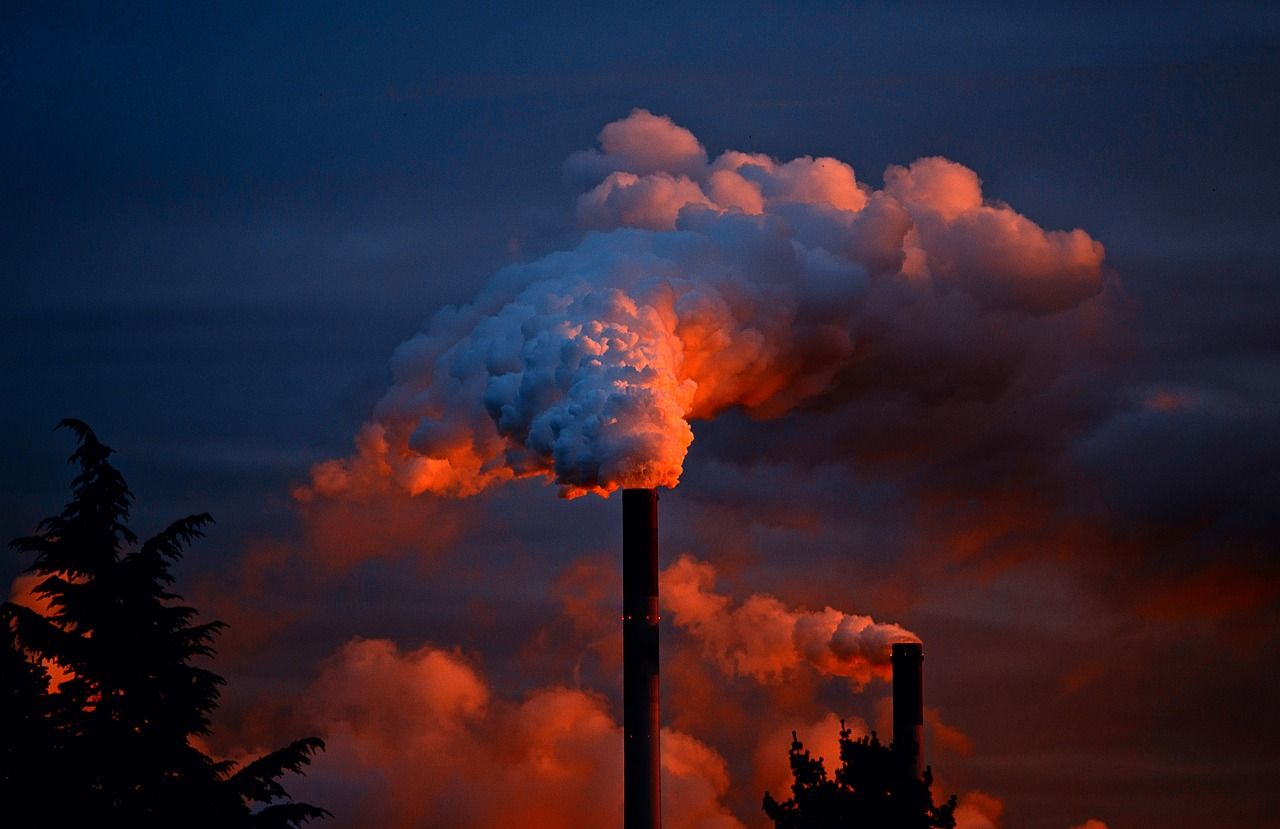
Cited by the International Energy Agency as the fifth most important fuel on Earth, black liquor has the potential to become the new black gold. “Black liquor is a common by-product of the pulp mills that make products from trees, such as paper and cardboard,” explains Tero Joronen, a principal researcher at Tampere University of Applied Sciences in Finland. Black liquor currently has several important uses. For example, it can be used to recover cooking chemicals and to produce the high-pressure steam used in pulp and paper-making processes. But, according to Joronen, this is just the tip of the iceberg. “Because it contains a specific lignin compound, black liquor has the potential to be used in making biofuels,” he says. The challenge is that the process for transforming black liquor into fuel is expensive – that is until now. With the support of the EU-funded BL2F project, Joronen helped develop an innovative process for creating a clean, high-quality and ready-to-use black liquor-based biofuel that can be used by the aviation and shipping sectors. “By helping achieve an 83 % reduction in CO2 emissions compared to fossil fuels, our solution can help the EU reach its climate objectives while also positioning Europe at the vanguard of renewable biofuel production,” adds Joronen.

An innovative hydrothermal liquefaction process

At the heart of the project is a first-of-its-kind hydrothermal liquefaction process that can be integrated into a pulp mill’s existing processes. “One of the many benefits of using hydrothermal liquefaction is that it eliminates the need to separate out the lignin, which lowers costs and emissions,” notes Joronen. “In addition, we can separate more than 95 % of the contaminated cooking salts.” However, getting to this point required that the project make several modifications. For instance, an initial concept included a hydrodeoxygenation process and an aqueous phase reforming process, both of which could improve the overall quality of the hydrothermal liquefaction. “During the technical feasibility study, we found that the costs of these processes far outweighed their benefits, so they were ultimately left out of the final design,” remarks Joronen. The simplified process for deriving black liquor was successfully demonstrated at a pilot plant.

The black liquor to biofuel value chain

According to Joronen, piloting the integration of hydrothermal liquefaction and salt separation for black liquor is a great technical breakthrough. “The BL2F process shows a feedback cycle that makes the entire process emit less carbon than producing fossil fuels,” he says. In fact, deploying the BL2F process at scale and using a variety of biomass could yield more than 50 billion litres of advanced biofuels by 2050 – more than enough to satisfy the aviation and shipping industry’s growing demand for advanced biofuels. “By showing that the value chain from black liquor to biofuel is indeed feasible, the BL2F project has opened the door to an important new source for producing clean biofuels,” concludes Joronen. Researchers with the project plan to continue their work through additional national and EU-funded projects.

Further information: CORDIS

Publicaciones relacionadas:

Greek island Tilos picks up award for clean energy transition World’s glaciers melting faster this century Colourful plastics to increase greenhouse production First LIFE Call for Proposals 2021 opened Default ThumbnailJRC launches new tool to explore the future of European energy

Environmental Affairs,  EU News,  Research and Innovation biofuels,  Black Liquor,  CORDIS,  Investigación,  Pulp Mill,  Research

“This is a space for debate. All comments, for or against publication, that are respectful and do not contain expressions that are discriminatory, defamatory or contrary to current legislation will be published”.

Reader Interactions

Leave a Reply Cancel reply

Your email address will not be published. Required fields are marked *

This site uses Akismet to reduce spam. Learn how your comment data is processed.

Primary Sidebar

Footer

  • CDE Almería
  • Biblioteca Nicolás Salmerón – Universidad de Almería
  • Planta: 1ª, Despacho: 1.05.0B.
  • Ctra. Sacramento s/n. Almería (Spain)
  • Teléfono: (+34) 950 015266

HOME
NEWS
DOCUMENTATION
EUROPE ON THE NET
ABOUT US

  • LEGAL NOTICE
  • PRIVACY POLICY
  • COOKIE POLICY
  • ACCESSIBILITY
  • SITEMAP

Copyright © 2026 CDE Almería · Creative Commons LicenseThis work is licensed under a Creative Commons Attribution-NonCommercial 4.0 International License.

<p>El Centro de Documentación Europea de la Universidad de Almería utiliza cookies propias y de terceros para facilitar al usuario la navegación en su página Web y el acceso a los distintos contenidos alojados en la misma. Asimismo, se utilizan cookies analíticas de terceros para medir la interacción de los usuarios con el sitio Web. Pinche el siguiente enlace si desea información sobre el uso de cookies y como deshabilitarlas. </p>

Politica de privacidad

El Centro de Documentación Europea de la Universidad de Almería utiliza cookies propias y de terceros para facilitar al usuario la navegación en su página Web y el acceso a los distintos contenidos alojados en la misma. Asimismo, se utilizan cookies analíticas de terceros para medir la interacción de los usuarios con el sitio Web. Pinche el siguiente enlace si desea información sobre el uso de cookies y como deshabilitarlas. <a href="/politica-de-cookies" rel="noopener" target="_blank">Más información</a>

Cookies estrictamente necesarias

Las cookies estrictamente necesarias tiene que activarse siempre para que podamos guardar tus preferencias de ajustes de cookies.

Básicamente la web no funcionara bien si no las activas.

Estas cookies son:

  • Comprobación de inicio de sesión.
  • Cookies de seguridad.
  • Aceptación/rechazo previo de cookies.
Cookies de terceros

Esta web utiliza Google Analytics, Google Tag Manager y Yandex Metrika para recopilar información anónima tal como el número de visitantes del sitio, o las páginas más populares.

Dejar estas cookies activas nos permite mejorar nuestra web.

Política de cookies

Pinche el siguiente enlace si desea información sobre el uso de cookies y como deshabilitarlas. Más información