• Skip to primary navigation
  • Skip to main content
  • Skip to primary sidebar
  • Skip to footer
  • Bluesky
  • Facebook
  • Instagram
  • Twitter
  • YouTube
CDE Almería – Centro de Documentación Europea – Universidad de Almería

CDE Almería - Centro de Documentación Europea - Universidad de Almería

Centro de Documentación Europea de la Universidad de Almería

  • HOME
  • WHAT´S ON
    • EU NEWS
    • Activities
    • EU Calls and Awards
    • Radio Program «Europe with You»
  • DOCUMENTATION
    • EU Media Collection
      • Web Space
      • MEDIATHEQUE REPOSITORY
  • Europe on the net
    • Institutions
    • EU Representation in Spain
    • European information network of Andalusia
  • ABOUT US
    • Presentation
    • Services
    • People
    • Contact
  • Spanish
  • English

EU funds tool to help journalists and fact-checkers distinguish truth from lies

Inicio » Noticias UE » Cultura y Educación » Communication » EU funds tool to help journalists and fact-checkers distinguish truth from lies

29 de November de 2023

Is what I am reading or watching online true? An EU-backed project has enhanced a tool that helps journalists and fact-checkers tell truth from lies.
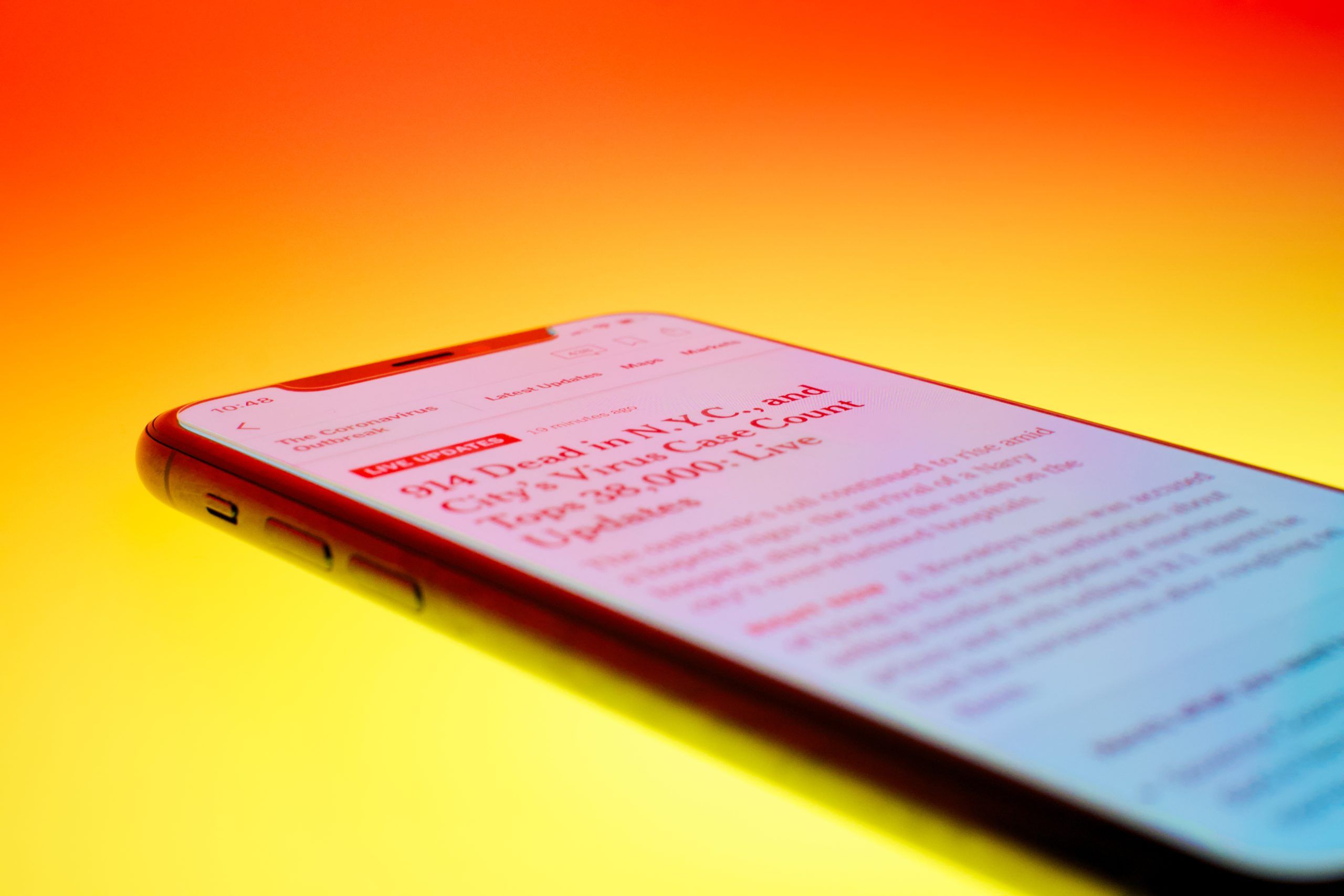
Verifying online content can be a long and tiring process, and recent advances in AI have made it even easier to create and spread false and misleading texts, images and videos. Rushing to the rescue are tools that help journalists and fact-checkers verify such information, one of which is the Database of Known Fakes. Called DBKF for short, the database was developed as part of an earlier EU project called WeVerify. Now, it has been further enhanced under the EU-funded vera.ai project.

The DBKF’s main purpose is to help professionals such as journalists, open-source intelligence investigators and human rights defenders save time and be more efficient in their fact-checking and debunking tasks. Has a claim, image or video already been debunked by trusted, IFCN-approved fact-checkers? Users can now easily verify this, and also see who did it, when and how it was done.

“Leveraging text analysis, visual similarity and semantic technologies, DBKF provides powerful search functionalities (beyond a keyword search) and enables insights into disinformation campaigns,” reports a news item posted on the vera.ai website. Users can search using a key phrase, filter by language, fact-checking source, author, location and other concepts, and sort results by date or by relevance.
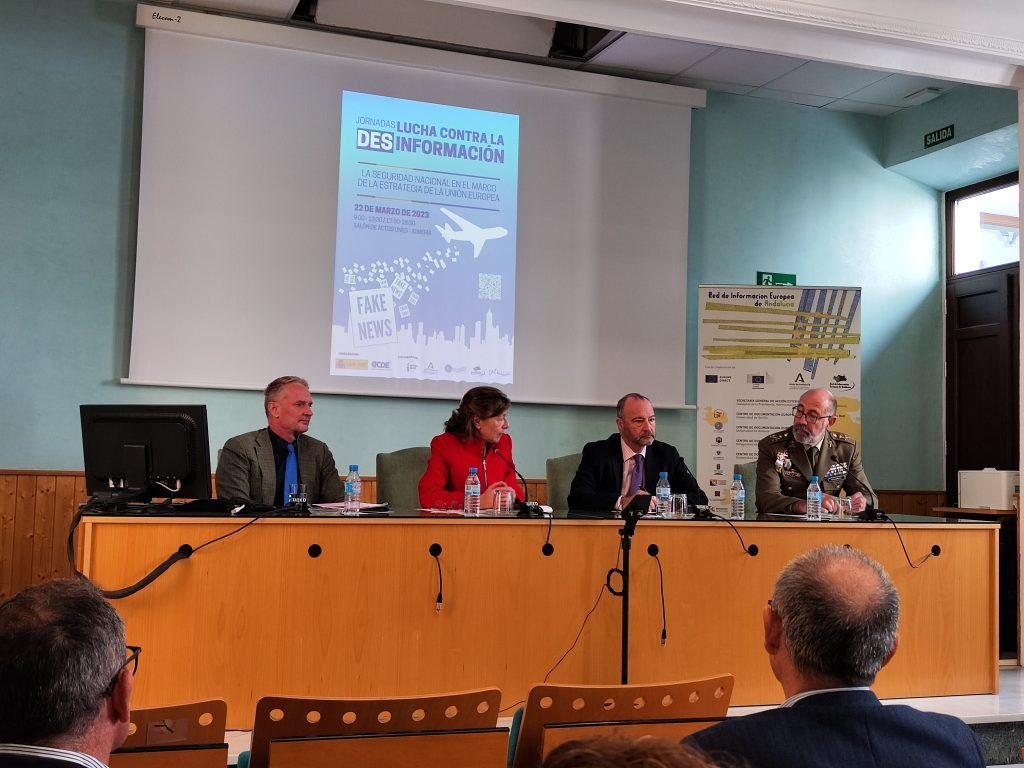
Jornadas “Lucha contra la desinformación: la Seguridad Nacional en el marco de la estrategia de la UE”


Multilingual searches enable users to get results in seven languages all at once. Location or concept filters also make it easier to compare how mentions differ in the various languages, allowing for greater insight into disinformation differences across contexts or regions.

The database’s main focus is on debunking EU sources. However, as the news item notes, it “also strives to cover fact-checking content across the globe (e.g. North America, Africa, Asia) to ensure a diversity of contexts and perspectives.”

It is not only the above professionals who have access to the database. The DBKF is also available to the public, so researchers investigating how misinformation is spread or citizens wanting to check whether what they have watched or read is true also have access to this valuable tool. A video posted on the verai.ai YouTube channel provides details on how the database works.

Online training

The DBKF’s search functionalities have been integrated into the award-winning InVID-WeVerify plugin. An online training module has now been organised by the European Digital Media Observatory in collaboration with verai.ai and two other bodies to help users master the InVID-WeVerify verification toolbox.

The training is open to all stakeholders fighting disinformation. Participants will learn how to use the advanced tools needed by fact-checkers, journalists and researchers fighting disinformation, and get insights on new features, such as the vera.ai (vera.ai: VERification Assisted by Artificial Intelligence) project’s synthetic media detector. Other benefits include access to the beta release.

The online session will be held on 6 December 2023, from 16:00 to 17:30 CET. Applications close on 27 November at 17:00 CET (Florence time). Further editions of this training module will be repeated on a regular basis.

More information: CORDIS
vera.ai project website

Publicaciones relacionadas:

The European Commission fights against disinformation How many people verified online information in 2021? Disinformation about Mariupol hospital Putin: The new tamer of neo-Nazism? José Manuel Pérez Tornero, from Almeria, will be elected new president of RTVE

Communication,  Education and Culture,  EU News CORDIS,  disinformation,  fact,  fact-checker,  fact-checking,  Fake News,  InVID-WeVerify plugin,  vera.ai,  verification,  «Database of Known Fakes»

“This is a space for debate. All comments, for or against publication, that are respectful and do not contain expressions that are discriminatory, defamatory or contrary to current legislation will be published”.

Reader Interactions

Leave a Reply Cancel reply

Your email address will not be published. Required fields are marked *

This site uses Akismet to reduce spam. Learn how your comment data is processed.

Primary Sidebar

Footer

  • CDE Almería
  • Biblioteca Nicolás Salmerón – Universidad de Almería
  • Planta: 1ª, Despacho: 1.05.0B.
  • Ctra. Sacramento s/n. Almería (Spain)
  • Teléfono: (+34) 950 015266

HOME
NEWS
DOCUMENTATION
EUROPE ON THE NET
ABOUT US

  • LEGAL NOTICE
  • PRIVACY POLICY
  • COOKIE POLICY
  • ACCESSIBILITY
  • SITEMAP

Copyright © 2026 CDE Almería · Creative Commons LicenseThis work is licensed under a Creative Commons Attribution-NonCommercial 4.0 International License.

<p>El Centro de Documentación Europea de la Universidad de Almería utiliza cookies propias y de terceros para facilitar al usuario la navegación en su página Web y el acceso a los distintos contenidos alojados en la misma. Asimismo, se utilizan cookies analíticas de terceros para medir la interacción de los usuarios con el sitio Web. Pinche el siguiente enlace si desea información sobre el uso de cookies y como deshabilitarlas. </p>

Politica de privacidad

El Centro de Documentación Europea de la Universidad de Almería utiliza cookies propias y de terceros para facilitar al usuario la navegación en su página Web y el acceso a los distintos contenidos alojados en la misma. Asimismo, se utilizan cookies analíticas de terceros para medir la interacción de los usuarios con el sitio Web. Pinche el siguiente enlace si desea información sobre el uso de cookies y como deshabilitarlas. <a href="/politica-de-cookies" rel="noopener" target="_blank">Más información</a>

Cookies estrictamente necesarias

Las cookies estrictamente necesarias tiene que activarse siempre para que podamos guardar tus preferencias de ajustes de cookies.

Básicamente la web no funcionara bien si no las activas.

Estas cookies son:

  • Comprobación de inicio de sesión.
  • Cookies de seguridad.
  • Aceptación/rechazo previo de cookies.
Cookies de terceros

Esta web utiliza Google Analytics, Google Tag Manager y Yandex Metrika para recopilar información anónima tal como el número de visitantes del sitio, o las páginas más populares.

Dejar estas cookies activas nos permite mejorar nuestra web.

Política de cookies

Pinche el siguiente enlace si desea información sobre el uso de cookies y como deshabilitarlas. Más información