• Skip to primary navigation
  • Skip to main content
  • Skip to primary sidebar
  • Skip to footer
  • Bluesky
  • Facebook
  • Instagram
  • Twitter
  • YouTube
CDE Almería – Centro de Documentación Europea – Universidad de Almería

CDE Almería - Centro de Documentación Europea - Universidad de Almería

Centro de Documentación Europea de la Universidad de Almería

  • HOME
  • WHAT´S ON
    • EU NEWS
    • Activities
    • EU Calls and Awards
    • Radio Program «Europe with You»
  • DOCUMENTATION
    • EU Media Collection
      • Web Space
      • MEDIATHEQUE REPOSITORY
  • Europe on the net
    • Institutions
    • EU Representation in Spain
    • European information network of Andalusia
  • ABOUT US
    • Presentation
    • Services
    • People
    • Contact
  • Spanish
  • English

CORDIS: Is new car smell carcinogenic?

Inicio » EU News » Health » Diseases » CORDIS: Is new car smell carcinogenic?

5 de June de 2024

There’s a hidden danger lurking in car interiors that we’re not even aware of, says new study.
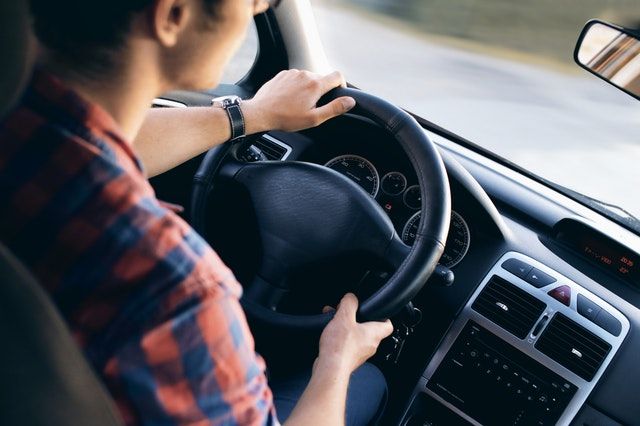
Running late to work because of traffic? Hazardous road conditions? Concerned exhaust fumes are polluting the planet? These could be the least of your worries next time you’re behind the wheel. According to research published in the journal ‘Environmental Science & Technology’, we should be more troubled about the chemicals found in nearly all car interiors. A research team in the United States and Canada warns that the air we’re breathing in cabins is potentially cancerous.

Take a ride on the toxic side

The researchers analysed 101 car models made after 2015. In 99 % of the tested cars, they found that the air inside may be filled with potential carcinogens in the form of flame retardant chemicals. Such flame retardants are used in seat foam and other interior surfaces. Remember the joy you felt from the new car smell? At least some of that scent could be due to toxic carcinogens. These chemicals are known or suspected to cause cancer. They are also linked to neurological and reproductive issues, and even lower IQ in children. What’s more, the harmful fumes released into the air remain for years – irrespective of whether a car was older or newer. “Our research found that interior materials release harmful chemicals into the cabin air of our cars,” commented lead author Rebecca Hoehn, environmental scientist at Duke University in the United States, in a press release. “Considering the average driver spends about an hour in the car every day, this is a significant public health issue. It’s particularly concerning for drivers with longer commutes as well as child passengers, who breathe more air pound for pound than adults.” The problem becomes much worse during the summer months when cabins reach very high temperatures. As a result, these flame retardants break down and pollute the air. The chemicals’ rate of evaporation goes way up.

Fine line between fire safety and health

“You may be able to reduce your exposure to flame retardants in your car by opening your windows and parking in the shade,” explained co-author Lydia Jahl, a senior scientist at the Green Science Policy Institute in California. She added: “But what’s really needed is reducing the amount of flame retardants being added to cars in the first place. Commuting to work shouldn’t come with a cancer risk, and children shouldn’t breathe in chemicals that can harm their brains on their way to school.”

Do we trust all types of scientists equally? CORDIS answers

More information: European Commission

Publicaciones relacionadas:

Proyecto MEDIWARN CoronavirusMedical sensors boost response to Italy’s COVID-19 crisis Cuidados con Compasión: A tool for heatlh professionals to face COVID-19 Delivering animal vaccines and antibodies to protect humans from diseases like COVID-19 Covid-19 tracing apps: ensuring privacy and data protection First EIC COVID-19 Response certificates




Diseases,  EU News,  Health,  Production,  Research and Innovation,  Youth Cancer,  car,  CORDIS,  EU,  European Commission

“This is a space for debate. All comments, for or against publication, that are respectful and do not contain expressions that are discriminatory, defamatory or contrary to current legislation will be published”.

Reader Interactions

Leave a Reply Cancel reply

Your email address will not be published. Required fields are marked *

This site uses Akismet to reduce spam. Learn how your comment data is processed.

Primary Sidebar

Footer

  • CDE Almería
  • Biblioteca Nicolás Salmerón – Universidad de Almería
  • Planta: 1ª, Despacho: 1.05.0B.
  • Ctra. Sacramento s/n. Almería (Spain)
  • Teléfono: (+34) 950 015266

HOME
NEWS
DOCUMENTATION
EUROPE ON THE NET
ABOUT US

  • LEGAL NOTICE
  • PRIVACY POLICY
  • COOKIE POLICY
  • ACCESSIBILITY
  • SITEMAP

Copyright © 2026 CDE Almería · Creative Commons LicenseThis work is licensed under a Creative Commons Attribution-NonCommercial 4.0 International License.

<p>El Centro de Documentación Europea de la Universidad de Almería utiliza cookies propias y de terceros para facilitar al usuario la navegación en su página Web y el acceso a los distintos contenidos alojados en la misma. Asimismo, se utilizan cookies analíticas de terceros para medir la interacción de los usuarios con el sitio Web. Pinche el siguiente enlace si desea información sobre el uso de cookies y como deshabilitarlas. </p>

Politica de privacidad

El Centro de Documentación Europea de la Universidad de Almería utiliza cookies propias y de terceros para facilitar al usuario la navegación en su página Web y el acceso a los distintos contenidos alojados en la misma. Asimismo, se utilizan cookies analíticas de terceros para medir la interacción de los usuarios con el sitio Web. Pinche el siguiente enlace si desea información sobre el uso de cookies y como deshabilitarlas. <a href="/politica-de-cookies" rel="noopener" target="_blank">Más información</a>

Cookies estrictamente necesarias

Las cookies estrictamente necesarias tiene que activarse siempre para que podamos guardar tus preferencias de ajustes de cookies.

Básicamente la web no funcionara bien si no las activas.

Estas cookies son:

  • Comprobación de inicio de sesión.
  • Cookies de seguridad.
  • Aceptación/rechazo previo de cookies.
Cookies de terceros

Esta web utiliza Google Analytics, Google Tag Manager y Yandex Metrika para recopilar información anónima tal como el número de visitantes del sitio, o las páginas más populares.

Dejar estas cookies activas nos permite mejorar nuestra web.

Política de cookies

Pinche el siguiente enlace si desea información sobre el uso de cookies y como deshabilitarlas. Más información