
The EU has set ambitious targets for the agricultural sector. Not only do Europe’s farmers need to ensure a reliable supply of high-quality food – fruit, vegetables, nuts, cereals and animal products – and non-food products at competitive prices, they must also deliver on the environmental commitments of the EU Green Deal and farm to fork strategy.
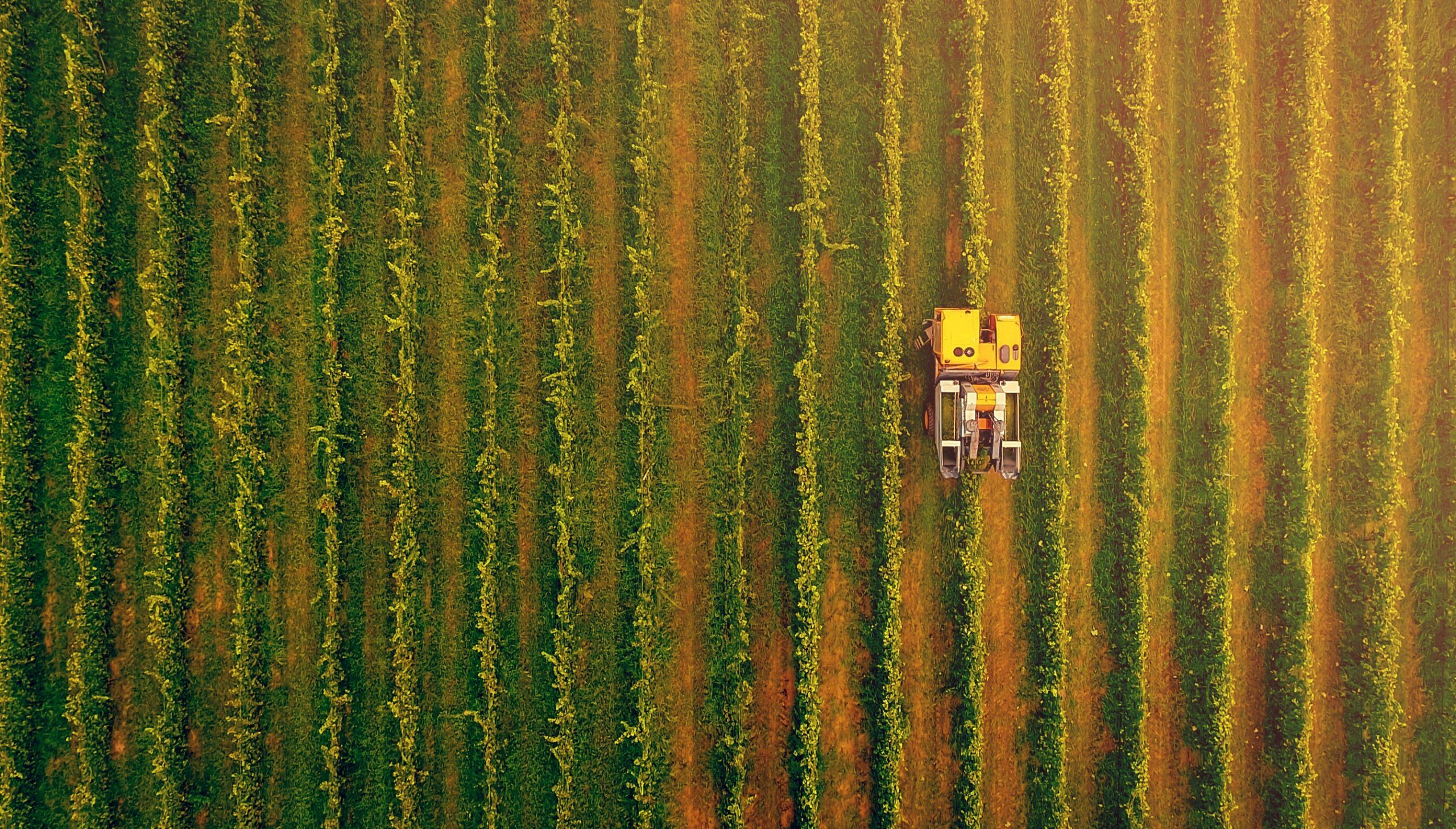
Over the last 70 years, the farming sector has achieved great success in the first goal, but this has often come at the cost of environmental degradation, land and water pollution, negative impacts on biodiversity, and a high carbon footprint.
Agroecology offers a way to couple the EU’s food production needs with environmental stewardship and climate ambitions. It has been identified as an approach that can be supported through the eco-schemes under the first pillar of the revised common agricultural policy.
The European Commission, EU Member States and countries associated with Horizon Europe, coordinated under a Strategic Working Group on Agroecology within the Standing Committee on Agricultural Research (SCAR), have co-created the foundation for a future Horizon Europe partnership on ‘Accelerating farming systems transition: agroecology living labs and research infrastructures’, to be tentatively launched in 2024.
The overarching goal of this partnership is to align EU and national research agendas in this promising research area to tap into the potential of agroecology to accelerate the transition towards resilient, sustainable, climate-, ecosystem- and social-friendly farming systems. The research and innovation activities will also support the objectives of the new organic action plan, in line with the Commission target to have at least 25 % of agricultural land under organic production by 2030.
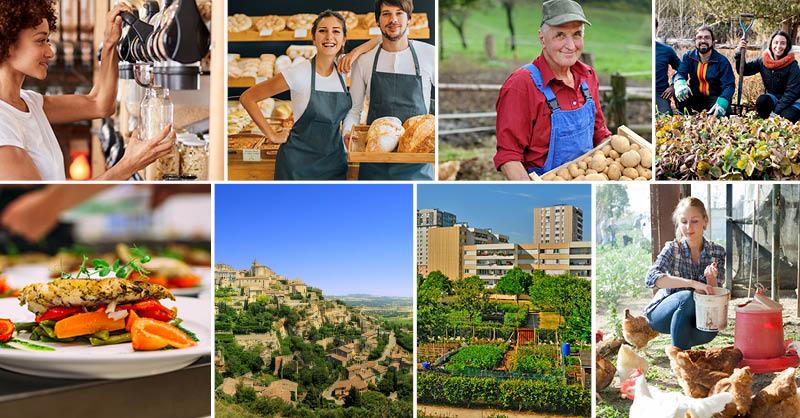
EU Organic award 2023 |
This new Results Pack on Agroecology presents 14 EU-funded research projects that are helping to shape the future of farming. These projects are contributing to an increased understanding of the practical implementation of agroecological practices, along with their environmental, climate, economic and social benefits. By sharing these successes, we hope to inspire and mobilise stakeholders to work together to scale up this important research area.
The CORE Organic Cofund project is a network of European ministries and research councils dedicated to funding research in organic farming and farming systems. To grow the knowledge base around agroecology, BIOFRUITNET focuses on building networks and structures to better gather and share information between stakeholders.
ALL-Ready and AE4EU are working to strengthen Europe’s research and innovation system for agroecology by increasing connections among all actors and establishing networks of living labs and research infrastructures.
The BRESOV and EUCLEG projects seek to enhance resilience and productivity of crops used in sustainable farming, while ECOBREED brings together partners from around the world to build a better supply of organic seeds.
Through their work with farmers, DiverIMPACTS demonstrates how agroecological practices such as crop diversification, can be adapted across a range of European climates and habitats. SUPER-G lays the groundwork for sustainable and profitable grassland systems across Europe. Adding to this, RELACS, Organic-PLUS and IWMPRAISE examine how to reduce and phase out the use of contentious inputs such as copper and other plant and animal health products used in organic farming, as well as herbicides.
And to facilitate the adoption of agroecology, CONSOLE and Contracts2.0 showcase novel frameworks to promote the creation and valorisation of environmentally friendly public goods.
More information: Cordis
Publicaciones relacionadas:
 Commission prepares new initiatives to boost the organic farming sector
 Agriculture: Commission approves new geographical indication for Spain
 Commission paves the way to improve the movement of mobile machinery on public roads across the EU
 Climate change adaptation: key to the future of EU agricultural imports
 Temporary short-term derogation agricultural policy rules
Leave a Reply