• Skip to primary navigation
  • Skip to main content
  • Skip to primary sidebar
  • Skip to footer
  • Bluesky
  • Facebook
  • Instagram
  • Twitter
  • YouTube
CDE Almería – Centro de Documentación Europea – Universidad de Almería

CDE Almería - Centro de Documentación Europea - Universidad de Almería

Centro de Documentación Europea de la Universidad de Almería

  • HOME
  • WHAT´S ON
    • EU NEWS
    • Activities
    • EU Calls and Awards
    • Radio Program «Europe with You»
  • DOCUMENTATION
    • EU Media Collection
      • Web Space
      • MEDIATHEQUE REPOSITORY
  • Europe on the net
    • Institutions
    • EU Representation in Spain
    • European information network of Andalusia
  • ABOUT US
    • Presentation
    • Services
    • People
    • Contact
  • Spanish
  • English

Spain’s bathing waters remain safe

Inicio » EU News » Environmental Affairs » Spain’s bathing waters remain safe

29 de May de 2024

The vast majority of bathing sites in Spain met the highest quality level of EU standards (‘excellent’ quality) in 2023, according to the latest annual bathing water report. This represents 87.6% of the most frequented bathing waters in Spain (EU average: 85.4%). Up to 97% of all officially identified bathing waters in Spain met the minimum quality standards (EU average 96%), and only 1.7% were rated as ‘poor’ (1.5% for the EU as a whole).

The assessment, produced by the European Environment Agency (EEA) in cooperation with the Commission, gives a good indication of where bathers can find safe bathing areas in Europe this summer. It focuses specifically on bathing safety, as bacteria that could cause serious illness in humans are monitored, rather than general water quality.

The highest percentage of ‘excellent’ bathing water quality is found in Greece, Croatia, Cyprus and Austria. In Belgium, Bulgaria, Luxembourg, Malta, Austria and Romania, all officially identified bathing waters met at least the minimum quality standard in 2023.

Coastal bathing water quality is generally better than inland waters. In 2023, 89% of classified coastal bathing areas were of excellent quality, compared to just under 79% of inland bathing waters.

Since the adoption of the Bathing Water Directive in 2006, the proportion of bathing waters of poor quality has decreased over the last decade and has remained stable since 2015. However, health risks from swimming in bathing water remain a problem, with 321 ‘poor’ quality sites reported in 2023 in the EU.
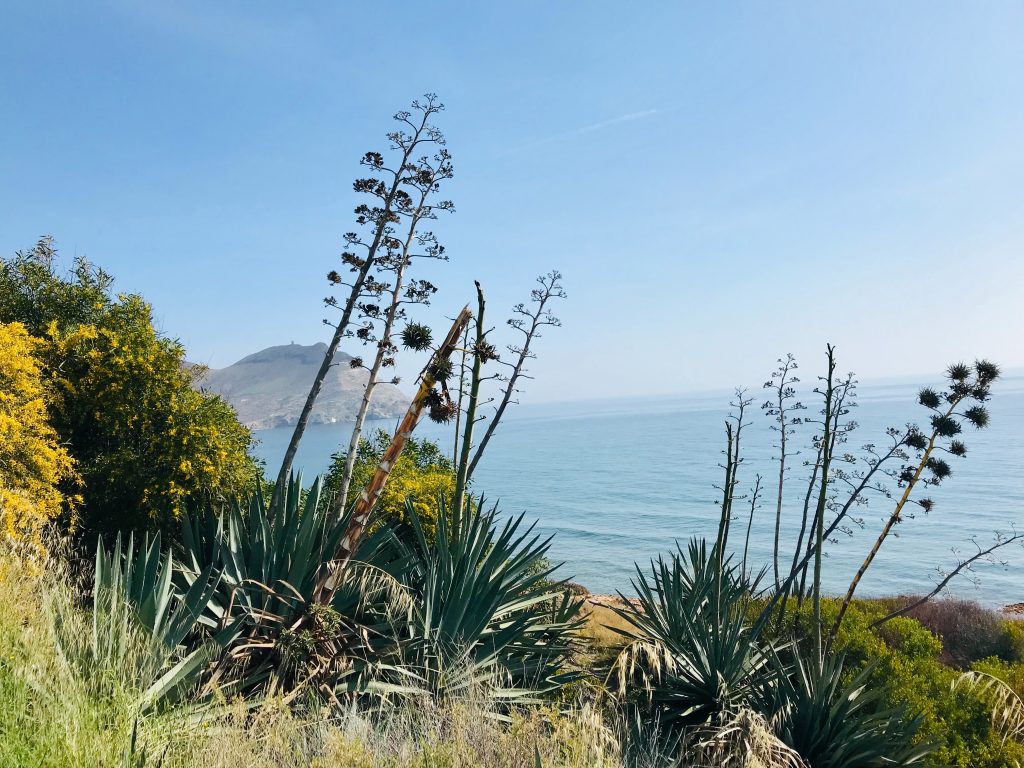
Water quality in Spanish bathing areas is higher than European average

Background

The assessment carried out for today’s report is based on the results reported to the EEA following the monitoring of 22 081 bathing sites across Europe in the 2023 season. The assessment covers sites in all EU Member States, Albania and Switzerland. It is based on data reported by Member States for the 2020-2023 bathing seasons.

Along with this year’s bathing water report, the EEA has also published an updated interactive map showing the results for each bathing site. Updated country reports are also available, as well as additional information on the implementation of the Directive in each country.

Although most European bathing waters are in excellent bacteriological condition, pollution of surface and groundwater remains significant and may be aggravated by climate change. It will be essential to improve water resilience for people and the environment in the coming years.

The Bathing Water Directive, which complements the Water Framework Directive, is one of several pieces of EU legislation protecting water, namely the Environmental Quality Standards Directive, the Groundwater Directive, the Nitrates Directive, the Marine Strategy Framework Directive and the Urban Waste Water Treatment Directive.

In the context of the European Green Pact and the Zero Pollution Action Plan, the Commission is assessing whether the Bathing Water Directive is still adequate to protect public health and improve water quality, or whether there is a need to improve existing standards and propose relevant updates, including new parameters to allow better assessment of bathing water quality in the future.

The report is published during the Commission’s annual EU Green Week, which starts in Brussels on 29 May and includes the conference ‘Towards a Water Resilient Europe’. On the occasion of this EU Green Week, the Commission will launch the #WaterWiseEU campaign: a campaign to raise awareness of the need to transform the way water is managed, used and valued, with the aim of encouraging people to ‘see water differently’ and explore solutions to the various water challenges we face today.

More information: 

2023 Bathing Water Quality Assessment, including country factsheets and interactive map

EU bathing water quality standards

Revision of the Bathing Water Directive
Publicaciones relacionadas:

Spain wins the Environment category of the LIFE Awards EU cohesion policy: 77 million euros for green transport in Andalusia Spain: 285 million euros to contribute to rail freight development EU Biodiversity strategy for 2030 estación de tren11 Spanish transport infrastructure projects to receive European funding

Environmental Affairs,  EU News bathing,  beach,  European Commission,  Spain

“This is a space for debate. All comments, for or against publication, that are respectful and do not contain expressions that are discriminatory, defamatory or contrary to current legislation will be published”.

Reader Interactions

Leave a Reply Cancel reply

Your email address will not be published. Required fields are marked *

This site uses Akismet to reduce spam. Learn how your comment data is processed.

Primary Sidebar

Footer

  • CDE Almería
  • Biblioteca Nicolás Salmerón – Universidad de Almería
  • Planta: 1ª, Despacho: 1.05.0B.
  • Ctra. Sacramento s/n. Almería (Spain)
  • Teléfono: (+34) 950 015266

HOME
NEWS
DOCUMENTATION
EUROPE ON THE NET
ABOUT US

  • LEGAL NOTICE
  • PRIVACY POLICY
  • COOKIE POLICY
  • ACCESSIBILITY
  • SITEMAP

Copyright © 2026 CDE Almería · Creative Commons LicenseThis work is licensed under a Creative Commons Attribution-NonCommercial 4.0 International License.

<p>El Centro de Documentación Europea de la Universidad de Almería utiliza cookies propias y de terceros para facilitar al usuario la navegación en su página Web y el acceso a los distintos contenidos alojados en la misma. Asimismo, se utilizan cookies analíticas de terceros para medir la interacción de los usuarios con el sitio Web. Pinche el siguiente enlace si desea información sobre el uso de cookies y como deshabilitarlas. </p>

Politica de privacidad

El Centro de Documentación Europea de la Universidad de Almería utiliza cookies propias y de terceros para facilitar al usuario la navegación en su página Web y el acceso a los distintos contenidos alojados en la misma. Asimismo, se utilizan cookies analíticas de terceros para medir la interacción de los usuarios con el sitio Web. Pinche el siguiente enlace si desea información sobre el uso de cookies y como deshabilitarlas. <a href="/politica-de-cookies" rel="noopener" target="_blank">Más información</a>

Cookies estrictamente necesarias

Las cookies estrictamente necesarias tiene que activarse siempre para que podamos guardar tus preferencias de ajustes de cookies.

Básicamente la web no funcionara bien si no las activas.

Estas cookies son:

  • Comprobación de inicio de sesión.
  • Cookies de seguridad.
  • Aceptación/rechazo previo de cookies.
Cookies de terceros

Esta web utiliza Google Analytics, Google Tag Manager y Yandex Metrika para recopilar información anónima tal como el número de visitantes del sitio, o las páginas más populares.

Dejar estas cookies activas nos permite mejorar nuestra web.

Política de cookies

Pinche el siguiente enlace si desea información sobre el uso de cookies y como deshabilitarlas. Más información