
The majority of Europe’s bathing areas met the European Union’s strictest “excellent” quality standards in 2022, according to the latest annual bathing water report published on Friday. The assessment, produced by the European Environment Agency (EEA) in cooperation with the Commission, points out where bathers can find the cleanest bathing areas in Europe this summer.
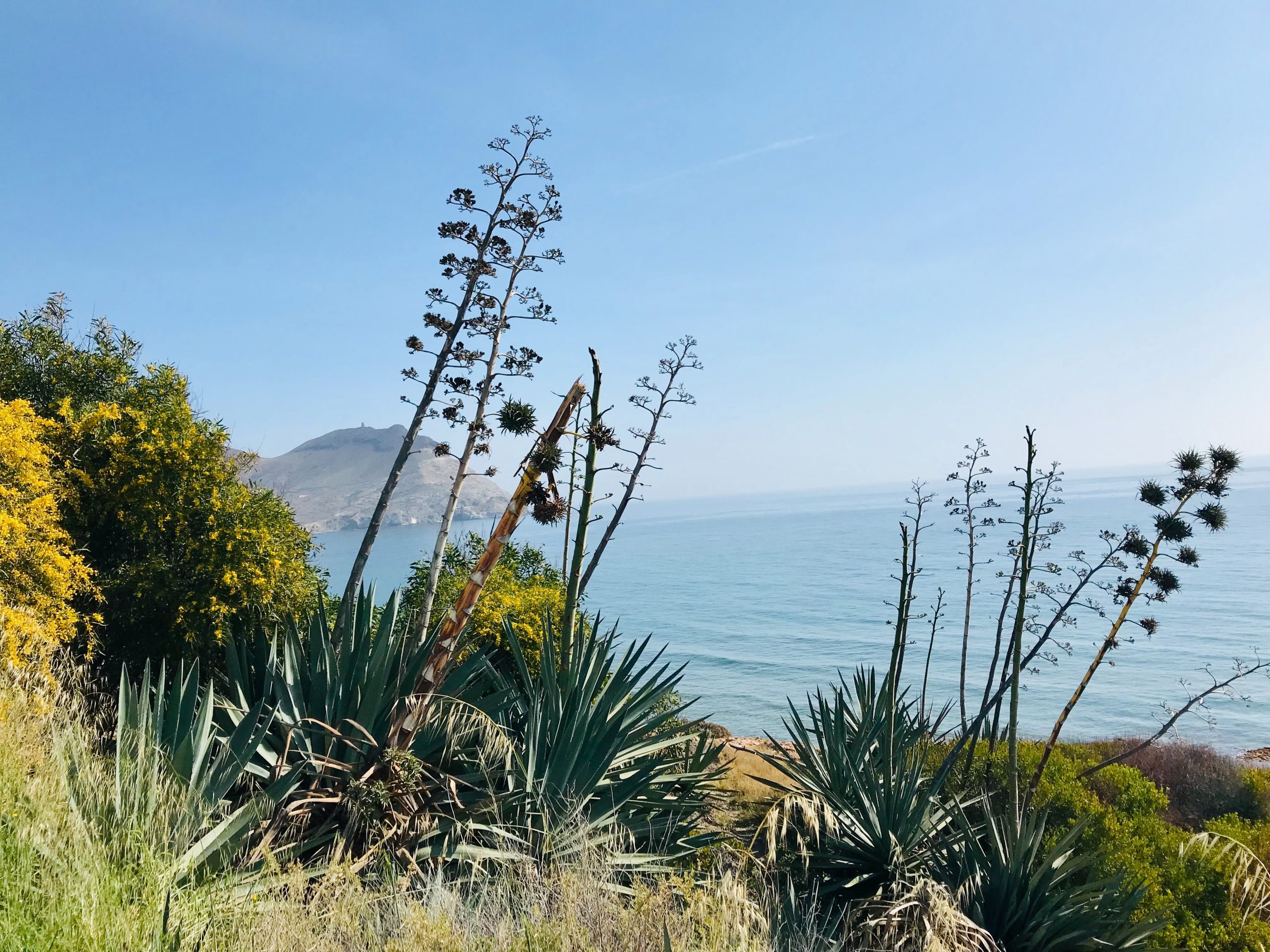
The majority of Europe’s bathing areas met the European Union’s strictest “excellent” quality standards in 2022, according to the latest annual bathing water report published on Friday. The assessment, produced by the European Environment Agency (EEA) in cooperation with the Commission, points out where bathers can find the cleanest bathing areas in Europe this summer.
Water quality in coastal areas, which account for two-thirds of bathing areas, is generally better than in inland areas of rivers and lakes. In 2022, 88.9% of coastal bathing areas in the EU were classified as excellent quality, compared to 79.3% of inland bathing areas.
In 2022, 95 % of the bathing waters in Cyprus, Austria, Greece and Croatia had “excellent” quality. In addition, in Malta, Bulgaria, Romania, Slovenia and Luxembourg, all bathing waters assessed met at least the minimum degree of sufficient quality in 2022.
In the case of Spain, 88.2% of its bathing areas are of excellent quality. In the case of coastal and inland areas, 92.8% and 55.9% have the excellent category respectively.
Since the adoption of the Bathing Water Directive in 2006, the percentage of “excellent” quality zones has increased and stabilized in recent years between 85 and 89% of coastal bathing waters and between 77 and 81% of inland bathing waters. In 2022, it represented 85.7% of all EU bathing waters. Minimum water quality standards were met in 95.9 % of all EU bathing waters.
European bathing water quality in 2022 – SPAIN
European bathing water quality in 2022 – SPAIN |
The percentage of bathing waters of insufficient quality has decreased over the last decade and has remained stable since 2015. In 2022, bathing waters of insufficient quality accounted for only 1.5% of all bathing waters in the EU. This shows that the health risk of swimming in bathing water is slowly decreasing in Europe.
Bathing water quality in coastal areas is generally better than in inland waters due to more frequent renewal and the higher self-purification capacity of open coastal waters. In addition, many inland bathing waters in Central Europe are located in relatively small lakes and ponds and in low-flow rivers. Compared to coastal areas, these inland waters are more susceptible to short-term pollution due to heavy summer rains or droughts, especially in summer.
More than 1,800 bathing water areas (8%) are located in cities with more than 100,000 inhabitants, mainly in Greece, France, Italy and Spain. These areas play an important role in the quality of life in cities and provide ecosystem benefits.
Context
The assessment carried out in preparation for Friday’s report is based on the results reported to the EEA following the monitoring of 21,973 bathing sites across Europe in the 2022 season. The assessment covers sites in all EU Member States, Albania and Switzerland. Sites must be monitored for four consecutive bathing seasons before they can be considered “excellent”, “good”, “sufficient” or “poor” quality.
Along with this year’s Bathing Water Report, the EEA has also published an updated interactive map showing the results for each bathing site. Updated country reports are also available, as well as additional information regarding the implementation of the Directive in each country.
In the context of the European Green Pact and the “Zero Pollution” Action Plan, the Commission is now examining whether the Bathing Water Directive remains in line with its objective of protecting public health and improving water quality, or whether there is a need to improve existing standards and propose relevant updates, e.g. new parameters.
The Bathing Water Directive is one of several pieces of EU legislation protecting water. It is complemented by the Water Framework Directive, the Environmental Quality Standards Directive, the Groundwater Directive, the Marine Strategy Framework Directive and the Urban Wastewater Treatment Directive.
Más información
Evaluación de 2022 de la calidad de las aguas de baño
Informes por país
Mapa interactivo
Normas de la UE sobre calidad de las aguas de baño
Revisión de la Directiva sobre las aguas de baño
Publicaciones relacionadas:
 New plan to support green and digital transition and EU recovery
 Building a Climate-Resilient Future – A new EU Strategy on Adaptation to Climate Change
 The ancient holm oak of Lecina European Tree of the Year 2021!
 Global emissions cuts in line with Paris Agreement mean near-term benefits for Earth
 Commission launches EU missions to tackle major challenges
Leave a Reply