• Skip to primary navigation
  • Skip to main content
  • Skip to primary sidebar
  • Skip to footer
  • Bluesky
  • Facebook
  • Instagram
  • Twitter
  • YouTube
CDE Almería – Centro de Documentación Europea – Universidad de Almería

CDE Almería - Centro de Documentación Europea - Universidad de Almería

Centro de Documentación Europea de la Universidad de Almería

  • HOME
  • WHAT´S ON
    • EU NEWS
    • Activities
    • EU Calls and Awards
    • Radio Program «Europe with You»
  • DOCUMENTATION
    • EU Media Collection
      • Web Space
      • MEDIATHEQUE REPOSITORY
  • Europe on the net
    • Institutions
    • EU Representation in Spain
    • European information network of Andalusia
  • ABOUT US
    • Presentation
    • Services
    • People
    • Contact
  • Spanish
  • English

EU Biodiversity strategy for 2030

Inicio » EU News » Environmental Affairs » EU Biodiversity strategy for 2030

7 de March de 2023

According to data from the International Union for Conservation of Nature (IUCN), 36 species have become extinct in Europe since 2015.
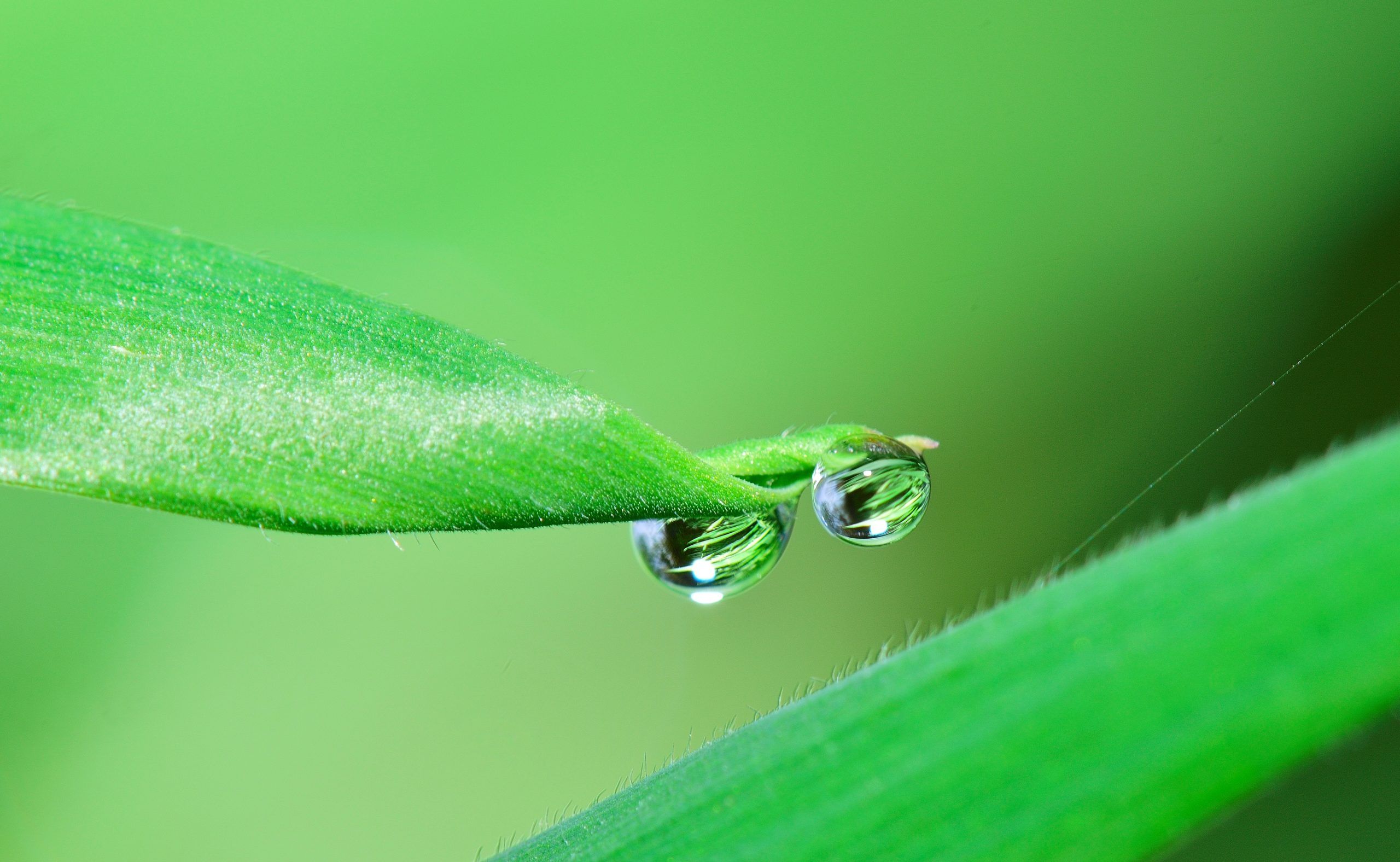
These figures are alarming, and prompt action is urgently needed to protect not only the animals but also their habitats. The European Union has developed numerous initiatives and programs to preserve nature and ecosystems, and minimize human impact on them.

EU Biodiversity Strategy 2030

The European Parliament considers as endangered those “plants and animals that are at risk of extinction due to habitat loss and degradation, pollution, climate change and invasive alien species”.

If we speak of European mammals, one in six would be at risk of extinction. But external factors do not only affect mammals, another case would be the loss of pollinators, such as bees. Or even plants and trees.
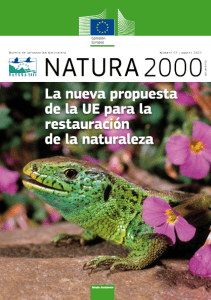
Natura 2000. La nueva propuesta de la UE para la restauración de la naturaleza. Número 52, agosto 2022

One way to preserve the variety of flora and fauna is the EU Biodiversity Strategy 2030, which is not only about avoiding, but also about restoring the damage caused to our planet’s biodiversity.

Under this strategy, the EU will increase the number of Natura 2000 Network sites to restore already degraded ecosystems and prevent further damage.

Other Commission actions

In addition, the European Union is implementing projects such as Farm to Fork, which aims to achieve a sustainable food system. As well as promoting more environmentally friendly agriculture, the use of pesticides and fertilizers that can pollute the environment will be reduced.

The European Commission presents a Green Deal Industrial Plan to enhance the competitiveness of Europe’s net-zero industry


The fight against climate change is an action that must be a priority. The European commitment is reflected in the 2030 Agenda or the European Green Pact, which provides support for an energy transition towards cleaner production, while at the same time aiming for more environmentally friendly consumption.

A better world is possible, one in which we can enjoy all the biodiversity while being aware of the importance of preserving nature with small actions in our daily lives.

Source: Representación de la Comisión Europea en España

Publicaciones relacionadas:

Spain wins the Environment category of the LIFE Awards EU cohesion policy: 77 million euros for green transport in Andalusia Spain: 285 million euros to contribute to rail freight development Vista cenital de contendores comerciales.EU Trade Ministers’ Climate Coalition persona aprendiendo a conducirRoad safety: Updated requirements for driving licences

Environmental Affairs,  EU News 2030,  biodiversity,  Comision Europea,  European Commission,  Spain,  strategy,  Unión Europea

“This is a space for debate. All comments, for or against publication, that are respectful and do not contain expressions that are discriminatory, defamatory or contrary to current legislation will be published”.

Reader Interactions

Leave a Reply Cancel reply

Your email address will not be published. Required fields are marked *

This site uses Akismet to reduce spam. Learn how your comment data is processed.

Primary Sidebar

Footer

  • CDE Almería
  • Biblioteca Nicolás Salmerón – Universidad de Almería
  • Planta: 1ª, Despacho: 1.05.0B.
  • Ctra. Sacramento s/n. Almería (Spain)
  • Teléfono: (+34) 950 015266

HOME
NEWS
DOCUMENTATION
EUROPE ON THE NET
ABOUT US

  • LEGAL NOTICE
  • PRIVACY POLICY
  • COOKIE POLICY
  • ACCESSIBILITY
  • SITEMAP

Copyright © 2026 CDE Almería · Creative Commons LicenseThis work is licensed under a Creative Commons Attribution-NonCommercial 4.0 International License.

<p>El Centro de Documentación Europea de la Universidad de Almería utiliza cookies propias y de terceros para facilitar al usuario la navegación en su página Web y el acceso a los distintos contenidos alojados en la misma. Asimismo, se utilizan cookies analíticas de terceros para medir la interacción de los usuarios con el sitio Web. Pinche el siguiente enlace si desea información sobre el uso de cookies y como deshabilitarlas. </p>

Politica de privacidad

El Centro de Documentación Europea de la Universidad de Almería utiliza cookies propias y de terceros para facilitar al usuario la navegación en su página Web y el acceso a los distintos contenidos alojados en la misma. Asimismo, se utilizan cookies analíticas de terceros para medir la interacción de los usuarios con el sitio Web. Pinche el siguiente enlace si desea información sobre el uso de cookies y como deshabilitarlas. <a href="/politica-de-cookies" rel="noopener" target="_blank">Más información</a>

Cookies estrictamente necesarias

Las cookies estrictamente necesarias tiene que activarse siempre para que podamos guardar tus preferencias de ajustes de cookies.

Básicamente la web no funcionara bien si no las activas.

Estas cookies son:

  • Comprobación de inicio de sesión.
  • Cookies de seguridad.
  • Aceptación/rechazo previo de cookies.
Cookies de terceros

Esta web utiliza Google Analytics, Google Tag Manager y Yandex Metrika para recopilar información anónima tal como el número de visitantes del sitio, o las páginas más populares.

Dejar estas cookies activas nos permite mejorar nuestra web.

Política de cookies

Pinche el siguiente enlace si desea información sobre el uso de cookies y como deshabilitarlas. Más información