• Skip to primary navigation
  • Skip to main content
  • Skip to primary sidebar
  • Skip to footer
  • Bluesky
  • Facebook
  • Instagram
  • Twitter
  • YouTube
CDE Almería – Centro de Documentación Europea – Universidad de Almería

CDE Almería - Centro de Documentación Europea - Universidad de Almería

Centro de Documentación Europea de la Universidad de Almería

  • HOME
  • WHAT´S ON
    • EU NEWS
    • Activities
    • EU Calls and Awards
    • Radio Program «Europe with You»
  • DOCUMENTATION
    • EU Media Collection
      • Web Space
      • MEDIATHEQUE REPOSITORY
  • Europe on the net
    • Institutions
    • EU Representation in Spain
    • European information network of Andalusia
  • ABOUT US
    • Presentation
    • Services
    • People
    • Contact
  • Spanish
  • English

Negative trends for the Spanish fishing fleet

Inicio » EU News » Agriculture, Livestock Farming and Fisheries » Farming activity » Negative trends for the Spanish fishing fleet

14 de March de 2023

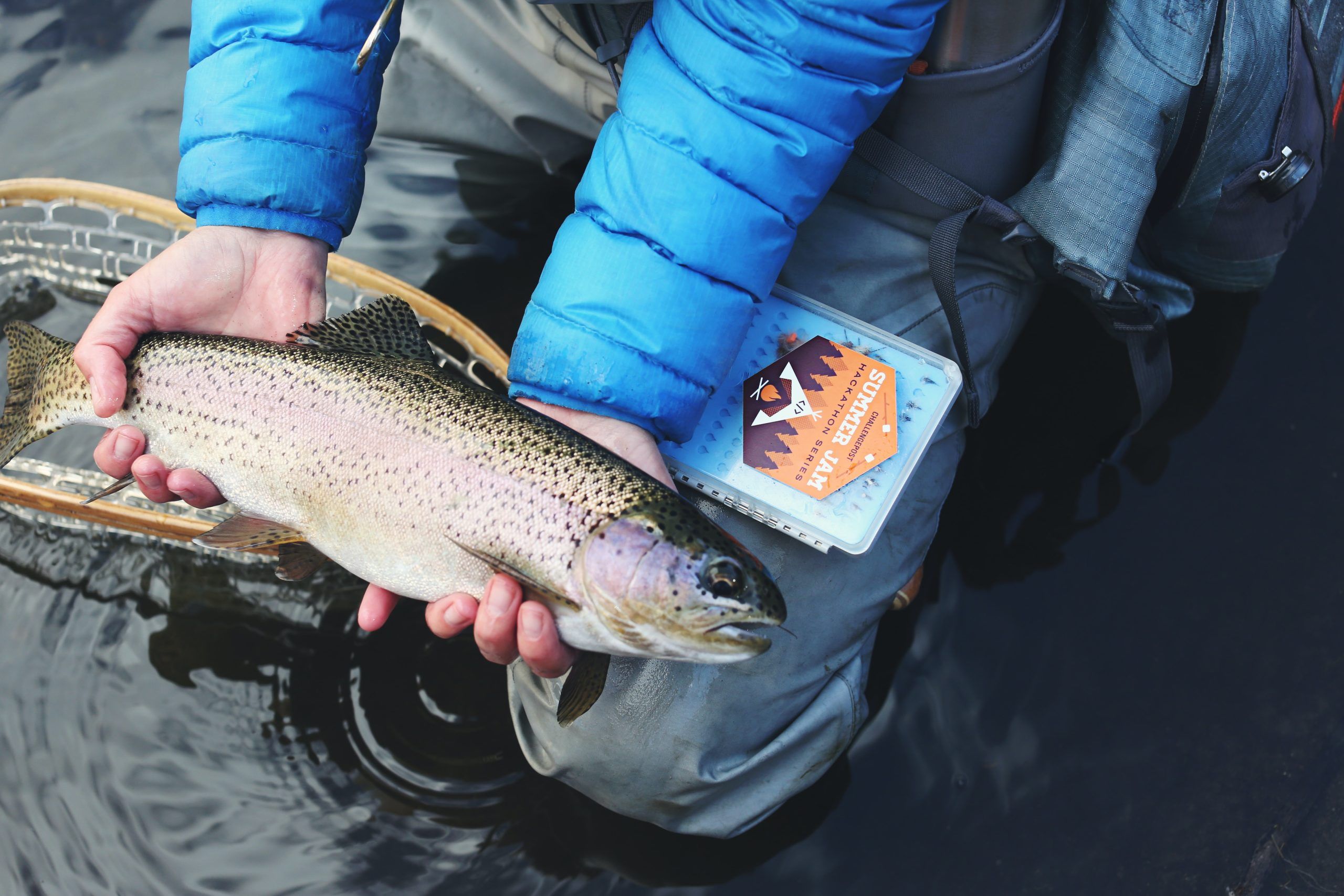
Predictions point to the Spanish fishing fleet continuing its negative trend in terms of fishing effort, landed weight and value in 2021, due to the COVID-19 pandemic, although an increase in the value of landings appears to be recorded in 2022. In terms of operating costs, predictions point to a decrease in 2021.
manos sujetan pescado

However, energy costs started an increasing trend in 2021 that has increased in 2022 due to the war in Ukraine.

As a result of all these factors, predictions indicate that the Spanish fleet maintained during 2021 a positive profitability, although lower than in 2020, and will continue to worsen in 2022, according to the 2022 Annual Economic Report on the EU Fishing Fleet, recently published by the JRC.
La Unión Europea anuncia que invertirá 816,5 M € en acciones para proteger el océano

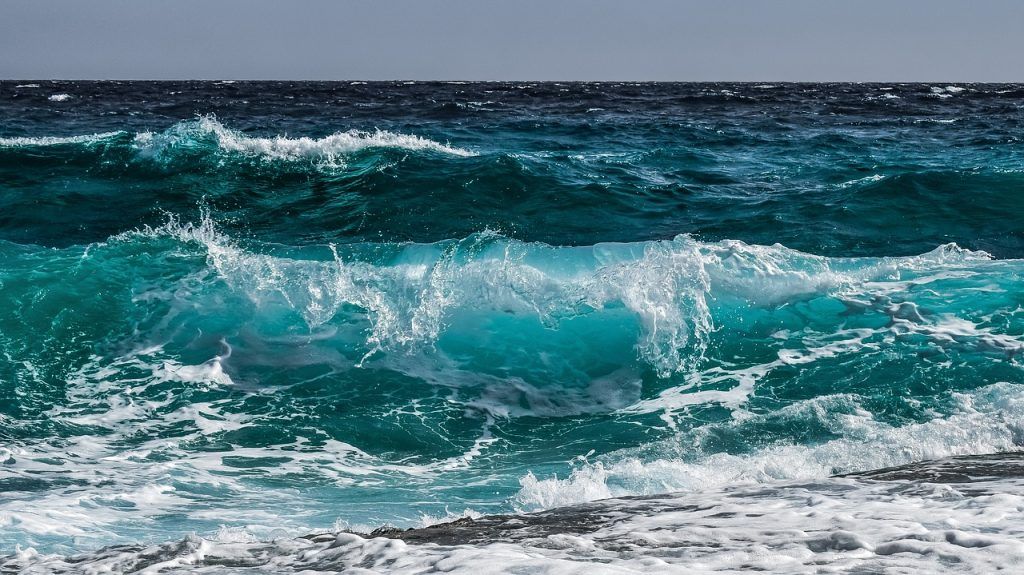
The EU fishing sector is expected to struggle to maintain profits due to sharp increases in energy costs and inflation in 2022, which could result in the EU fishing fleet ending 2022 in a loss-making situation. The results of this report also show that the objectives of sustainable fisheries and energy transition are mutually reinforcing and necessary to ensure the long-term socio-economic viability of the EU fishing sector. In addition to forecasts for 2022, the report examines the year 2020, when the sector suffered the effects of the COVID-19 pandemic. The effects of rising fuel prices on operating costs, due to Russia’s military aggression on Ukraine, are also mentioned.

More information: European Commission

Publicaciones relacionadas:
Spanish team wins Farming by Satellite Prize 2020 The Commission includes Acehúche Cheese of Spain in the PDO Barco de pescaEuropean Parliament Fisheries Committee will evaluate how Ecuador fights against illegal fishing AU-EU agrifood platform: reinforcing the link between the EU and African private sectors Commission prepares new initiatives to boost the organic farming sector



Agriculture, Livestock Farming and Fisheries,  EU News,  Farming activity Comision Europea,  Europe,  fishing,  Pesca,  Spain,  Trends

“This is a space for debate. All comments, for or against publication, that are respectful and do not contain expressions that are discriminatory, defamatory or contrary to current legislation will be published”.

Reader Interactions

Leave a Reply Cancel reply

Your email address will not be published. Required fields are marked *

This site uses Akismet to reduce spam. Learn how your comment data is processed.

Primary Sidebar

Footer

  • CDE Almería
  • Biblioteca Nicolás Salmerón – Universidad de Almería
  • Planta: 1ª, Despacho: 1.05.0B.
  • Ctra. Sacramento s/n. Almería (Spain)
  • Teléfono: (+34) 950 015266

HOME
NEWS
DOCUMENTATION
EUROPE ON THE NET
ABOUT US

  • LEGAL NOTICE
  • PRIVACY POLICY
  • COOKIE POLICY
  • ACCESSIBILITY
  • SITEMAP

Copyright © 2026 CDE Almería · Creative Commons LicenseThis work is licensed under a Creative Commons Attribution-NonCommercial 4.0 International License.

<p>El Centro de Documentación Europea de la Universidad de Almería utiliza cookies propias y de terceros para facilitar al usuario la navegación en su página Web y el acceso a los distintos contenidos alojados en la misma. Asimismo, se utilizan cookies analíticas de terceros para medir la interacción de los usuarios con el sitio Web. Pinche el siguiente enlace si desea información sobre el uso de cookies y como deshabilitarlas. </p>

Politica de privacidad

El Centro de Documentación Europea de la Universidad de Almería utiliza cookies propias y de terceros para facilitar al usuario la navegación en su página Web y el acceso a los distintos contenidos alojados en la misma. Asimismo, se utilizan cookies analíticas de terceros para medir la interacción de los usuarios con el sitio Web. Pinche el siguiente enlace si desea información sobre el uso de cookies y como deshabilitarlas. <a href="/politica-de-cookies" rel="noopener" target="_blank">Más información</a>

Cookies estrictamente necesarias

Las cookies estrictamente necesarias tiene que activarse siempre para que podamos guardar tus preferencias de ajustes de cookies.

Básicamente la web no funcionara bien si no las activas.

Estas cookies son:

  • Comprobación de inicio de sesión.
  • Cookies de seguridad.
  • Aceptación/rechazo previo de cookies.
Cookies de terceros

Esta web utiliza Google Analytics, Google Tag Manager y Yandex Metrika para recopilar información anónima tal como el número de visitantes del sitio, o las páginas más populares.

Dejar estas cookies activas nos permite mejorar nuestra web.

Política de cookies

Pinche el siguiente enlace si desea información sobre el uso de cookies y como deshabilitarlas. Más información