• Skip to primary navigation
  • Skip to main content
  • Skip to primary sidebar
  • Skip to footer
  • Bluesky
  • Facebook
  • Instagram
  • Twitter
  • YouTube
CDE Almería – Centro de Documentación Europea – Universidad de Almería

CDE Almería - Centro de Documentación Europea - Universidad de Almería

Centro de Documentación Europea de la Universidad de Almería

  • HOME
  • WHAT´S ON
    • EU NEWS
    • Activities
    • EU Calls and Awards
    • Radio Program «Europe with You»
  • DOCUMENTATION
    • EU Media Collection
      • Web Space
      • MEDIATHEQUE REPOSITORY
  • Europe on the net
    • Institutions
    • EU Representation in Spain
    • European information network of Andalusia
  • ABOUT US
    • Presentation
    • Services
    • People
    • Contact
  • Spanish
  • English

Collecting litter and data to combat plastic pollution

Inicio » EU News » Collecting litter and data to combat plastic pollution

26 de September de 2019

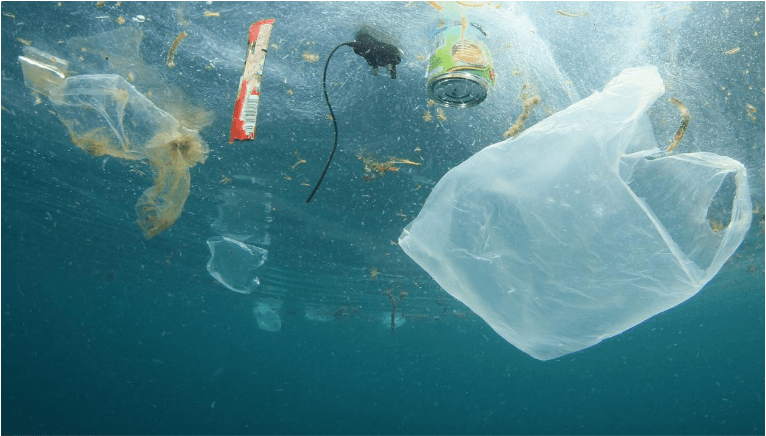
More and more communities around the world are working against marine litter and plastic pollution.

A Danish initiative mobilises schoolchildren to collect plastic waste and research data that will become part of the European Environment Agency’s (EEA) database on marine litter. Better data on plastic pollution helps inform policies and tackle the problem.

more than 57,000 Danish children make an effort to clean up the country’s nature from plastic pollution and gather data for research and the EEA’s Marine Litter Watch database. The nationwide initiative is part of an annual science week, organised by Astra, a national centre for science learning, and MarinePlastic, centre for research in marine plastic pollution.

Plastic pollution damages the environment, valuable materials are lost, and cleaning up is very difficult. There is also a growing concern over micro- and nanoplastics’ impact on animals and humans. “Beating plastic pollution has become one of the top priorities in Europe and globally and, by collecting both litter and data, these children make a real effort to tackle the problem. It is truly inspirational to see children shape their future in this way and a reminder for us all about the urgency of action. In Europe, we need to lead the way towards a circular, low-carbon economy and part of that effort is cutting down on single-use plastics.”, said Hans Bruyninckx, EEA Executive Director.

The EEA Marine Litter Watch initiative aims to combat plastic pollution by using research conducted, at least partly, by members of the public and mobile-phone technology. Volunteers use the Marine Litter Watch app to form communities that collect litter from beaches and send data on the items to the EEA. Last year, the EEA published an analysis on the data registered until 2017, which identified disposable plastic as by far the biggest contributor to marine litter.

The Danish initiative coincided with the #EUBeachCleanUp campaign, which also used EEA’s Marine Litter Watch platform. Organised by the European Union, the United Nations Regional Information Centre for Western Europe (UNRIC), the global network of United Nations Information Centres (UNICs) and the Smurfs, the campaign aims to inspire all EU delegations, UNICs and partners around the world to organise an activity around the World Clean-up Day, was held on Saturday 21 September 2019.

The Marine Litter Watch app is available for Android and iOS devices. The app can be downloaded, free of charge, from Google Play and the App Store.

More information

Complete news


Publicaciones relacionadas:

Mini robots to create patterns inspired by nature Brote verde sale de la tierra trabajadaCommission increases national support to farmers up to €25,000 Parliament to host conference on abolishing the death penalty The EC and the consumer protection authorities demand clear information on prices and discounts Economic policies in EU: some progress, challenges remain


EU News

“This is a space for debate. All comments, for or against publication, that are respectful and do not contain expressions that are discriminatory, defamatory or contrary to current legislation will be published”.

Reader Interactions

Leave a Reply Cancel reply

Your email address will not be published. Required fields are marked *

This site uses Akismet to reduce spam. Learn how your comment data is processed.

Primary Sidebar

Footer

  • CDE Almería
  • Biblioteca Nicolás Salmerón – Universidad de Almería
  • Planta: 1ª, Despacho: 1.05.0B.
  • Ctra. Sacramento s/n. Almería (Spain)
  • Teléfono: (+34) 950 015266

HOME
NEWS
DOCUMENTATION
EUROPE ON THE NET
ABOUT US

  • LEGAL NOTICE
  • PRIVACY POLICY
  • COOKIE POLICY
  • ACCESSIBILITY
  • SITEMAP

Copyright © 2026 CDE Almería · Creative Commons LicenseThis work is licensed under a Creative Commons Attribution-NonCommercial 4.0 International License.

<p>El Centro de Documentación Europea de la Universidad de Almería utiliza cookies propias y de terceros para facilitar al usuario la navegación en su página Web y el acceso a los distintos contenidos alojados en la misma. Asimismo, se utilizan cookies analíticas de terceros para medir la interacción de los usuarios con el sitio Web. Pinche el siguiente enlace si desea información sobre el uso de cookies y como deshabilitarlas. </p>

Politica de privacidad

El Centro de Documentación Europea de la Universidad de Almería utiliza cookies propias y de terceros para facilitar al usuario la navegación en su página Web y el acceso a los distintos contenidos alojados en la misma. Asimismo, se utilizan cookies analíticas de terceros para medir la interacción de los usuarios con el sitio Web. Pinche el siguiente enlace si desea información sobre el uso de cookies y como deshabilitarlas. <a href="/politica-de-cookies" rel="noopener" target="_blank">Más información</a>

Cookies estrictamente necesarias

Las cookies estrictamente necesarias tiene que activarse siempre para que podamos guardar tus preferencias de ajustes de cookies.

Básicamente la web no funcionara bien si no las activas.

Estas cookies son:

  • Comprobación de inicio de sesión.
  • Cookies de seguridad.
  • Aceptación/rechazo previo de cookies.
Cookies de terceros

Esta web utiliza Google Analytics, Google Tag Manager y Yandex Metrika para recopilar información anónima tal como el número de visitantes del sitio, o las páginas más populares.

Dejar estas cookies activas nos permite mejorar nuestra web.

Política de cookies

Pinche el siguiente enlace si desea información sobre el uso de cookies y como deshabilitarlas. Más información