• Skip to primary navigation
  • Skip to main content
  • Skip to primary sidebar
  • Skip to footer
  • Bluesky
  • Facebook
  • Instagram
  • Twitter
  • YouTube
CDE Almería – Centro de Documentación Europea – Universidad de Almería

CDE Almería - Centro de Documentación Europea - Universidad de Almería

Centro de Documentación Europea de la Universidad de Almería

  • HOME
  • WHAT´S ON
    • EU NEWS
    • Activities
    • EU Calls and Awards
    • Radio Program «Europe with You»
  • DOCUMENTATION
    • EU Media Collection
      • Web Space
      • MEDIATHEQUE REPOSITORY
  • Europe on the net
    • Institutions
    • EU Representation in Spain
    • European information network of Andalusia
  • ABOUT US
    • Presentation
    • Services
    • People
    • Contact
  • Spanish
  • English

Agreement on foreign subsidies: ensuring equal competition in the EU

Inicio » Noticias UE » Mercado » International Trade » Agreement on foreign subsidies: ensuring equal competition in the EU

5 de July de 2022

Parliament and Council negotiators agreed on Thursday 30 June on new tools ensuring that foreign subsidies granted by non-EU countries to companies do not distort the internal market.
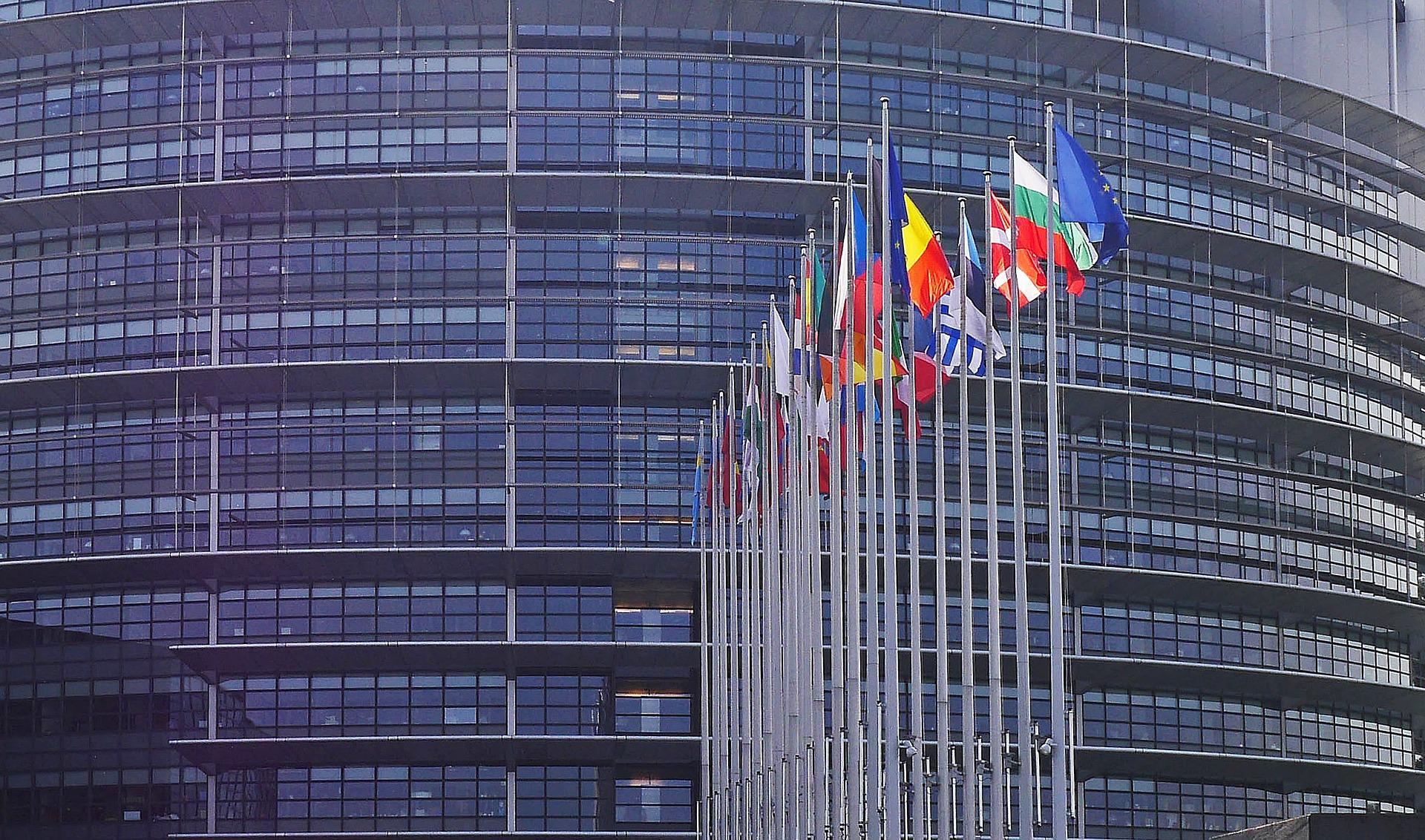
The new draft regulation will enable the Commission to investigate subsidies granted by non-EU public authorities to companies operating in the EU. If it finds that the subsidies are distortive, it can apply redressive measures and avoid that, for instance, subsidised firms outbid EU competitors in public procurement procedures or benefit from low-cost financing.
New EU Authority for Anti-money laundering: Council agrees its partial position

More effective tool

To enhance the effectiveness of EU action, EP negotiators made sure that state-owned companies – which often receive subsidies – are explicitly included in the scope of the regulation. MEPs also shortened the period available for the Commission to investigate potentially distortive foreign subsidies in public procurement. In addition, member states, companies and other interested parties will be able to approach the Commission with information on potential distortive subsidies.

Preserve openness, strive for multilateral solutions

To maintain the openness of the EU and promote dialogue, MEPs insisted in allowing the Commission to engage with non-EU countries that have repeatedly been granting distortive subsidies. Negotiators emphasize that the EU’s overall aim is to improve multilateral rules on subsidies. MEPs successfully argued that once multilateral rules render the new tool redundant, it can be scrapped.
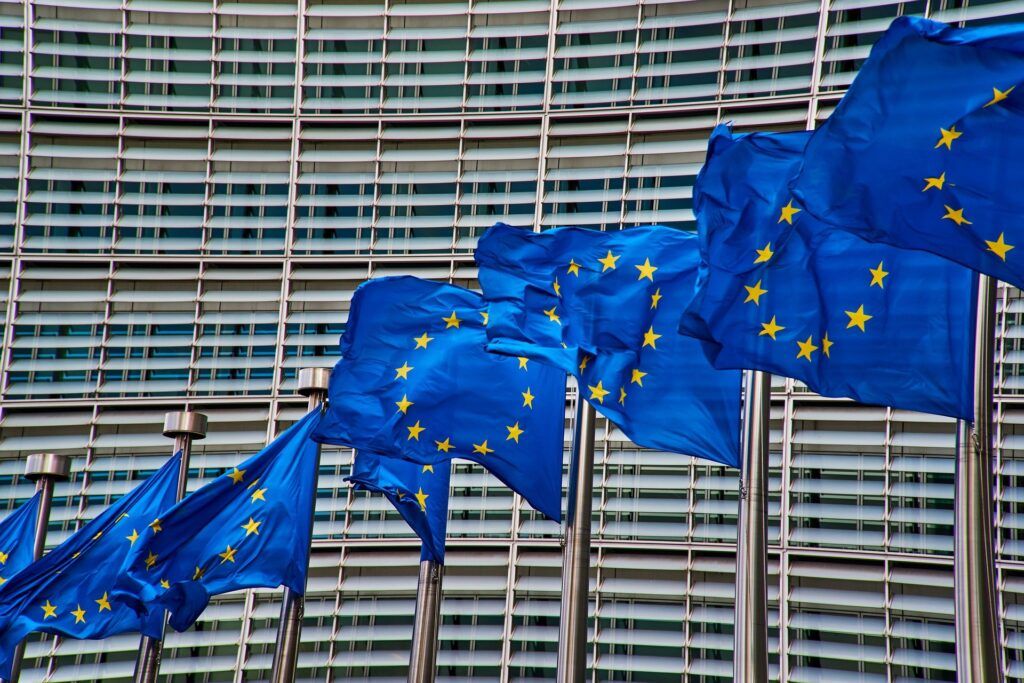
New tool to protect internal market against distortive foreign subsidies

MEPs also introduced an annual reporting obligation for the Commission.

Finally, negotiators defined more precisely the concept of distortive foreign subsidies and widened the tool kit for redressive measures.

Next steps

The compromise agreement now has to be approved by the Parliament and the Council. That process starts with a vote in the Committee on International Trade.

More information: Press release – Euorpean Parliament

Publicaciones relacionadas:

EU reaches political agreement on updated enforcement regulation New EU energy labels applicable from 1 March 2021 New VAT rules for e-commerce in the EU The EU wins against the US on Spanish black olives Negotiations on the future EU-Mexico trade agreement

EU News,  International Trade,  Market Agreement,  Competence,  Consejo Europeo,  EU,  European Council,  European Parliament,  foreign subsidies

“This is a space for debate. All comments, for or against publication, that are respectful and do not contain expressions that are discriminatory, defamatory or contrary to current legislation will be published”.

Reader Interactions

Leave a Reply Cancel reply

Your email address will not be published. Required fields are marked *

This site uses Akismet to reduce spam. Learn how your comment data is processed.

Primary Sidebar

Footer

  • CDE Almería
  • Biblioteca Nicolás Salmerón – Universidad de Almería
  • Planta: 1ª, Despacho: 1.05.0B.
  • Ctra. Sacramento s/n. Almería (Spain)
  • Teléfono: (+34) 950 015266

HOME
NEWS
DOCUMENTATION
EUROPE ON THE NET
ABOUT US

  • LEGAL NOTICE
  • PRIVACY POLICY
  • COOKIE POLICY
  • ACCESSIBILITY
  • SITEMAP

Copyright © 2026 CDE Almería · Creative Commons LicenseThis work is licensed under a Creative Commons Attribution-NonCommercial 4.0 International License.

<p>El Centro de Documentación Europea de la Universidad de Almería utiliza cookies propias y de terceros para facilitar al usuario la navegación en su página Web y el acceso a los distintos contenidos alojados en la misma. Asimismo, se utilizan cookies analíticas de terceros para medir la interacción de los usuarios con el sitio Web. Pinche el siguiente enlace si desea información sobre el uso de cookies y como deshabilitarlas. </p>

Politica de privacidad

El Centro de Documentación Europea de la Universidad de Almería utiliza cookies propias y de terceros para facilitar al usuario la navegación en su página Web y el acceso a los distintos contenidos alojados en la misma. Asimismo, se utilizan cookies analíticas de terceros para medir la interacción de los usuarios con el sitio Web. Pinche el siguiente enlace si desea información sobre el uso de cookies y como deshabilitarlas. <a href="/politica-de-cookies" rel="noopener" target="_blank">Más información</a>

Cookies estrictamente necesarias

Las cookies estrictamente necesarias tiene que activarse siempre para que podamos guardar tus preferencias de ajustes de cookies.

Básicamente la web no funcionara bien si no las activas.

Estas cookies son:

  • Comprobación de inicio de sesión.
  • Cookies de seguridad.
  • Aceptación/rechazo previo de cookies.
Cookies de terceros

Esta web utiliza Google Analytics, Google Tag Manager y Yandex Metrika para recopilar información anónima tal como el número de visitantes del sitio, o las páginas más populares.

Dejar estas cookies activas nos permite mejorar nuestra web.

Política de cookies

Pinche el siguiente enlace si desea información sobre el uso de cookies y como deshabilitarlas. Más información