
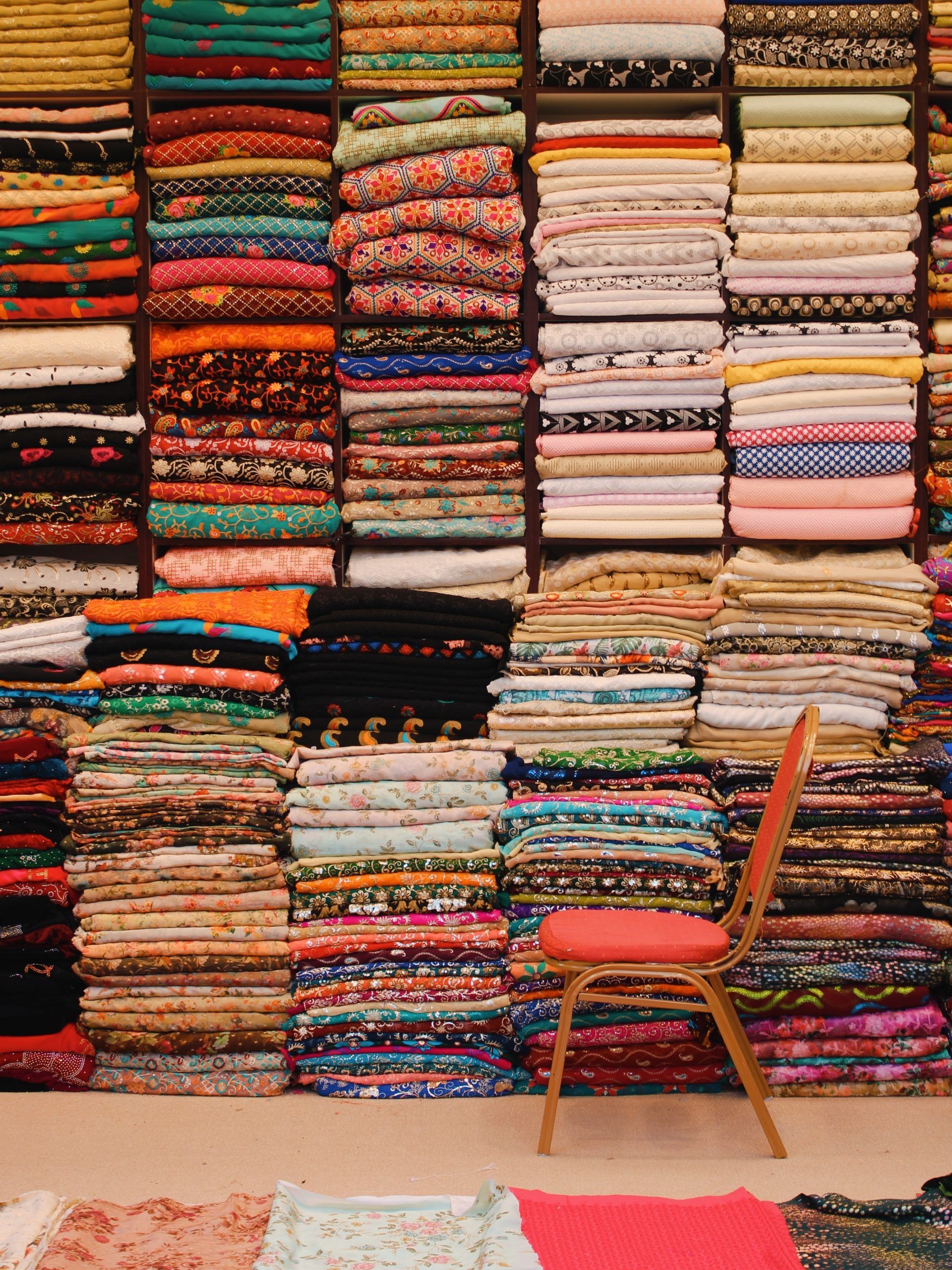
Discarded textiles in Europe, including used clothing and footwear, are an increasing waste and export problem. Rapidly increasing EU exports of used textiles — some of which is reused and some of which ends up in landfills — show that Europe faces a challenge in how to handle its own used textiles, according to a European Environment Agency (EEA) briefing published today.
The amount of used textiles exported from the European Union (EU) has tripled over the past two decades, and the amounts may increase further, according to the EEA briefing ‘
Europe faces major challenges in the management of used textiles, which are to be collected separately in the EU by 2025. As reuse and recycling capacities in Europe are limited, a large share of discarded and donated clothing and other textile products are exported to Africa and Asia. Common public perceptions that used clothing donations are always of use in those regions do not reflect the reality. Once exported, the fate of used textiles is often uncertain, according to the EEA briefing which looks at the patterns of and trends in EU exports of used textiles from 2000 to 2019.
According to analysed data from the United Nations, EU exports of textiles have increased and shifted from mainly African destinations to both Africa and Asia. The briefing also shows how some challenges related to these exports are being addressed in current and proposed EU policies. In the EU strategy on sustainable and circular textiles, published in March 2022, the need for addressing the challenges from exports is specifically mentioned.
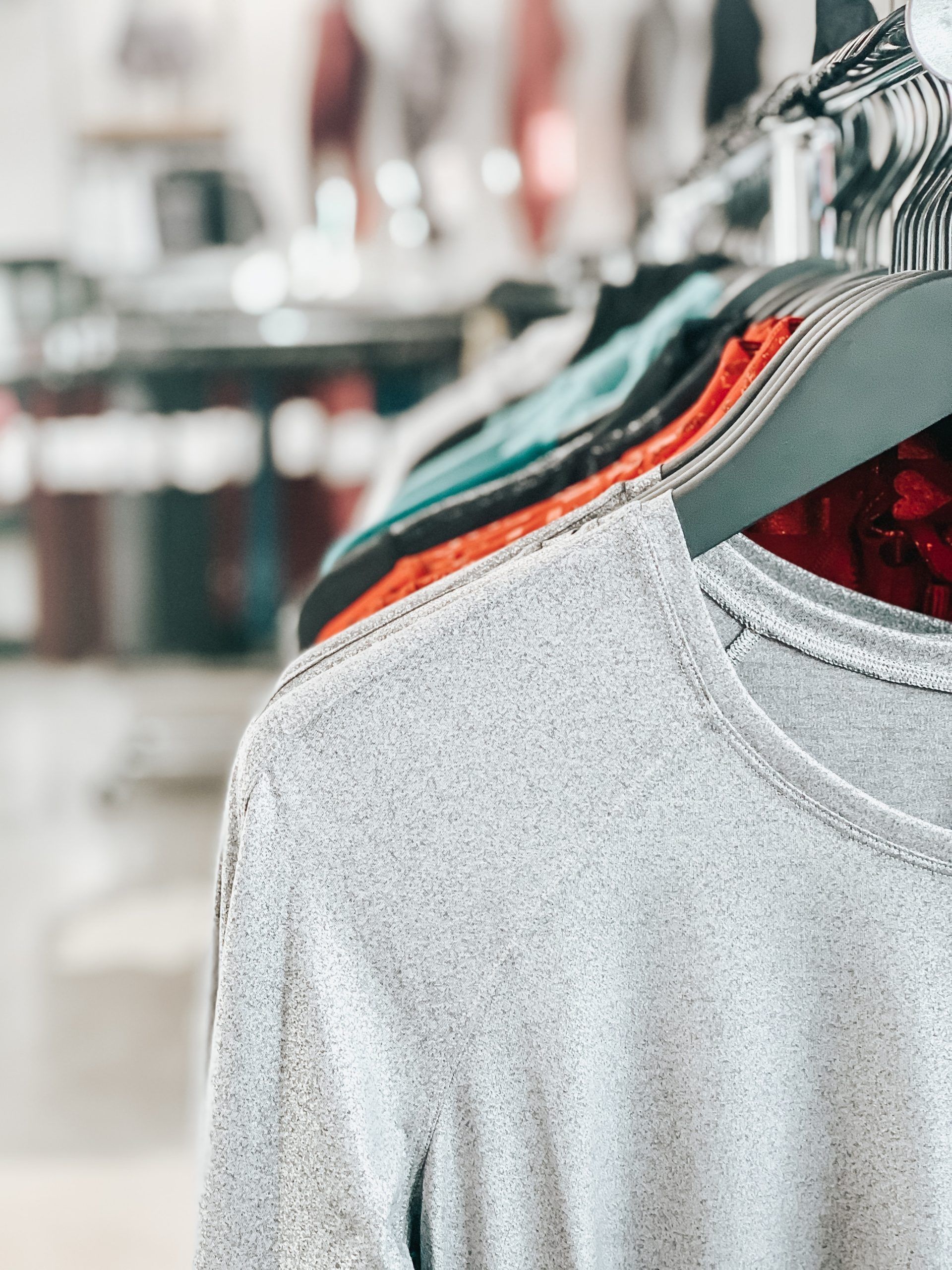
Refashion, the eco model for giving a second life to clothing |
Key findings:
- The amount of used textiles exported from the EU has tripled over the past two decades from slightly over 550,000 tonnes in 2000 to almost 1.7 million tonnes in 2019.
- The amount of used textiles exported in 2019 was on average 3.8 kilogrammes per person, or 25% of the approximately 15 kg of textiles consumed each year in the EU.
- In 2019, 46% of used textiles exported from the EU ended up in Africa. The textiles primarily go to local reuse as there is a demand for cheap, used clothes from Europe. What is not fit for reuse mostly ends up in open landfills and informal waste streams.
- In 2019, 41% of used textiles exported from the EU ended up in Asia. Most of these textiles are directed to dedicated economic zones where they are sorted and processed. The used textiles are then mostly downcycled into industrial rags or filling, or re-exported for recycling in other Asian countries or for reuse in Africa. Textiles that cannot be recycled or re-exported likely end up in landfills.
Bio-based fibre products: do they offer a ‘greener’ alternative?
Bio-based fibres that are used in clothing and other textile products are often regarded as more sustainable alternatives, but a new technical report by the EEA’s European Topic Centre of Circular Economy and Resource Use demonstrates that this picture requires some caution.
While bio-based fibres offer potential to steer away from synthetic textiles made from plastics (mainly derived from oil and gas), they cause other environmental pressures, including water and land use related to agricultural activities, deforestation and fibre processing. Moreover, the report highlights that their bio-based origin does not free them from environmental concerns related to microfibres, waste and recyclability.
More information
Publicaciones relacionadas:
 Building a Climate-Resilient Future – A new EU Strategy on Adaptation to Climate Change
 Independent national advisory bodies can reinforce the role of science in climate policy
 Average car emissions kept increasing in 2019, final data show
 Clear opportunities to decouple Europe’s waste generation from economic growth
 Council and Parliament agree to reduce limit values for the presence of persistent organic pollutants in waste
Leave a Reply