
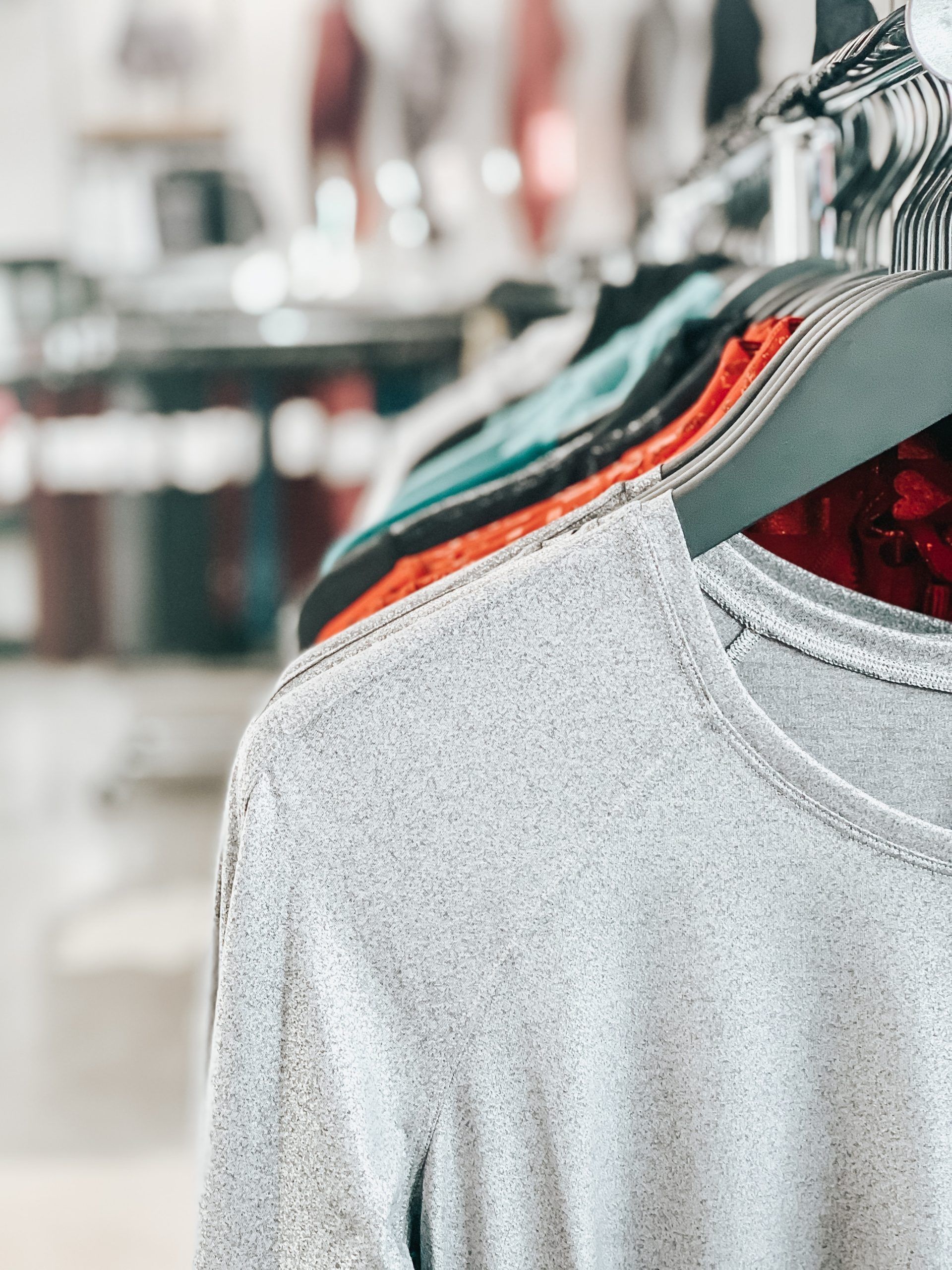
Fashion has always been a good indicator of people’s interests, from their favourite music to their sports teams and even their careers.
Haute couture fashion is understood as an art and a form of expression, where fashion shows in Milan, Paris or Cibeles attract the eyes of the world. In other words, clothing is the envelope of everyone’s lifestyle, and European institutions are trying to make the freedom to choose what to wear have less impact on the environment.
The growing trend has led shoppers to opt for lower quality but affordable clothing.
Impact on the textile industry
Textile production is responsible for water pollution and the generation of gases that are harmful to the atmosphere. According to the European Parliament, the production of one cotton T-shirt requires 2,700 litres of water, which corresponds to the average water consumption of one person in two and a half years.
The production of clothing requires the use of products such as dyes, which contribute to 20% of the world’s drinking water pollution. In addition, in the process, microfibres can be released from clothing and reach the sea, where they are eventually consumed by fish, affecting marine ecosystems.
Change in consumption
The fact that fashion prices, in some cases, are becoming lower and lower, makes it possible to renew clothes more often. It is easy to find cheaper clothes now than before because of mass production and the cheapening of the various manufacturing processes, combined with improved transport and globalisation.
This faster exchange of goods facilitates access to more markets in all parts of the world, thanks to the rise of online trade. Some of these markets offer prices that may even be below costs in European countries, but whose production standards also do not comply with regulations.
According to data from the same study, Europeans’ consumption has increased by up to 40% since 1996 and although much of this waste is reused, most of it ends up in landfill sites with no further use, sometimes even becoming a problem for governments who don’t know how or don’t have the resources to manage this waste.
But increased environmental awareness among citizens indicates that the trend is now towards buying and wearing recycled clothing, a practice that is becoming increasingly common in European countries.
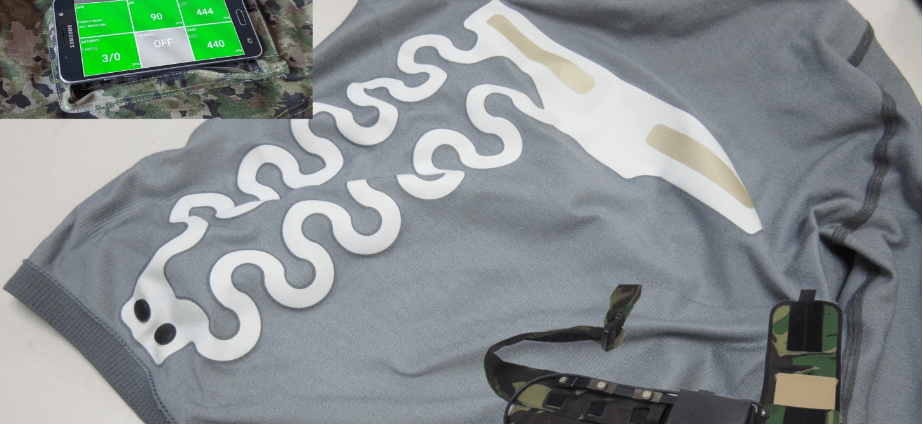
EDA project aims for multifunctional smart textiles for defence |
RESet The Trend, reset the trend
The European #ReFashionNow project understands the importance of clothes in our lives, whether as a means to avoid the sun, rain or cold and as a way to identify ourselves, but why throw them away and not give them a second chance?
The environmental cost of manufacturing clothes can be easily combated: by avoiding unnecessary production. The textile sector is the fourth biggest impact on the environment and climate change after food, housing and transport.
In Europe, each person throws away eleven kilos of clothing every year, which means that around six million tonnes of clothing ends up in landfill and only one percent of these textiles are recycled into new garments.
The European Commission’s #ReFashionNow campaign urges people to avoid waste and fight for a better planet by raising awareness. You play an important role in this: upload a photo to Instagram with the ReSet the Trend Filter and you will become a role model, a citizen committed to the environment.
In addition, this project aims to combat the negative effects of the textile industry with ideas such as renting clothes that we can only wear on a special occasion, getting creative with clothes we already own but don’t like, buying organic products or those with manufacturing defects, sharing with friends or donating clothes you don’t wear to charities. Here are all the #ReFashionNow tips.
Refashion, the eco-model and another commitment to the circular economy
The fight against the waste of materials and products has reached the European Union, the precursor of the Refashion project, whose missions are: firstly, to raise awareness about the consumption of clothes, the fleeting use of garments and their passing through our lives with the aim of avoiding it. And, on the other hand, to give a second use to these garments.
The aim is to achieve an eco model, seeking sustainability, being more respectful of the environment and promoting the circular economy. The circular economy promotes recycling and second and even third uses of products that have already passed through our hands: from technological devices, to glass, plastics, paper, wood or clothing.
This recycling promoting the circular economy proposes to improve the environment in which we live, the climate (in the relentless fight of European institutions against climate change), for our health and recycling, one of the strengths of the 2030 Strategy. This recycling will also aim to avoid the use of raw materials (which due to inflation have reached higher than normal prices).
On the occasion of this proposal, the European Union itself held the “Refashion Day” on 4 October, which, through debates and meetings, brought together textile workers, researchers and members of the European institutions to look for possible solutions in the textile sector.
As you can see, Europe joins #ReFashionNow and moves to turn the current situation of the textile market into a more sustainable and environmentally better one, but, for that, it is necessary a change in consumption habits and recycling policies that promote that the best way to recycle is to avoid this same consumption.
More information
European Commission – Representation in Spain
Publicaciones relacionadas:
 Circular economy: definition, importance and benefits
 Plastic waste and recycling in the EU: facts and figures
 Single European Sky: lowering emissions and reducing delays
 EU Climate Law: MEPs confirm deal on climate neutrality by 2050
 Taxonomy: MEPs object to Commission’s plan to include gas and nuclear activities
Leave a Reply