• Skip to primary navigation
  • Skip to main content
  • Skip to primary sidebar
  • Skip to footer
  • Bluesky
  • Facebook
  • Instagram
  • Twitter
  • YouTube
CDE Almería – Centro de Documentación Europea – Universidad de Almería

CDE Almería - Centro de Documentación Europea - Universidad de Almería

Centro de Documentación Europea de la Universidad de Almería

  • HOME
  • WHAT´S ON
    • EU NEWS
    • Activities
    • EU Calls and Awards
    • Radio Program «Europe with You»
  • DOCUMENTATION
    • EU Media Collection
      • Web Space
      • MEDIATHEQUE REPOSITORY
  • Europe on the net
    • Institutions
    • EU Representation in Spain
    • European information network of Andalusia
  • ABOUT US
    • Presentation
    • Services
    • People
    • Contact
  • Spanish
  • English

Clear opportunities to decouple Europe’s waste generation from economic growth

Inicio » Noticias UE » Environmental Affairs » Clear opportunities to decouple Europe’s waste generation from economic growth

5 de January de 2022

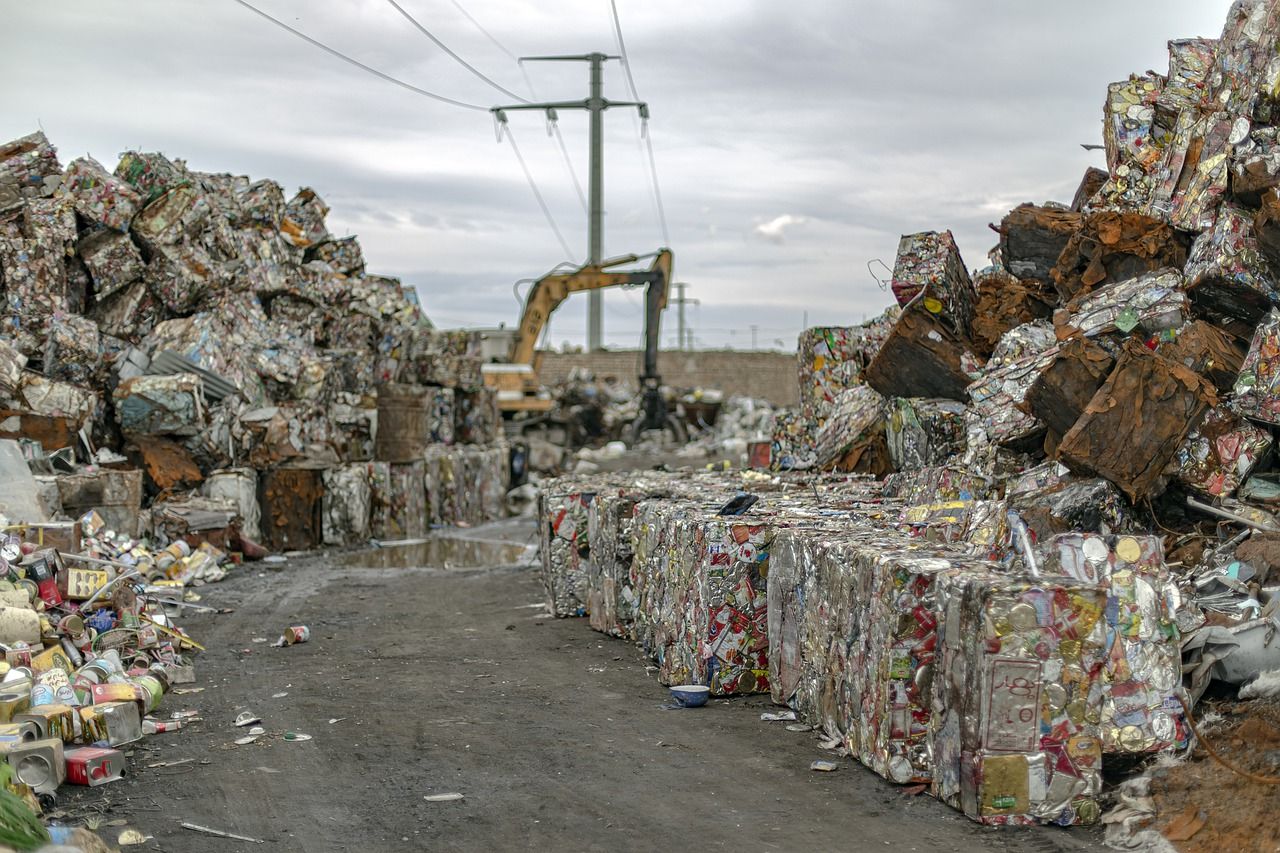
In most European countries and in the EU as a whole, waste generation is growing but at a slower pace than the economy. However, there are no signs that the overall objective of reducing the total generation of waste is close to being achieved, according to a European Environment Agency report published today. The report’s findings highlight opportunities to more effectively prevent waste, with textiles in the spotlight.

Preventing waste is a key part of Europe’s strategy in shifting to a resource-efficient and climate-neutral circular economy. Waste generation across Europe increased by 5.2% between 2014 and 2018, while GDP increased by 14.8 % in the EU according to the EEA report ‘Progress towards preventing waste in Europe — the case of textile waste prevention.’ The same data trends also show that the adoption of the first waste prevention programmes by countries, applicable in most EU countries from 2013 or earlier, was insufficient to decrease the amount of waste generated.

The analysis shows that waste generation is still very dependent on developments in the economy, but, overall, the EU has been able to achieve a waste generation growth lower than the economic growth, or a so-called relative decoupling. Still, more needs to be done to ensure that waste decreases in real terms in a growing economy. The adoption of concrete targets — a strong driver of policy making — would help consolidate prevention policy at EU and national level.

The EEA analysis looked at national waste prevention programmes and specifically waste streams in focus, indicators, targets, and measures to prevent waste. The review revealed that, as of this year, 10 out of the 32 countries examined do not have a waste prevention programme in place, as required by EU legislation.

Textile waste in focus

Textile waste would benefit greatly from improved measures to prevent waste , as this is a fast-growing, environmentally impactful waste stream associated with unsustainable consumption patterns. The average European generates approximately 11 kg of textile waste per year.

Preventing textile waste has great potential, mainly through reducing textile consumption, eco-design and ultimately reuse. To facilitate this, emphasis should be put on product design to promote durable and long-lasting materials, while support should be given to repair (e.g. with use of tax breaks) and reuse (e.g. through regulations).

More information

Press release – European Environment Agency

Publicaciones relacionadas:

Quality of Europe’s bathing waters remains high, latest annual assessment finds Circular economy: definition, importance and benefits Building a Climate-Resilient Future – A new EU Strategy on Adaptation to Climate Change Global emissions cuts in line with Paris Agreement mean near-term benefits for Earth Independent national advisory bodies can reinforce the role of science in climate policy


Environmental Affairs,  EU News Economy,  Europe,  growth,  waste

“This is a space for debate. All comments, for or against publication, that are respectful and do not contain expressions that are discriminatory, defamatory or contrary to current legislation will be published”.

Reader Interactions

Leave a Reply Cancel reply

Your email address will not be published. Required fields are marked *

This site uses Akismet to reduce spam. Learn how your comment data is processed.

Primary Sidebar

Footer

  • CDE Almería
  • Biblioteca Nicolás Salmerón – Universidad de Almería
  • Planta: 1ª, Despacho: 1.05.0B.
  • Ctra. Sacramento s/n. Almería (Spain)
  • Teléfono: (+34) 950 015266

HOME
NEWS
DOCUMENTATION
EUROPE ON THE NET
ABOUT US

  • LEGAL NOTICE
  • PRIVACY POLICY
  • COOKIE POLICY
  • ACCESSIBILITY
  • SITEMAP

Copyright © 2026 CDE Almería · Creative Commons LicenseThis work is licensed under a Creative Commons Attribution-NonCommercial 4.0 International License.

<p>El Centro de Documentación Europea de la Universidad de Almería utiliza cookies propias y de terceros para facilitar al usuario la navegación en su página Web y el acceso a los distintos contenidos alojados en la misma. Asimismo, se utilizan cookies analíticas de terceros para medir la interacción de los usuarios con el sitio Web. Pinche el siguiente enlace si desea información sobre el uso de cookies y como deshabilitarlas. </p>

Politica de privacidad

El Centro de Documentación Europea de la Universidad de Almería utiliza cookies propias y de terceros para facilitar al usuario la navegación en su página Web y el acceso a los distintos contenidos alojados en la misma. Asimismo, se utilizan cookies analíticas de terceros para medir la interacción de los usuarios con el sitio Web. Pinche el siguiente enlace si desea información sobre el uso de cookies y como deshabilitarlas. <a href="/politica-de-cookies" rel="noopener" target="_blank">Más información</a>

Cookies estrictamente necesarias

Las cookies estrictamente necesarias tiene que activarse siempre para que podamos guardar tus preferencias de ajustes de cookies.

Básicamente la web no funcionara bien si no las activas.

Estas cookies son:

  • Comprobación de inicio de sesión.
  • Cookies de seguridad.
  • Aceptación/rechazo previo de cookies.
Cookies de terceros

Esta web utiliza Google Analytics, Google Tag Manager y Yandex Metrika para recopilar información anónima tal como el número de visitantes del sitio, o las páginas más populares.

Dejar estas cookies activas nos permite mejorar nuestra web.

Política de cookies

Pinche el siguiente enlace si desea información sobre el uso de cookies y como deshabilitarlas. Más información