• Skip to primary navigation
  • Skip to main content
  • Skip to primary sidebar
  • Skip to footer
  • Bluesky
  • Facebook
  • Instagram
  • Twitter
  • YouTube
CDE Almería – Centro de Documentación Europea – Universidad de Almería

CDE Almería - Centro de Documentación Europea - Universidad de Almería

Centro de Documentación Europea de la Universidad de Almería

  • HOME
  • WHAT´S ON
    • EU NEWS
    • Activities
    • EU Calls and Awards
    • Radio Program «Europe with You»
  • DOCUMENTATION
    • EU Media Collection
      • Web Space
      • MEDIATHEQUE REPOSITORY
  • Europe on the net
    • Institutions
    • EU Representation in Spain
    • European information network of Andalusia
  • ABOUT US
    • Presentation
    • Services
    • People
    • Contact
  • Spanish
  • English

The number of deaths from cancer dicreases in the EU

Inicio » EU News » The number of deaths from cancer dicreases in the EU

5 de February de 2020

The World Cancer Day aims to save millions of preventable deaths each year by raising awareness and education about cancer.
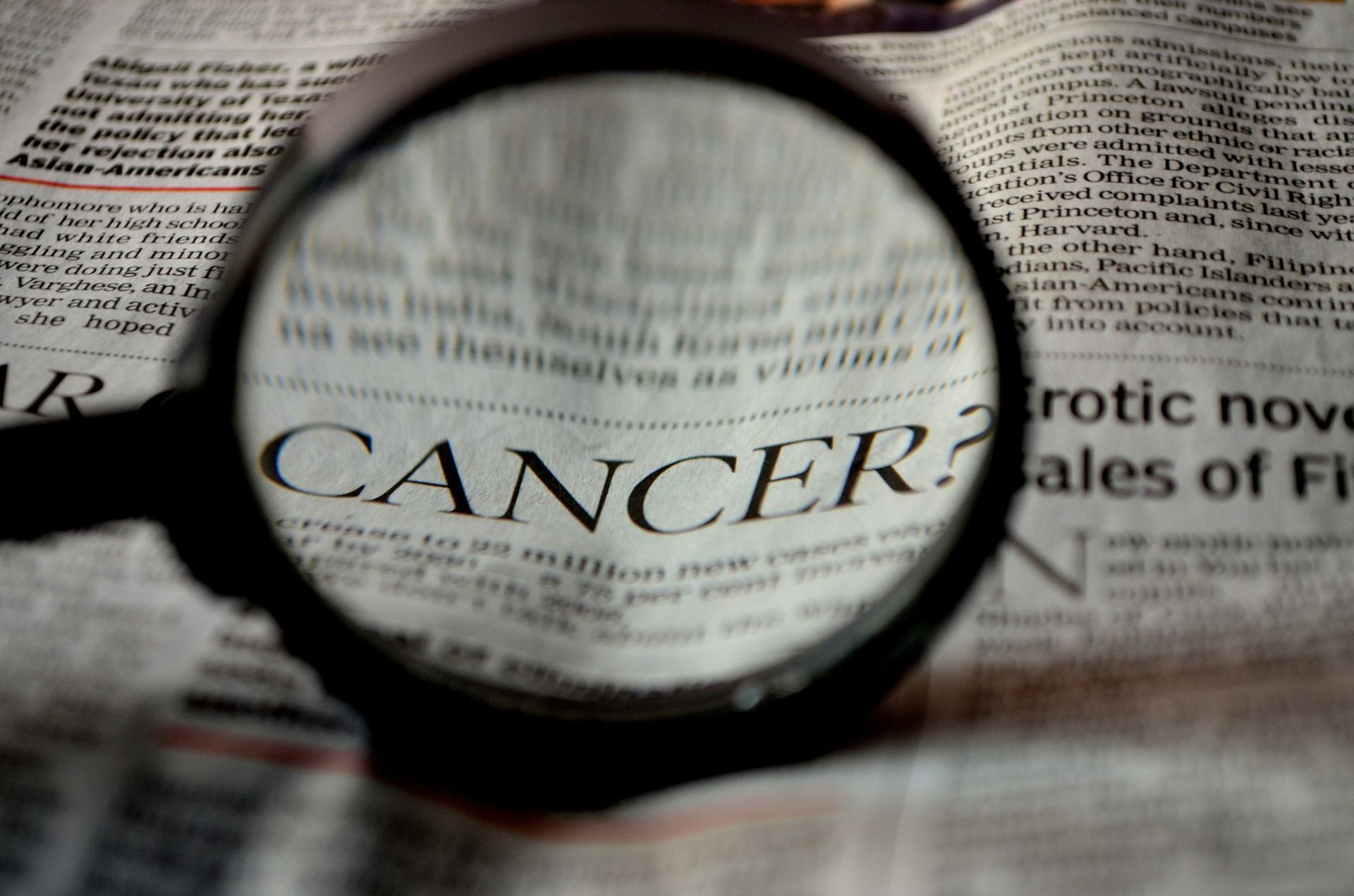
Despite the fact that the EU leads the fight against breast cancer, and having developed an Imminent anti-metastatic vaccine for prostate cancer and a minimally-invasive prognostic device for breast cancer among the others, within the EU’s fight against cancer, almost 1.2 million persons died from cancer in the European Union in 2016. Cancer was responsible for over one quarter (26%) of all deaths recorded in the EU.

Men (656 100 deaths due to cancer) were more affected than women (511 600). Cancer caused 29% of deaths of men and around 23% of deaths of women in 2016. Fatal cancers caused 288 900 deaths among people younger than 65 years in the EU, corresponding to 37% of all deaths in this age group, while less than one quarter (878 800 deaths, 23%) of all deaths among those aged 65 and above.

Main fatal cancers

Lung cancer claimed 239 000 lives in the EU in 2016, accounting for one fifth (20%) of all deaths due to cancer. Colorectal cancer (139 700 deaths, 12% of all deaths due to cancer), breast cancer (85 300, 7%), pancreatic cancers (78 700, 7%) and prostate cancer (65 200, 6%) were also frequent causes of death.

  • The main cause of male deaths from cancer was lung cancer, being responsible for one quarter (165 000 deaths, 25%) of all male deaths from cancer. This was far more than colorectal cancer (77 400, 12%) and prostate cancer (65 200, 10%).
  • In contrast, the type of cancer which caused more death among women in the EU in 2016 was breast cancer (84 300 deaths, 16% of all female deaths due to cancer), lung cancer (74 100, 14%) and colorectal cancer (62 300, 12%).

Death rate from cancer in the EU

  • Across the European Union, there were 257 deaths from cancer per 100 000 in 2016. With 345 deaths per 100 000 inhabitants, Hungary recorded the highest age-standardised death rate from cancer among the EU Member States. High death rates from cancer were also registered in Croatia (334), Slovakia (315) and Slovenia (309).
  • In contrast, low death rates from cancer were recorded in a number of Mediterranean and Nordic countries. The lowest rate was recorded in Cyprus with 194 deaths from cancer per 100 000 inhabitants, followed by Finland (220), Malta (221), Sweden (229) and Spain (230).
  • Over the period from 2011 to 2016, the age-standardised death rate has fallen slowly but steadily, from 266 deaths from cancer per 100 000 inhabitants in 2011 to 257 in 2016.

More information

Full news

How the EU is fighting cancer news

Eurostat infographics

Fighting cancer through research. How the EU is helping

Breast cancer world day

Publicaciones relacionadas:

New intraoperative probe for breast cancer tissue Europe strengthens patient involvement in cancer research Breast cancer predisposition genes exposed Mini robots to create patterns inspired by nature Brote verde sale de la tierra trabajadaCommission increases national support to farmers up to €25,000

EU News Cancer

“This is a space for debate. All comments, for or against publication, that are respectful and do not contain expressions that are discriminatory, defamatory or contrary to current legislation will be published”.

Reader Interactions

Leave a Reply Cancel reply

Your email address will not be published. Required fields are marked *

This site uses Akismet to reduce spam. Learn how your comment data is processed.

Primary Sidebar

Footer

  • CDE Almería
  • Biblioteca Nicolás Salmerón – Universidad de Almería
  • Planta: 1ª, Despacho: 1.05.0B.
  • Ctra. Sacramento s/n. Almería (Spain)
  • Teléfono: (+34) 950 015266

HOME
NEWS
DOCUMENTATION
EUROPE ON THE NET
ABOUT US

  • LEGAL NOTICE
  • PRIVACY POLICY
  • COOKIE POLICY
  • ACCESSIBILITY
  • SITEMAP

Copyright © 2026 CDE Almería · Creative Commons LicenseThis work is licensed under a Creative Commons Attribution-NonCommercial 4.0 International License.

<p>El Centro de Documentación Europea de la Universidad de Almería utiliza cookies propias y de terceros para facilitar al usuario la navegación en su página Web y el acceso a los distintos contenidos alojados en la misma. Asimismo, se utilizan cookies analíticas de terceros para medir la interacción de los usuarios con el sitio Web. Pinche el siguiente enlace si desea información sobre el uso de cookies y como deshabilitarlas. </p>

Politica de privacidad

El Centro de Documentación Europea de la Universidad de Almería utiliza cookies propias y de terceros para facilitar al usuario la navegación en su página Web y el acceso a los distintos contenidos alojados en la misma. Asimismo, se utilizan cookies analíticas de terceros para medir la interacción de los usuarios con el sitio Web. Pinche el siguiente enlace si desea información sobre el uso de cookies y como deshabilitarlas. <a href="/politica-de-cookies" rel="noopener" target="_blank">Más información</a>

Cookies estrictamente necesarias

Las cookies estrictamente necesarias tiene que activarse siempre para que podamos guardar tus preferencias de ajustes de cookies.

Básicamente la web no funcionara bien si no las activas.

Estas cookies son:

  • Comprobación de inicio de sesión.
  • Cookies de seguridad.
  • Aceptación/rechazo previo de cookies.
Cookies de terceros

Esta web utiliza Google Analytics, Google Tag Manager y Yandex Metrika para recopilar información anónima tal como el número de visitantes del sitio, o las páginas más populares.

Dejar estas cookies activas nos permite mejorar nuestra web.

Política de cookies

Pinche el siguiente enlace si desea información sobre el uso de cookies y como deshabilitarlas. Más información