• Skip to primary navigation
  • Skip to main content
  • Skip to primary sidebar
  • Skip to footer
  • Bluesky
  • Facebook
  • Instagram
  • Twitter
  • YouTube
CDE Almería – Centro de Documentación Europea – Universidad de Almería

CDE Almería - Centro de Documentación Europea - Universidad de Almería

Centro de Documentación Europea de la Universidad de Almería

  • HOME
  • WHAT´S ON
    • EU NEWS
    • Activities
    • EU Calls and Awards
    • Radio Program «Europe with You»
  • DOCUMENTATION
    • EU Media Collection
      • Web Space
      • MEDIATHEQUE REPOSITORY
  • Europe on the net
    • Institutions
    • EU Representation in Spain
    • European information network of Andalusia
  • ABOUT US
    • Presentation
    • Services
    • People
    • Contact
  • Spanish
  • English

The European Parliament will vote today on the European Commission’s proposed pay transparency rules

Inicio » Noticias UE » Mercado » Economy and Finance » The European Parliament will vote today on the European Commission’s proposed pay transparency rules

30 de March de 2023

The European Parliament will vote on the Commission’s proposal on pay transparency today. The new Directive intends to ensure that equal pay for men and women is enforced effectively, to increase transparency in pay setting, and to promote access to justice for those who have experienced pay discrimination. The Commission issued the following statements before of the vote:

President Ursula von der Leyen said: “We work for Europe to remain a trailblazer in women’s rights. Equal work deserves equal pay. And for equal pay, you need transparency. Women must know whether their employers treat them fairly. And when this is not the case, they must have the power to fight back and get what they deserve.”

Vice-President for Values and Transparency, Věra Jourová said: “Women must know whether their employers treat and value them equally. For this to happen, we need more transparency on pay levels, starting already at job interviews. The new pay transparency rules will be a game changer for women in Europe.”

Commissioner for Equality Helena Dalli said: “With the new rules in place, employers will have to explain the pay level for a new job right from the beginning. It cannot depend on the pay history of an applicant. Those that were discriminated should get their money back. It is a step towards a Europe, where women in all their diversity can thrive equally.” 
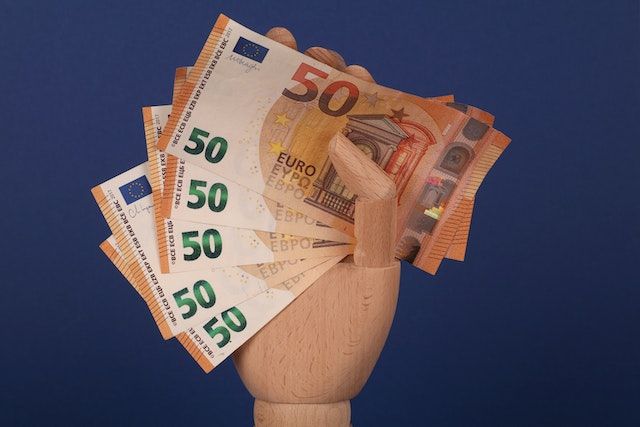
Council adopts a Recommendation on an adequate minimum income

Next Steps

Once finally adopted by the Council of the EU, signed and published in the Official Journal, the Directive will enter into force 20 days after publication. Member States will have three years to transpose its provisions into national law.

Background

The Commission’s proposal on pay transparency, adopted on 4 March 2021, introduces measures to ensure that women and men in the EU receive equal pay for equal work and work of equal value.

Under these new rules, employers must provide information about the initial pay level or its range in the job vacancy notice or before the job interview. Employers need to make information easily accessible on the criteria used to determine pay, pay levels and pay progression. Workers are entitled to request information on their individual pay level and on the average pay levels, broken down by gender, for categories of workers doing the same work or work of equal value. Employers must inform workers of this right annually. Employers with at least 100 workers are required to undergo reporting on the gender pay gap, as well as joint pay assessment where reporting reveals serious indications of pay inequalities. The Directive also includes measures to ensure better access to justice for victims of pay discrimination.

The right to equal pay for women and men for equal work or work of equal value has been a founding principle of the European Union since the Treaty of Rome in 1957. The requirement to ensure equal pay is set out in Article 157 TFEU and in Directive  2006/54/EC  on the principle of equal opportunities and equal treatment of men and women in matters of employment and occupation.

In March 2014, the European Commission adopted a Recommendation on strengthening the principle of equal pay between men and women through transparency. Despite this, the effective implementation and enforcement of this principle in practice remained a major challenge in the European Union.

President von der Leyen announced binding pay transparency measures as one of her political priorities for this Commission. In June 2019, the Council called on the Commission to develop concrete measures to increase pay transparency. In March 2020, the Commission published its Gender Equality Strategy 2020-2025 setting out actions to close the gender pay gap, followed a few months later by the 2021-2025 Action Plan on Gender Equality and Women’s Empowerment in External Action.
More information

European Commission

Publicaciones relacionadas:

Will the Spanish economy be boosted after Covid-19? MEPs want more effective measures to respond to rising prices New EU industrial strategy: the challenges to tackle Cryptocurrency dangers and the benefits of EU legislation EU budget for 2023: Council and Parliament reach agreement

Economy and Finance,  EU News,  Market European Parliament,  rules,  Salary,  statements,  transparency rules

“This is a space for debate. All comments, for or against publication, that are respectful and do not contain expressions that are discriminatory, defamatory or contrary to current legislation will be published”.

Reader Interactions

Leave a Reply Cancel reply

Your email address will not be published. Required fields are marked *

This site uses Akismet to reduce spam. Learn how your comment data is processed.

Primary Sidebar

Footer

  • CDE Almería
  • Biblioteca Nicolás Salmerón – Universidad de Almería
  • Planta: 1ª, Despacho: 1.05.0B.
  • Ctra. Sacramento s/n. Almería (Spain)
  • Teléfono: (+34) 950 015266

HOME
NEWS
DOCUMENTATION
EUROPE ON THE NET
ABOUT US

  • LEGAL NOTICE
  • PRIVACY POLICY
  • COOKIE POLICY
  • ACCESSIBILITY
  • SITEMAP

Copyright © 2026 CDE Almería · Creative Commons LicenseThis work is licensed under a Creative Commons Attribution-NonCommercial 4.0 International License.

<p>El Centro de Documentación Europea de la Universidad de Almería utiliza cookies propias y de terceros para facilitar al usuario la navegación en su página Web y el acceso a los distintos contenidos alojados en la misma. Asimismo, se utilizan cookies analíticas de terceros para medir la interacción de los usuarios con el sitio Web. Pinche el siguiente enlace si desea información sobre el uso de cookies y como deshabilitarlas. </p>

Politica de privacidad

El Centro de Documentación Europea de la Universidad de Almería utiliza cookies propias y de terceros para facilitar al usuario la navegación en su página Web y el acceso a los distintos contenidos alojados en la misma. Asimismo, se utilizan cookies analíticas de terceros para medir la interacción de los usuarios con el sitio Web. Pinche el siguiente enlace si desea información sobre el uso de cookies y como deshabilitarlas. <a href="/politica-de-cookies" rel="noopener" target="_blank">Más información</a>

Cookies estrictamente necesarias

Las cookies estrictamente necesarias tiene que activarse siempre para que podamos guardar tus preferencias de ajustes de cookies.

Básicamente la web no funcionara bien si no las activas.

Estas cookies son:

  • Comprobación de inicio de sesión.
  • Cookies de seguridad.
  • Aceptación/rechazo previo de cookies.
Cookies de terceros

Esta web utiliza Google Analytics, Google Tag Manager y Yandex Metrika para recopilar información anónima tal como el número de visitantes del sitio, o las páginas más populares.

Dejar estas cookies activas nos permite mejorar nuestra web.

Política de cookies

Pinche el siguiente enlace si desea información sobre el uso de cookies y como deshabilitarlas. Más información