• Skip to primary navigation
  • Skip to main content
  • Skip to primary sidebar
  • Skip to footer
  • Bluesky
  • Facebook
  • Instagram
  • Twitter
  • YouTube
CDE Almería – Centro de Documentación Europea – Universidad de Almería

CDE Almería - Centro de Documentación Europea - Universidad de Almería

Centro de Documentación Europea de la Universidad de Almería

  • HOME
  • WHAT´S ON
    • EU NEWS
    • Activities
    • EU Calls and Awards
    • Radio Program «Europe with You»
  • DOCUMENTATION
    • EU Media Collection
      • Web Space
      • MEDIATHEQUE REPOSITORY
  • Europe on the net
    • Institutions
    • EU Representation in Spain
    • European information network of Andalusia
  • ABOUT US
    • Presentation
    • Services
    • People
    • Contact
  • Spanish
  • English

The European Parliament is ready to negotiate new European legislation on trafficking in human beings

Inicio » EU News » Law » Legislation » The European Parliament is ready to negotiate new European legislation on trafficking in human beings

19 de October de 2023

Parliament adopted its mandate for negotiations with member states to revise rules on combating human trafficking, ahead of a first round of talks in November 2023.
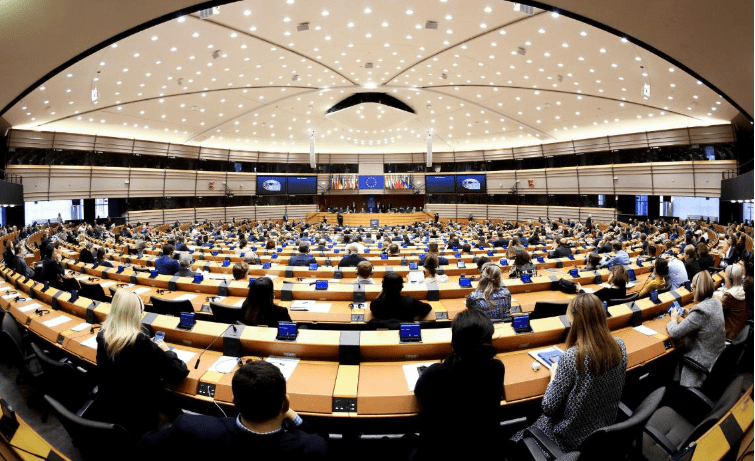
The mandate prepared by the Civil Liberties and Women’s Rights committees would expand the scope of the existing directive to include forced marriage, illegal adoption, surrogacy for the purposes of reproductive exploitation and better support for victims. MEPs also want to:

  • make sure that victims of trafficking who are also in need of international protection receive appropriate support and protection, and that their right to asylum is respected;
  • criminalise the use of services provided by a trafficking victim of an offence concerning trafficking in human beings;
  • introduce penalties for companies convicted of trafficking, for example excluding them from tendering processes and from public aid or subsidies;
  • ensure that victims are not prosecuted for criminal acts they were coerced into committing, and that they receive support regardless of whether they cooperate in investigations or not;
  • ensure support to victims using a gender-, disability- and child-sensitive approach and based on an intersectional approach;
  • guarantee the rights of persons with disabilities and appropriate support to unaccompanied children.

Parliament’s plenary approved the mandate for negotiations without a vote, in line with its rules of procedure.
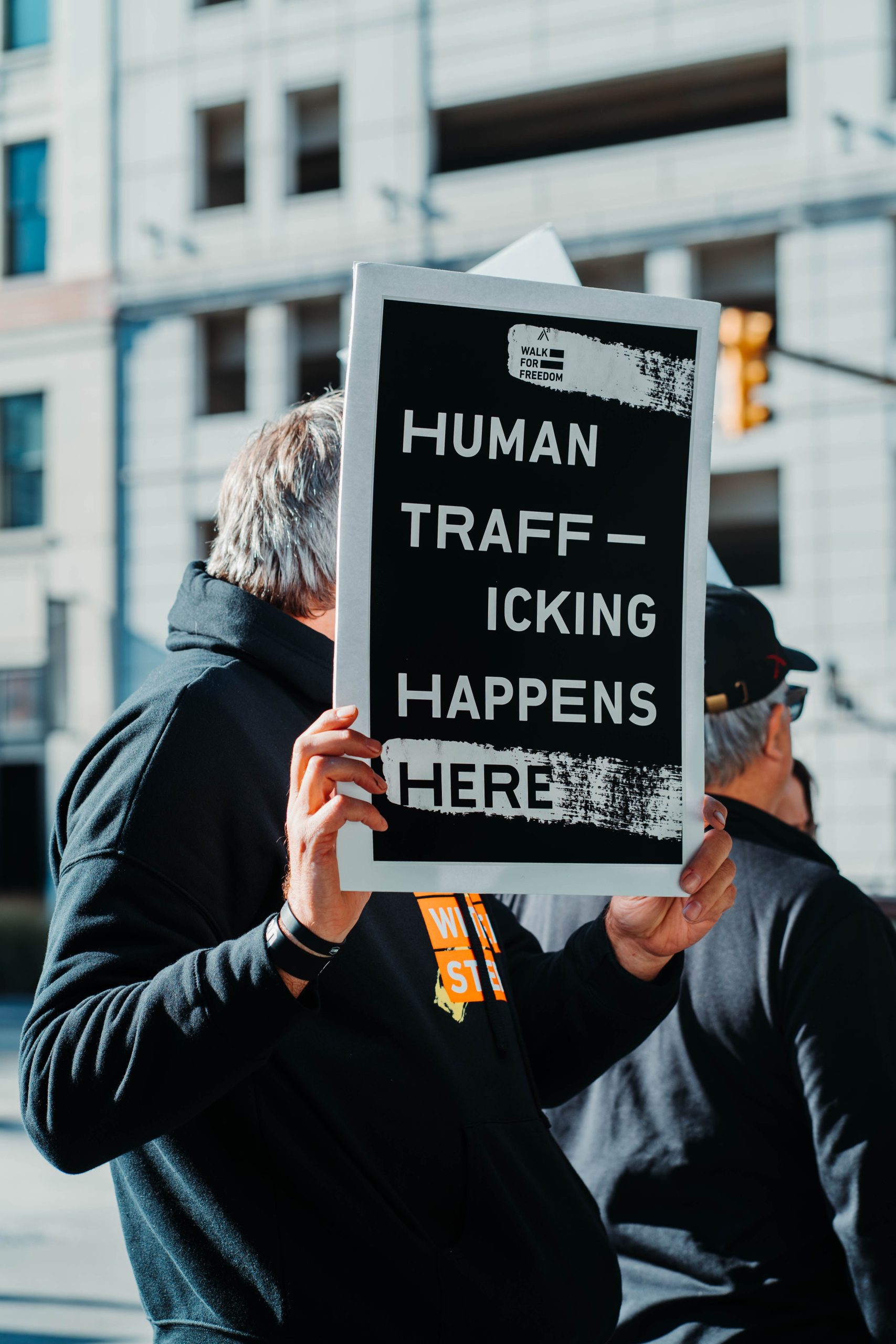
Trafficking in human beings: Commission proposes stronger rules to fight the evolving crime

Next steps

Parliament will start negotiations with Council in November. Member states already agreed on their position.

More information: European Parliament

Publicaciones relacionadas:

estadio de futbolStop illegal live sports streaming, urge MEPs Parliament calls for justice and reforms in Malta Russia-EU tensions and Parliament’s views LGBTIQ rights in Hungary: debate with Council and Commission Final vote on the Digital Services Act and the Digital Markets Act

EU News,  Law,  Legislation European Parliament,  MEPs,  new EU rules,  Trafficking in human beings

“This is a space for debate. All comments, for or against publication, that are respectful and do not contain expressions that are discriminatory, defamatory or contrary to current legislation will be published”.

Reader Interactions

Leave a Reply Cancel reply

Your email address will not be published. Required fields are marked *

This site uses Akismet to reduce spam. Learn how your comment data is processed.

Primary Sidebar

Footer

  • CDE Almería
  • Biblioteca Nicolás Salmerón – Universidad de Almería
  • Planta: 1ª, Despacho: 1.05.0B.
  • Ctra. Sacramento s/n. Almería (Spain)
  • Teléfono: (+34) 950 015266

HOME
NEWS
DOCUMENTATION
EUROPE ON THE NET
ABOUT US

  • LEGAL NOTICE
  • PRIVACY POLICY
  • COOKIE POLICY
  • ACCESSIBILITY
  • SITEMAP

Copyright © 2026 CDE Almería · Creative Commons LicenseThis work is licensed under a Creative Commons Attribution-NonCommercial 4.0 International License.

<p>El Centro de Documentación Europea de la Universidad de Almería utiliza cookies propias y de terceros para facilitar al usuario la navegación en su página Web y el acceso a los distintos contenidos alojados en la misma. Asimismo, se utilizan cookies analíticas de terceros para medir la interacción de los usuarios con el sitio Web. Pinche el siguiente enlace si desea información sobre el uso de cookies y como deshabilitarlas. </p>

Politica de privacidad

El Centro de Documentación Europea de la Universidad de Almería utiliza cookies propias y de terceros para facilitar al usuario la navegación en su página Web y el acceso a los distintos contenidos alojados en la misma. Asimismo, se utilizan cookies analíticas de terceros para medir la interacción de los usuarios con el sitio Web. Pinche el siguiente enlace si desea información sobre el uso de cookies y como deshabilitarlas. <a href="/politica-de-cookies" rel="noopener" target="_blank">Más información</a>

Cookies estrictamente necesarias

Las cookies estrictamente necesarias tiene que activarse siempre para que podamos guardar tus preferencias de ajustes de cookies.

Básicamente la web no funcionara bien si no las activas.

Estas cookies son:

  • Comprobación de inicio de sesión.
  • Cookies de seguridad.
  • Aceptación/rechazo previo de cookies.
Cookies de terceros

Esta web utiliza Google Analytics, Google Tag Manager y Yandex Metrika para recopilar información anónima tal como el número de visitantes del sitio, o las páginas más populares.

Dejar estas cookies activas nos permite mejorar nuestra web.

Política de cookies

Pinche el siguiente enlace si desea información sobre el uso de cookies y como deshabilitarlas. Más información