
The Commission proposes to strengthen the rules that prevent and combat trafficking in human beings. Every year over 7000 people become victims of human trafficking in the EU.
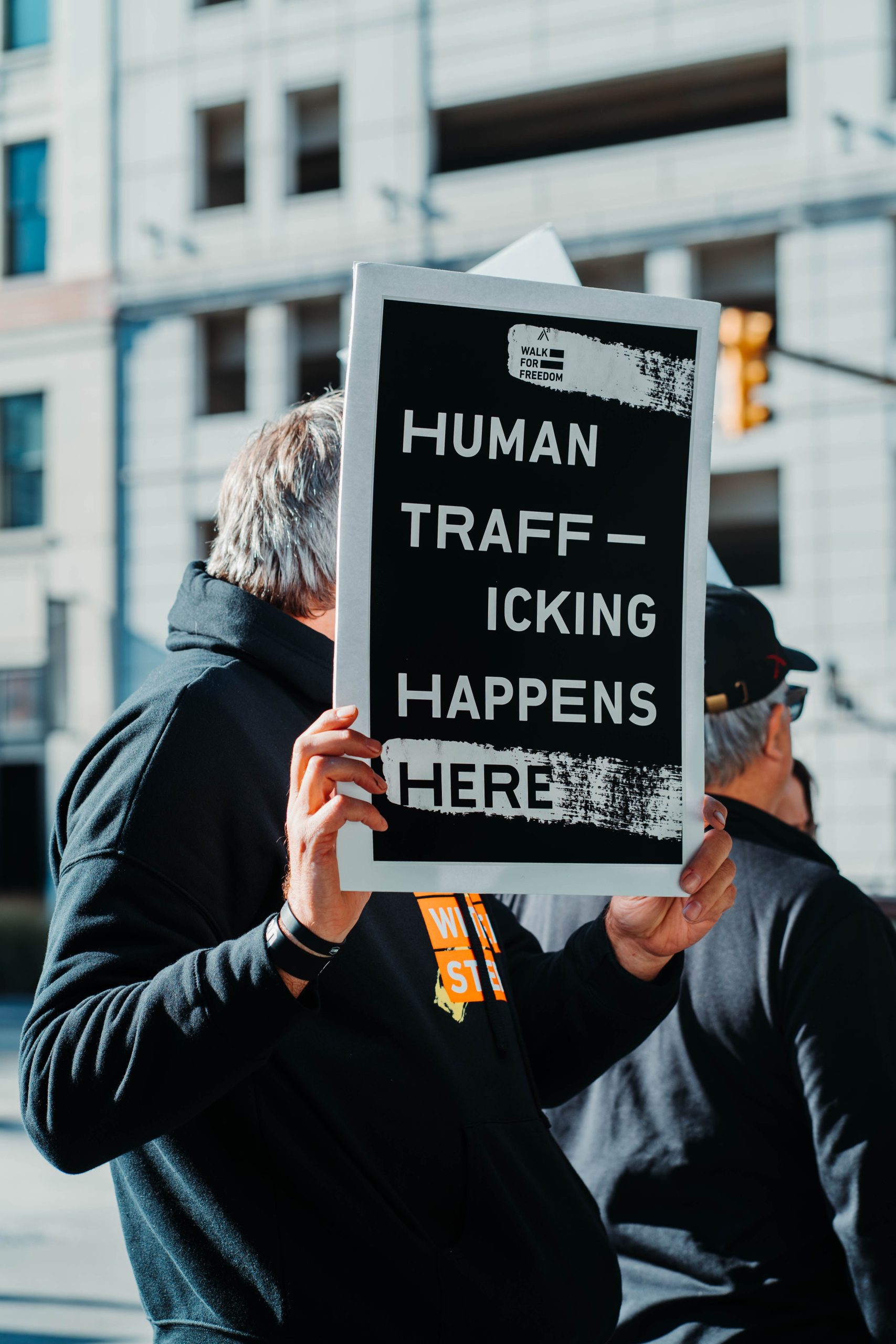
That figure can be expected to be much higher as many victims remain undetected. The yearly cost of trafficking in human beings in the EU reaches EUR 2.7 billion. The majority of victims are women and girls, but the share of male victims is also on the rise particularly for labour exploitation.
Forms of exploitation have evolved in recent years, with the crime increasingly taking an online dimension. This calls for new action at EU level, as traffickers benefit from opportunities to recruit, control, transport and exploit victims, as well as move profits and reach out to users in the EU and beyond.
The updated rules will provide stronger tools for law enforcement and judicial authorities to investigate and prosecute new forms of exploitation. For example, by making sure that knowingly using the services provided by victims of trafficking constitutes a criminal offence. The Commission’s proposal put forward mandatory sanctions against companies for trafficking offences and not only individuals. It also aims to improve procedures for early identification and support for victims in Member States, particularly through the creation of a European Referral Mechanism.
In particular, the updated rules will include:
- Forced marriage and illegal adoption among the types of exploitation the definition of the Directive covers. This will require Member States to criminalise such conduct in their national criminal law as human trafficking;
- Explicit reference to human trafficking offences committed or facilitated through information and communication technologies, including internet and social media;
- Mandatory sanctions for legal persons held accountable for trafficking offences. This covers excluding them from public benefits or by temporarily or permanently closing the establishments where the trafficking offence occurred;
- Formal National Referral Mechanisms to improve early identification and referral for assistance and support for victims, which will create the basis for a European Referral Mechanism by the appointment of national focal points;
- Stepping up demand reduction by making it a criminal offence for people who knowingly use services provided by victims of trafficking;
- EU-wide annual data collection on trafficking in human beings to be published by Eurostat.

EU working together with African partners on migration: Launch of Team Europe initiatives
|
Background
Trafficking in human beings is a cross-border crime, which affects all Member States. It remains a serious threat in the EU, despite progress made in recent years. The fourth report on the progress made in the fight against trafficking in human beings, published yesterday, provides a factual overview presenting key issues on trafficking in human beings in the EU.
Since 2011, the Anti-Trafficking Directive has been the strength of EU efforts in preventing and combatting human trafficking. It provided a legal basis for a robust criminal justice response and high standards of protection and support to victims. However, recent developments call for an update of the current text.
In April 2021 the Commission presented the EU Strategy on Combatting Trafficking in Human Beings (2021-2025), focusing on preventing the crime, bringing traffickers to justice and protecting and empowering victims. The evaluation and possible review of the Anti-Trafficking Directive in order to make it fit for purpose was one of the key actions of the Strategy. As trafficking in human beings is often perpetuated by organised crime groups, the Strategy on Combatting Trafficking in Human Beings is closely linked to the EU Strategy to Tackle Organised Crime. Protecting society from organised crime, including tackling trafficking in human beings, is a priority under the EU Security Union Strategy.
Source: Press release – European Commission
Publicaciones relacionadas:
 Rapid action via Eurojust leads to arrest of 10 human traffickers
 Intensified judicial response to serious cross-border crimes
 Increase in cumulative charges for terrorism and war crimes
 EU arrest warrant: raise mutual trust to ensure recognition of court decisions
 Europe’s imprisonment rate continues to fall
Leave a Reply