• Skip to primary navigation
  • Skip to main content
  • Skip to primary sidebar
  • Skip to footer
  • Bluesky
  • Facebook
  • Instagram
  • Twitter
  • YouTube
CDE Almería – Centro de Documentación Europea – Universidad de Almería

CDE Almería - Centro de Documentación Europea - Universidad de Almería

Centro de Documentación Europea de la Universidad de Almería

  • HOME
  • WHAT´S ON
    • EU NEWS
    • Activities
    • EU Calls and Awards
    • Radio Program «Europe with You»
  • DOCUMENTATION
    • EU Media Collection
      • Web Space
      • MEDIATHEQUE REPOSITORY
  • Europe on the net
    • Institutions
    • EU Representation in Spain
    • European information network of Andalusia
  • ABOUT US
    • Presentation
    • Services
    • People
    • Contact
  • English

European elections

Inicio » European elections
parlamento europeo

16 de July de 2024

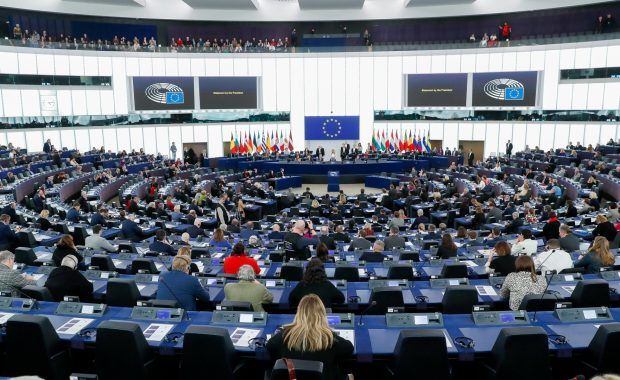
The European Parliament begins its tenth term

The European Parliament was officially constituted on Tuesday in Strasbourg, following the European elections on 6-9 June. Roberta Metsola (EPP, MT), outgoing EP President, presided over the opening of the session. Following a musical interlude, Pina Picierno (S&D, IT), second Vice-President in the outgoing Parliament, announced the candidates for the Presidency of the Parliament. The […]
EU News,  Institutional Affairs European elections,  European Parliament,  New MEP intake

10 de June de 2024

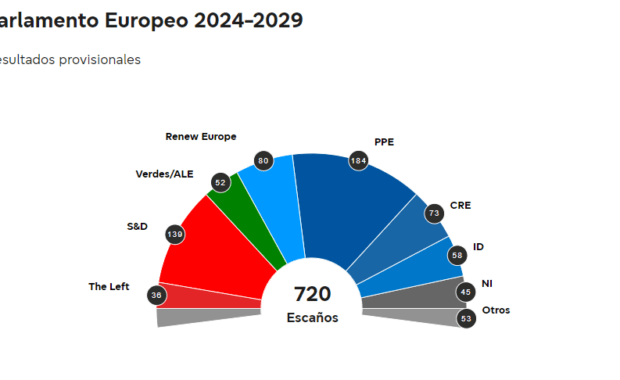
Election 2024: Seat projection for new European Parliament

Projection for the composition of the new Parliament based on provisional results in 23 countries and estimates and pre-electoral data for the remaining four (as of 00.17).   The above projection is based on: provisional results from 23 EU member states: Austria, Belgium, Bulgaria, Croatia, Cyprus, Czechia, Denmark, Estonia, Hungary, Finland, Germany, Greece, Latvia, Lithuania, […]
EU News,  Institutional Affairs Elecciones Europeas,  European elections,  European Parliament,  European Union

5 de June de 2024

European elections 2024: people eligible to vote

The 2024 elections for the European Parliament are set for 6-9 June 2024. Eurostat has asked the National Statistical Institutes of the EU Member States for a dedicated data collection on the number of people eligible to vote. Following the publication of first estimates on 4 April 2024, this article presents the most recent estimates […]

EU News,  Institutional Affairs 2024,  European elections,  European Union

votaciones

28 de May de 2024

Eurobarometer: Expectations of EU citizens ahead of the elections

The latest Standard Eurobarometer released last week shows that Europeans want to see the EU stronger and more independent, especially in the face of the current global challenges, while they are growing optimistic about the future. Expectations for a stronger, more independent and resilient EU More than three quarters of Europeans (77%) are in favour […]

EU News,  Institutional Affairs Comision Europea,  Elecciones Europeas,  EU citizens,  Eurobarometer,  European Commission,  European elections,  expectations,  Unión Europea

jovenes

13 de May de 2024

New Eurobarometer survey shows young people’s active participation in civic and democratic life ahead of the upcoming European elections

Ahead of the European elections taking place from 6 to 9 June, the Commission has published today a Eurobarometer on Youth and Democracy, revealing early indications of 64% of young people saying they intend to vote. However, while 38% indicated that they think voting is the most effective action to make their voice heard, some 19% […]
EU News,  Youth Eurobarometer,  European elections,  European Union,  young

29 de April de 2024

MEPs call for a firm response to counter Russian interference

Parliament calls on the political leadership in the EU and member states to counter Russian interference attempts urgently and vigorously. Following several recent revelations of Kremlin-backed attempts to interfere with and undermine European democratic processes, MEPs adopted on Thursday a resolution firmly denouncing such efforts. Any such tactics, they say, must have consequences. Parliament is […]

EU News,  Institutional Affairs European elections,  European Union,  russia,  Russian interference

8 de April de 2024

Commission publishes guidelines for the mitigation of systemic risks online for elections

The Commission has published guidelines on recommended measures to Very Large Online Platforms and Search Engines to mitigate systemic risks online that may impact the integrity of elections, with specific guidance for the upcoming European Parliament elections in June.   Under the Digital Services Act (DSA), designated services with more than 45 million active users in the EU […]
EU News,  Institutional Affairs,  Law,  Legislation Comision Europea,  DSA,  EU,  European Commision,  European elections,  European elections 2024,  European Parliament,  guidelines,  risks

5 de April de 2024

European elections 2024: people eligible to vote

The 2024 elections for the European Parliament are set for 6-9 June 2024. Eurostat has asked the National Statistical Institutes of the EU Member States for a dedicated data collection on the number of people eligible to vote.   National estimates show that, on the election dates, the highest numbers of eligible voters are expected in Germany […]
EU News,  Institutional Affairs,  International Politics and Cooperation,  Research and Innovation,  State Members EU,  European elections,  European elections 2024,  European Parliament,  Eurostat,  National Statistical Institute,  vote

12 de February de 2024

Five key aspects you should know about the European elections

Next June, citizens of the European Union are called to the polls to elect the 720 Members of the European Parliament. Members of the European Parliament, together with representatives of the governments of the member countries, represent around 450 million Europeans and legislate on many important aspects of our society. The Parliament also approves the […]

EU News,  Institutional Affairs,  International Politics and Cooperation,  State Members 9 May,  Comision Europea,  Elecciones Europeas,  European elections,  European Union,  Unión Europea

  • Page 1
  • Page 2
  • Page 3
  • Go to Next Page »

Primary Sidebar

Footer

  • CDE Almería
  • Biblioteca Nicolás Salmerón – Universidad de Almería
  • Planta: 1ª, Despacho: 1.05.0B.
  • Ctra. Sacramento s/n. Almería (Spain)
  • Teléfono: (+34) 950 015266

HOME
NEWS
DOCUMENTATION
EUROPE ON THE NET
ABOUT US

  • LEGAL NOTICE
  • PRIVACY POLICY
  • COOKIE POLICY
  • ACCESSIBILITY
  • SITEMAP

Copyright © 2026 CDE Almería · Creative Commons LicenseThis work is licensed under a Creative Commons Attribution-NonCommercial 4.0 International License.

<p>El Centro de Documentación Europea de la Universidad de Almería utiliza cookies propias y de terceros para facilitar al usuario la navegación en su página Web y el acceso a los distintos contenidos alojados en la misma. Asimismo, se utilizan cookies analíticas de terceros para medir la interacción de los usuarios con el sitio Web. Pinche el siguiente enlace si desea información sobre el uso de cookies y como deshabilitarlas. </p>

Politica de privacidad

El Centro de Documentación Europea de la Universidad de Almería utiliza cookies propias y de terceros para facilitar al usuario la navegación en su página Web y el acceso a los distintos contenidos alojados en la misma. Asimismo, se utilizan cookies analíticas de terceros para medir la interacción de los usuarios con el sitio Web. Pinche el siguiente enlace si desea información sobre el uso de cookies y como deshabilitarlas. <a href="/politica-de-cookies" rel="noopener" target="_blank">Más información</a>

Cookies estrictamente necesarias

Las cookies estrictamente necesarias tiene que activarse siempre para que podamos guardar tus preferencias de ajustes de cookies.

Básicamente la web no funcionara bien si no las activas.

Estas cookies son:

  • Comprobación de inicio de sesión.
  • Cookies de seguridad.
  • Aceptación/rechazo previo de cookies.
Cookies de terceros

Esta web utiliza Google Analytics, Google Tag Manager y Yandex Metrika para recopilar información anónima tal como el número de visitantes del sitio, o las páginas más populares.

Dejar estas cookies activas nos permite mejorar nuestra web.

Política de cookies

Pinche el siguiente enlace si desea información sobre el uso de cookies y como deshabilitarlas. Más información