
On Tuesday, Parliament adopted its proposals to strengthen the democratic dimension of the 2024 elections, and for the lead candidate system.
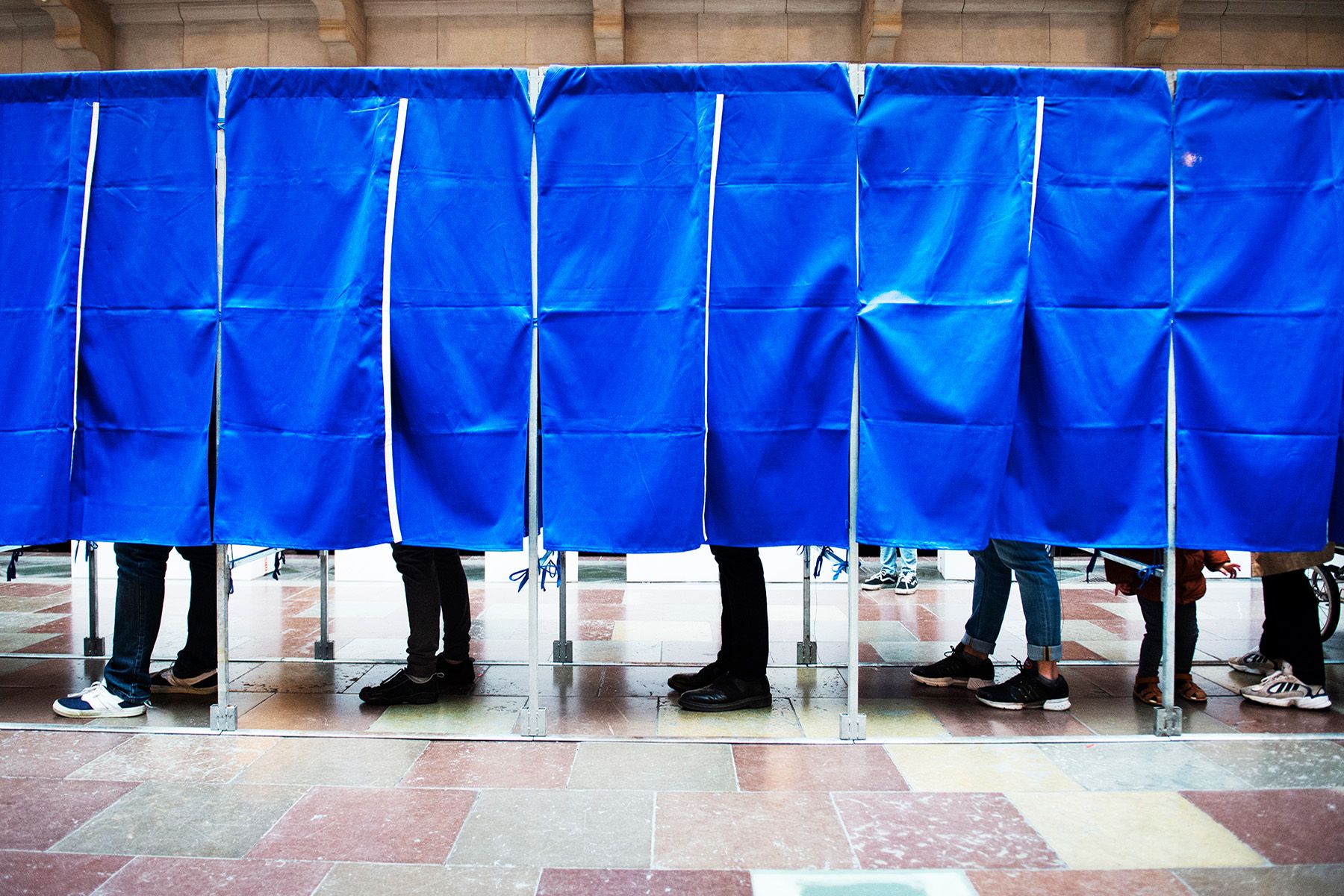
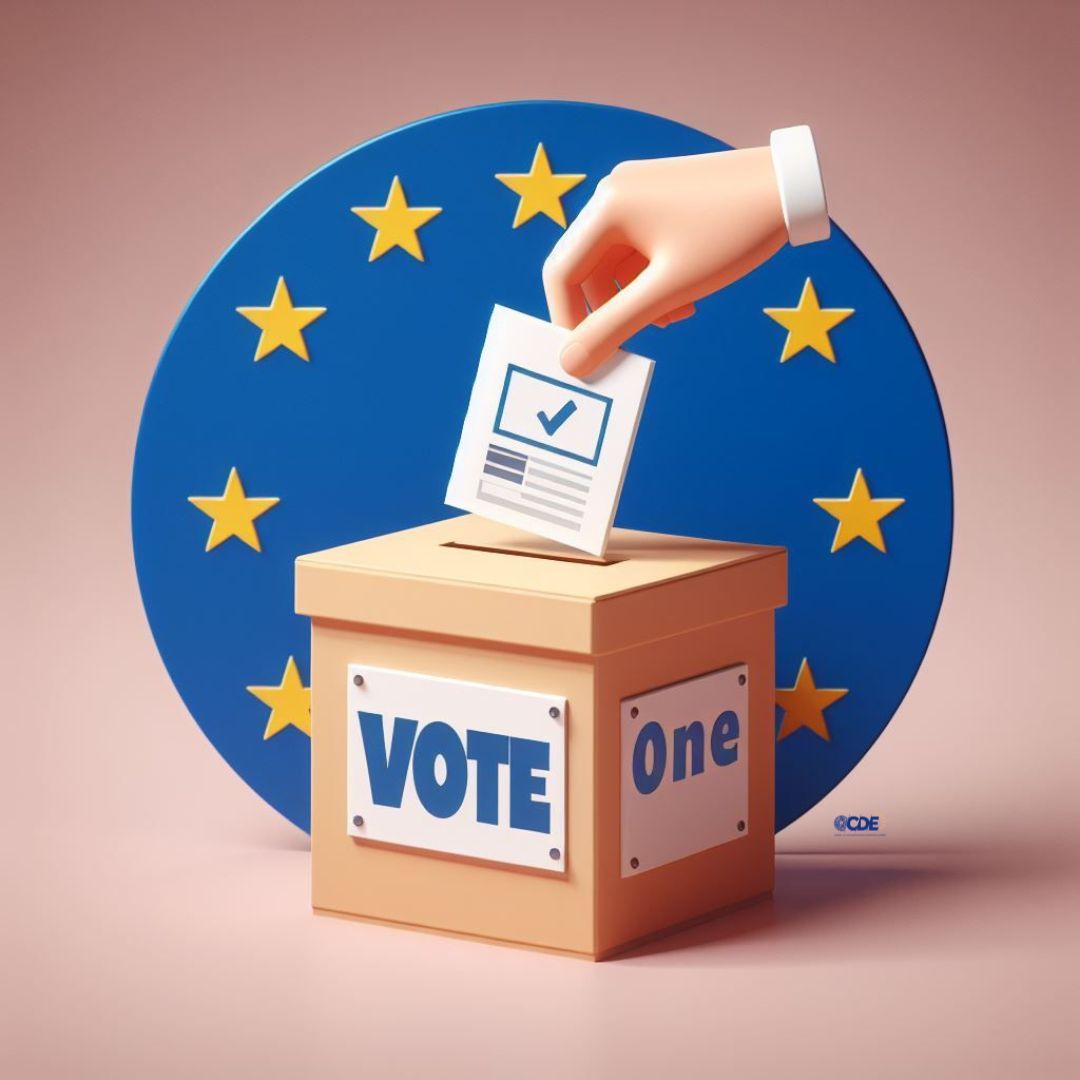
The report, which received 365 votes for, 178 against, and 71 abstentions, calls for measures to boost voter turnout during the 6-9 June 2024 elections beyond the increased figures recorded in 2019. Parliament’s focus is on maximising the impact of electoral campaigns, the post-electoral procedure for the establishment of the next European Commission and the election of its President, and ensuring all citizens can exercise their right to vote.
The day after the elections
MEPs demand a clear and credible link between the choice made by voters and the election of the Commission President. The process should depend on securing a majority in Parliament in line with the Lisbon Treaty, they say, and that backroom deals at the European Council should stop. MEPs want a binding agreement between Parliament and the European Council to ensure that European political parties and parliamentary groups begin negotiations on a common candidate immediately after the elections and before the European Council makes a proposal.
The lead candidate of the party with the most seats in Parliament should lead the process in the first round of negotiations, with Parliament’s President steering the process if needed. MEPs also expect that a ‘legislature agreement’ should be made between the political parties and groups, as a way of securing a majority in Parliament, as a basis for the Commission’s work programme, and as a guarantee, to European voters, of a coherent follow-up to the elections.
Increasing participation and safeguarding the right to vote
Parliament is also urging the Council to swiftly adopt the new European electoral law and new rules for European political parties and foundations, so that at least the latter are applicable for the 2024 campaign. National and European political parties should carry out their campaigns in line with EU values and with enhanced visibility for the European dimension of the election.
To ensure all EU citizens can exercise their right to vote, member states should introduce measures for easier access to information and voting centres for people with disabilities. MEPs also want to encourage the engagement of European citizens from specific categories, such as those living in another EU member state or a third country, and the homeless. Other recommendations seek to shield the elections from foreign and internal interference via more robust safeguards and measures against disinformation. MEPs welcome the deal reached by the co-legislators on rules on the transparency and on targeting of political advertising, and acknowledge the important role that Parliament’s institutional information campaign has, in liaison with civil society organisations, in contributing to the debate on European policy issues and complementing the parties’ campaigns.
Political advertising: deal on new measures to crack down on abuse |
Quotes
Co-rapporteur Sven Simon (EPP, DE) commented: “Voters need clarity on how their vote will affect the choice of the people and policies of the EU. Unlike in 2019, we must not make promises we cannot keep. The lead candidate process needs to become credible again. Whoever is elected President of the newly formed Commission requires a clear mandate from the voters and a majority in Parliament.”
Co-rapporteur Domènec Ruiz Devesa (S&D, ES) said: “We have paved the way for recommendations to the European political parties to strengthen the European dimension of electoral campaigns ahead of the 2024 elections. We need to make the European political parties’ logos and their public messages more visible. We would also like to see concrete post-electoral procedures to increase the visibility of the role played by the European political parties in electing the Commission President and strengthen the electoral rights of all European citizens.”
In adopting this report, Parliament is responding to citizens’ expectations expressed in the proposals of the Conference on the Future of Europe – namely, proposals 38(3), 38(4), 27(3), and 37(4) on enhancing the link between citizens and their elected representatives, , and tackling disinformation and foreign interference.
Publicaciones relacionadas:
 European Parliament convenes grants to inform 2024 European elections
 Conference “The European Union and its Global Challenges”.
 European Parliament calls for coordinated strategy to protect 2024 European elections against foreign interference
 According to the latest Eurobarometer, citizens are aware of the impact of the EU on their lives
EU cybersecurity exercise to foster cooperation and promote free and fair EU elections
According to the latest Eurobarometer, citizens are aware of the impact of the EU on their lives
EU cybersecurity exercise to foster cooperation and promote free and fair EU elections
Leave a Reply