
Next June, citizens of the European Union are called to the polls to elect the 720 Members of the European Parliament. Members of the European Parliament, together with representatives of the governments of the member countries, represent around 450 million Europeans and legislate on many important aspects of our society. The Parliament also approves the budgets of the European Union; elects the President of the European Commission, and approves its commissioners.
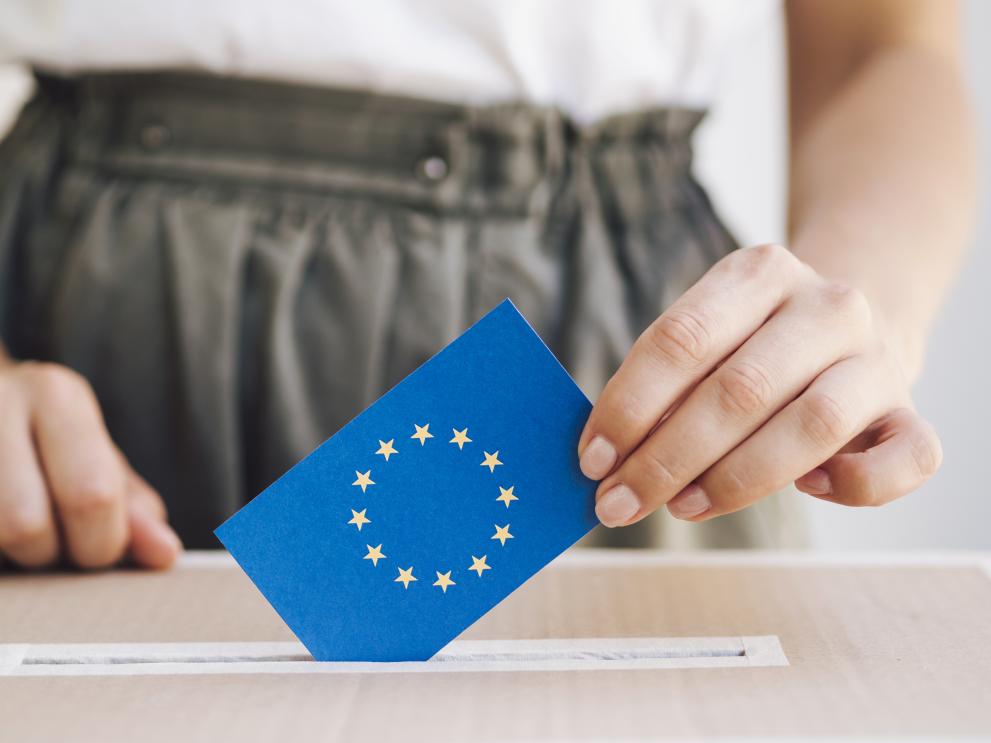
There are European electoral rules that are common to all EU countries. Among them, that the number of Members of the European Parliament elected from a political party is proportional to the number of votes it receives; or that European citizens residing in another EU country can vote and stand for election in that country.
Five key aspects to consider for the upcoming European elections:
When are the European elections held?
The next European elections will take place from June 6 to 9, 2024 in the 27 Member States. In Spain, they will be held on Sunday, June 9.
What is elected in the European elections?
Members of the European Parliament are elected by universal suffrage. In 2024, 720 Members of the European Parliament are elected, 15 more than in the previous elections. The total number cannot exceed 750 Members plus the President.
Since when are the European elections held?
The first European elections were held in 1979 by direct universal suffrage. Before that date, Members of the European Parliament were appointed by national parliaments. Since the first election, elections are held every five years.
How many Members of Parliament does each country elect?
The number of MEPs each country elects is agreed upon before the elections. To distribute them, the principle of degressive proportionality is used, whereby each MEP from a large country represents more people than one from a small country. However, there is a minimum (6) and a maximum (96) of MEPs per country. Spain will elect a total of 61 representatives, two more than in the previous legislature. National parties run in the elections, but once elected, most choose to join transnational political groups.
Why is it important to vote in these European elections?
Elections are a fundamental tool available to citizens to express their opinion. Voting is actively engaging in the decisions that need to be made for the future of our society.
European legislation addresses most people’s priorities: the environment, the economy, digitalization, social rights, and much more. The European Union faces significant global challenges, and voting is the way citizens can be part of the direction taken.
More information: Representation in Spain of the European Commission
Publicaciones relacionadas:
 President von der Leyen and the College of Commissioners will participate in the inauguration of the Spanish Presidency of the Council of the EU in Madrid
 SOTEU 2020: President Von der Leyen sets the course for Europe
 July infringements package: key decisions related to Spain and Environmental matters
 According to the latest Eurobarometer, citizens are aware of the impact of the EU on their lives
 SOTEU 2023: Charting the course for the year ahead
Leave a Reply