• Skip to primary navigation
  • Skip to main content
  • Skip to primary sidebar
  • Skip to footer
  • Bluesky
  • Facebook
  • Instagram
  • Twitter
  • YouTube
CDE Almería – Centro de Documentación Europea – Universidad de Almería

CDE Almería - Centro de Documentación Europea - Universidad de Almería

Centro de Documentación Europea de la Universidad de Almería

  • HOME
  • WHAT´S ON
    • EU NEWS
    • Activities
    • EU Calls and Awards
    • Radio Program «Europe with You»
  • DOCUMENTATION
    • EU Media Collection
      • Web Space
      • MEDIATHEQUE REPOSITORY
  • Europe on the net
    • Institutions
    • EU Representation in Spain
    • European information network of Andalusia
  • ABOUT US
    • Presentation
    • Services
    • People
    • Contact
  • Spanish
  • English

New Eurobarometer survey shows young people’s active participation in civic and democratic life ahead of the upcoming European elections

Inicio » EU News » Youth » New Eurobarometer survey shows young people’s active participation in civic and democratic life ahead of the upcoming European elections

13 de May de 2024

Ahead of the European elections taking place from 6 to 9 June, the Commission has published today a Eurobarometer on Youth and Democracy, revealing early indications of 64% of young people saying they intend to vote. However, while 38% indicated that they think voting is the most effective action to make their voice heard, some 19% said they were not interested in politics and 13% were not interested in voting.
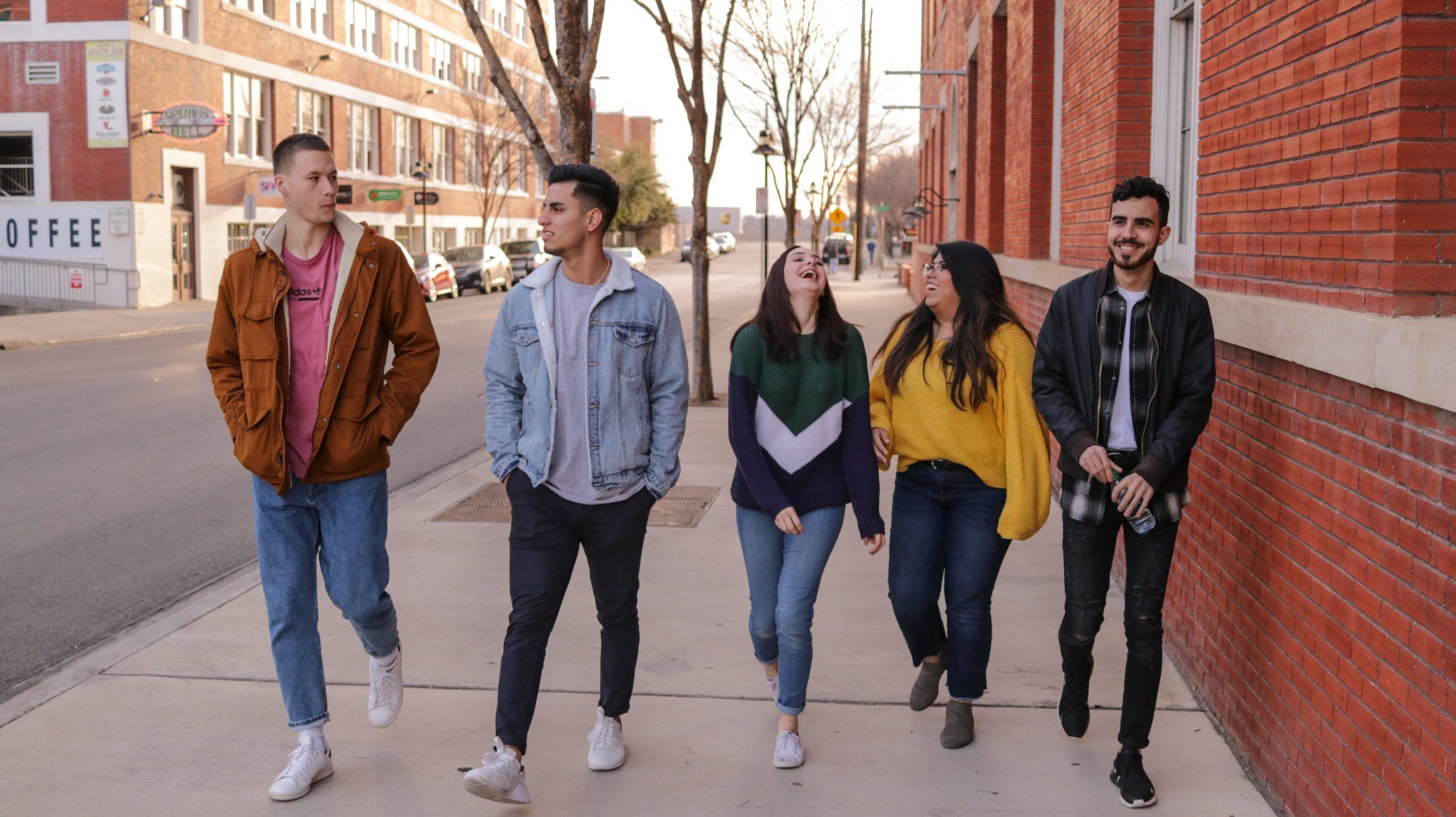
grupo de jóvenes caminando

The survey showed that many young people are active and engaged: 64% said that they have participated in the activities of one or more organisations in the past 12 months. In addition, 48% reported that they had taken action to change society through signing a petition, participating in a rally, or sending a letter to a politician. In particular, young people were active on topics relating to human rights (34%), climate change and environment (33%), health and wellbeing (29%) and equal rights regardless of gender, race or sexuality (29%).

Young people felt that the education system has prepared them well for some of the challenges that they face. For example, 73% said their education has equipped them with the necessary digital skills to identify disinformation. 72% said their education has taught them to take care of the environment.
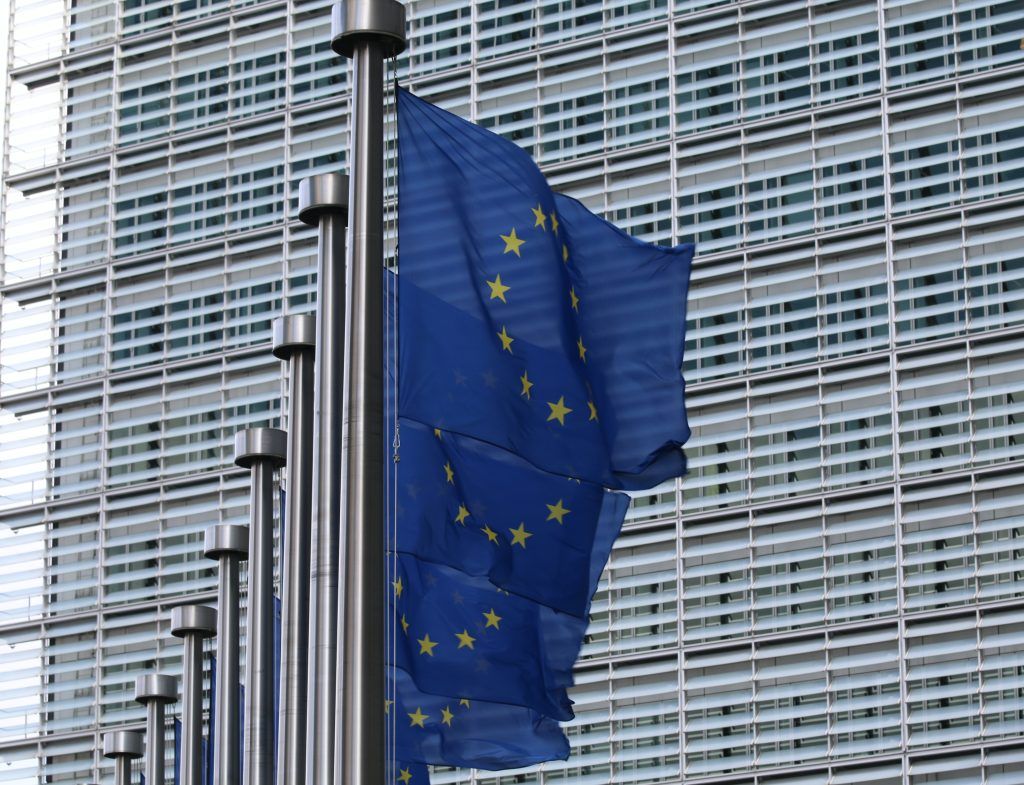
According to the latest Eurobarometer, citizens are aware of the impact of the EU on their lives

Finally, the survey showed that young people continue to have a European outlook. More than 43% have participated in an activity in another EU country. Typical examples of this includes studying or training (16%), volunteering (12%) or working (12%). Nearly half of the surveyed young people (49%) say that they are aware of the funding opportunities offered by Erasmus+, the EU programme for education, training, youth, and sport. In addition, 67% of young people believe that the EU has an impact, at least to some extent, on their daily life, while 26% say it does not and 7% don’t know.

Background

The Flash Eurobarometer survey 545 ‘Youth and Democracy’ was carried out between 3 April and 12 April 2024, targeting a representative sample of 26,189 young people aged 15 to 30 in the 27 Member States. The survey was conducted through computer-assisted web interviewing (CAWI).

The results of the Eurobarometer will further inform the work done by the European Commission as outlined in the Commission’s Communication on the legacy of the European Year of Youth.  The Commission has appointed an EU Youth Coordinator, and is setting up a youth check in the EU policymaking process. In the context of the European Youth Week in April 2024, both Vice President Margaritis Schinas and Commissioner Iliana Ivanova hosted youth policy dialogues. Participation in democratic life, common European values and civic engagement lie at the very heart of the Erasmus+ and European Solidarity Corps programmes.

More Information: European Commission

Eurobarometer survey

European Youth Portal

Communication on the legacy of the European Year of Youth 2022

How to vote in the European elections

Publicaciones relacionadas:

joven con maletaEurostat: When do young Europeans leave their parental home? The European Commission proposes to facilitate the mobility of young people between the EU and the United Kingdom. European Commission initiates second formal procedure against TikTok under the Digital Services Act Temporary rules to detect child sexual abuse online What exactly is academic freedom in higher education?


EU News,  Youth Eurobarometer,  European elections,  European Union,  young

“This is a space for debate. All comments, for or against publication, that are respectful and do not contain expressions that are discriminatory, defamatory or contrary to current legislation will be published”.

Reader Interactions

Leave a Reply Cancel reply

Your email address will not be published. Required fields are marked *

This site uses Akismet to reduce spam. Learn how your comment data is processed.

Primary Sidebar

Footer

  • CDE Almería
  • Biblioteca Nicolás Salmerón – Universidad de Almería
  • Planta: 1ª, Despacho: 1.05.0B.
  • Ctra. Sacramento s/n. Almería (Spain)
  • Teléfono: (+34) 950 015266

HOME
NEWS
DOCUMENTATION
EUROPE ON THE NET
ABOUT US

  • LEGAL NOTICE
  • PRIVACY POLICY
  • COOKIE POLICY
  • ACCESSIBILITY
  • SITEMAP

Copyright © 2026 CDE Almería · Creative Commons LicenseThis work is licensed under a Creative Commons Attribution-NonCommercial 4.0 International License.

<p>El Centro de Documentación Europea de la Universidad de Almería utiliza cookies propias y de terceros para facilitar al usuario la navegación en su página Web y el acceso a los distintos contenidos alojados en la misma. Asimismo, se utilizan cookies analíticas de terceros para medir la interacción de los usuarios con el sitio Web. Pinche el siguiente enlace si desea información sobre el uso de cookies y como deshabilitarlas. </p>

Politica de privacidad

El Centro de Documentación Europea de la Universidad de Almería utiliza cookies propias y de terceros para facilitar al usuario la navegación en su página Web y el acceso a los distintos contenidos alojados en la misma. Asimismo, se utilizan cookies analíticas de terceros para medir la interacción de los usuarios con el sitio Web. Pinche el siguiente enlace si desea información sobre el uso de cookies y como deshabilitarlas. <a href="/politica-de-cookies" rel="noopener" target="_blank">Más información</a>

Cookies estrictamente necesarias

Las cookies estrictamente necesarias tiene que activarse siempre para que podamos guardar tus preferencias de ajustes de cookies.

Básicamente la web no funcionara bien si no las activas.

Estas cookies son:

  • Comprobación de inicio de sesión.
  • Cookies de seguridad.
  • Aceptación/rechazo previo de cookies.
Cookies de terceros

Esta web utiliza Google Analytics, Google Tag Manager y Yandex Metrika para recopilar información anónima tal como el número de visitantes del sitio, o las páginas más populares.

Dejar estas cookies activas nos permite mejorar nuestra web.

Política de cookies

Pinche el siguiente enlace si desea información sobre el uso de cookies y como deshabilitarlas. Más información