
The European Commission publishes the fifth Eurobarometer dedicated to sport and physical activity. The survey shows that 38% of Europeans play sport or exercise at least once a week, while 17% exercise less than once a week. Up to 45% of Europeans currently never exercise or partake in physical activity. While this is a stabilisation compared to the 2017 Eurobarometer, the continued promotion for sport and physical activity clearly remains much needed. The survey also reveals that during COVID-19 pandemic, half of Europeans reduced their activity levels or even stopped altogether.

Respondents aged 15-24 years are the most likely to exercise or play sport with some regularity (54%). This proportion decreases with age, down from 42% among 25-39 year-olds to 32% in the group aged 40-54 and 21% among those aged 55 and over. Overall, the Eurobarometer shows that respondents who engage regularly in physical activity for recreational or non-sport-related reasons do not form a majority in any EU Member State.
According to the respondents, the main barrier to be active is a lack of time followed by a lack of motivation, or simply no interest in sport. In response, the Commission’s HealthyLifeStyle4All campaign will continue to raise awareness about the importance of an active healthy lifestyle across generations and social groups.
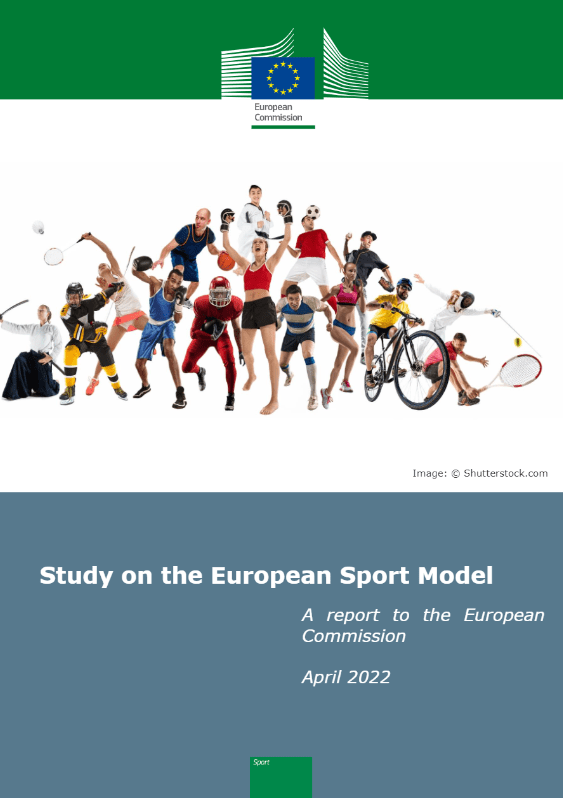
Study on the European sport model
|
The survey informs that the main reason to be active is to improve one’s health, followed by the wish to increase fitness levels and find ways to relax. The Commission is promoting the benefits of sport for physical and mental wellbeing every year during the European Week of Sport. Half of the respondents also expressed their desire to be active in the outdoors, which is supported by the Commission’s efforts towards greener and more sustainable sport and physical activity. In a new development, possibly reinforced by the COVID-19 pandemic, approximately one third prefers to practice sport at home.
Finally, the importance of the European Commission’s efforts to improve gender equality in sport are strongly supported by the outcome of the Eurobarometer, since the gender gap between those who regularly exercise remains in favour of men. In this context, it is encouraging to learn that a majority of respondents in 25 EU Member States state that they evenly like to follow male and female sport competitions in the media.
The European Week of Sport
The European Week of Sport is an initiative of the European Commission to promote sport and physical activity across Europe, including the Western Balkans and countries from the Eastern Partnership. Sport and physical activity contribute substantially to the health and wellbeing of European citizens, however, the level of physical activity in Europe is currently stagnating and even declining in some countries. The European Week of Sport is a joint response to this challenge as well as a call for action to tackle the phenomenon of inactivity by encouraging Europeans of all ages to embrace a healthy and active lifestyle. It is part of the #BeActive campaign, which was officially launched on 23 June, the International Olympic Day. The 2022 #BeActive campaign will put the spotlight on relatable and inspiring people, with a focus on the 3 pillars: Youth, Inclusion & Equality and Healthy Lifestyle.
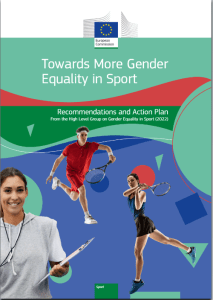
Towards more gender equality in sport. Recommendations and action plan from the High Level Group on Gender Equality in sport (2022)
|
More information
European Commission – Press release
Eurobarómetro 525: Deporte y actividad física
Publicaciones relacionadas:
 Andalusia designated as European Region of Sport for the year 2021
 COVID-19: ECDC updates case definition for EU surveillance
 The European Commission will address the issue of Coronavirus at its meeting on 5th March
 Statement by the President of the ECB about Covid-19
 New project to improve biological detection, identification & monitoring equipment
Leave a Reply