
EU agricultural markets are expected to remain strong in 2026, according to the summer 2026 edition of the report on the short-term outlook for EU agricultural markets, published today by the European Commission. It should be noted that this report does not take into account the current heatwaves, which are severely affecting farmers across Europe, as the data used was collected before these heatwaves occurred.
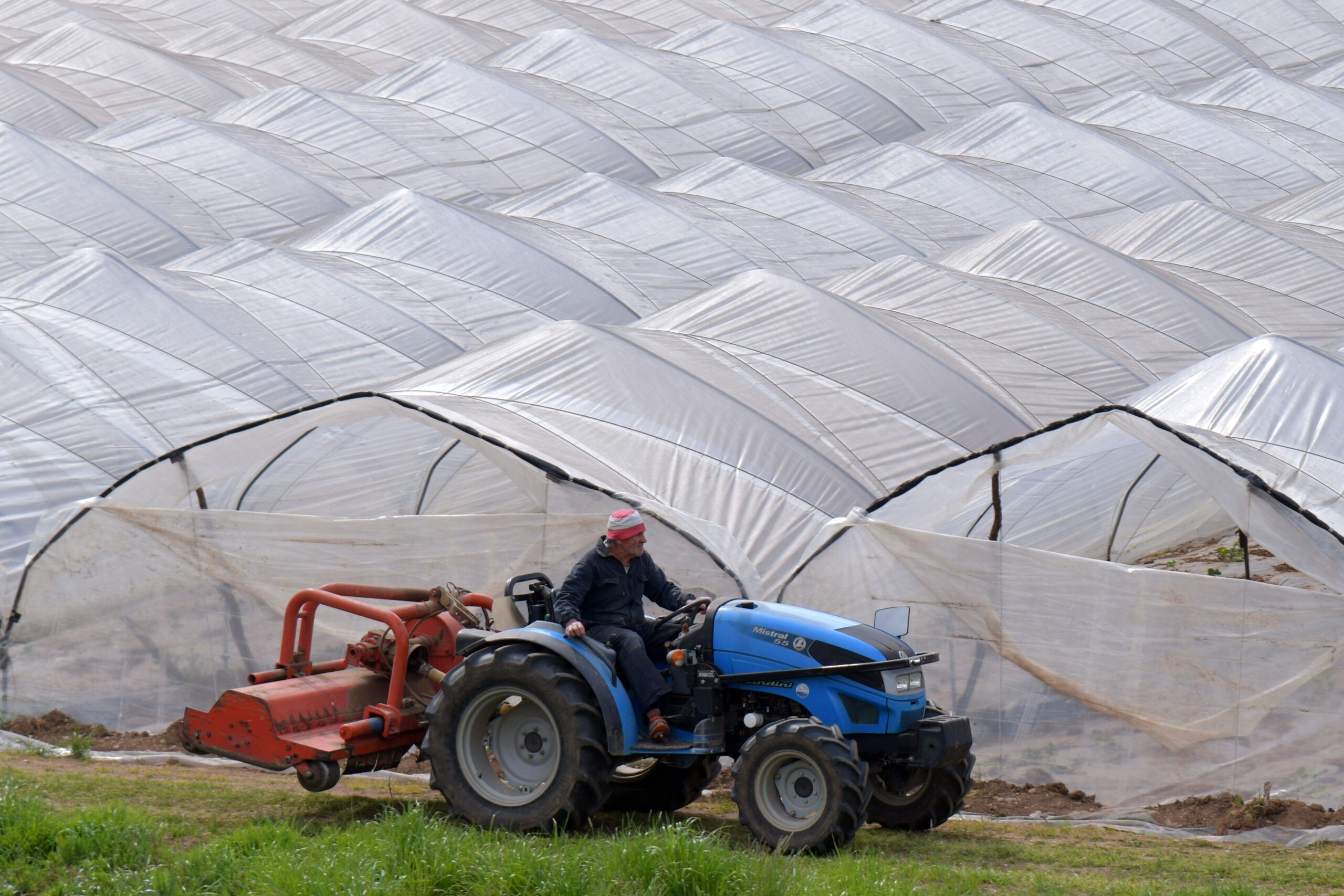
The sector continues to face significant uncertainty relating to the repercussions of the conflict in the Middle East, weather risks, animal diseases and persistent trade tensions. Rising input costs are putting pressure on producers’ margins. Real GDP growth is forecast at 1.1 per cent, with inflation expected to rise to 3.1 per cent, driven by energy costs, and food prices set to increase. At the same time, the outlook points to favourable growing conditions in the EU, and winter crop yields are expected to be above the historical average. However, spring and summer crops could be affected by heat and water shortages, particularly in regions prone to drought.
As regards arable and specialised crops, EU cereal production in 2026/27 is estimated to return to the average level of 273.7 million tonnes, following last season’s exceptionally high yields. Oilseed production is expected to increase by 3.1 per cent. Protein crop production is forecast to fall slightly — though remain above average — whilst EU sugar production could decline due to a reduction in the area under sugar beet. Olive oil production is expected to fall compared with the previous recovery in production in 2024/25, but to remain above the average for the 2025/26 marketing year.
As regards animal products, the EU’s milk supply is forecast to increase in 2026, driven by higher yields. The increase in the availability of raw milk could boost the production of butter, cheese, whey and skimmed milk powder, whilst exports remain stable despite lower demand in the Middle East and trade disruptions. Poultry production is estimated to grow, driven by strong demand and high prices. By contrast, beef production is forecast to decline in 2026 and 2027 due to a reduction in the cattle herd.
More information: European Commission.
Publicaciones relacionadas:
 The Commission welcomes the political agreement on seeds and other plant reproductive material
 The Commission supports the EU agri-food sector with €160 million
 Spain will reiterate the need for the Commission to allow greater flexibility for the fruit and vegetable sector
Parliament sets out position on the future of EU agricultural policy
Spain will reiterate the need for the Commission to allow greater flexibility for the fruit and vegetable sector
Parliament sets out position on the future of EU agricultural policy
 Use of antibiotics in animals is decreasing
Leave a Reply