
The European Commission has presented its Vision for Fisheries and Aquaculture up to 2040, setting out the direction for the next fifteen years with a view to strengthening the sector’s environmental and economic sustainability.
Entitled ‘Vision 2040 for Fisheries and Aquaculture’, the strategy aims to safeguard the livelihoods of communities that depend on the sector. Across the EU, the sector employs more than 200,000 people – nearly 124,500 in fisheries and nearly 76,000 in aquaculture – with many more working in processing, wholesale, distribution and retail.
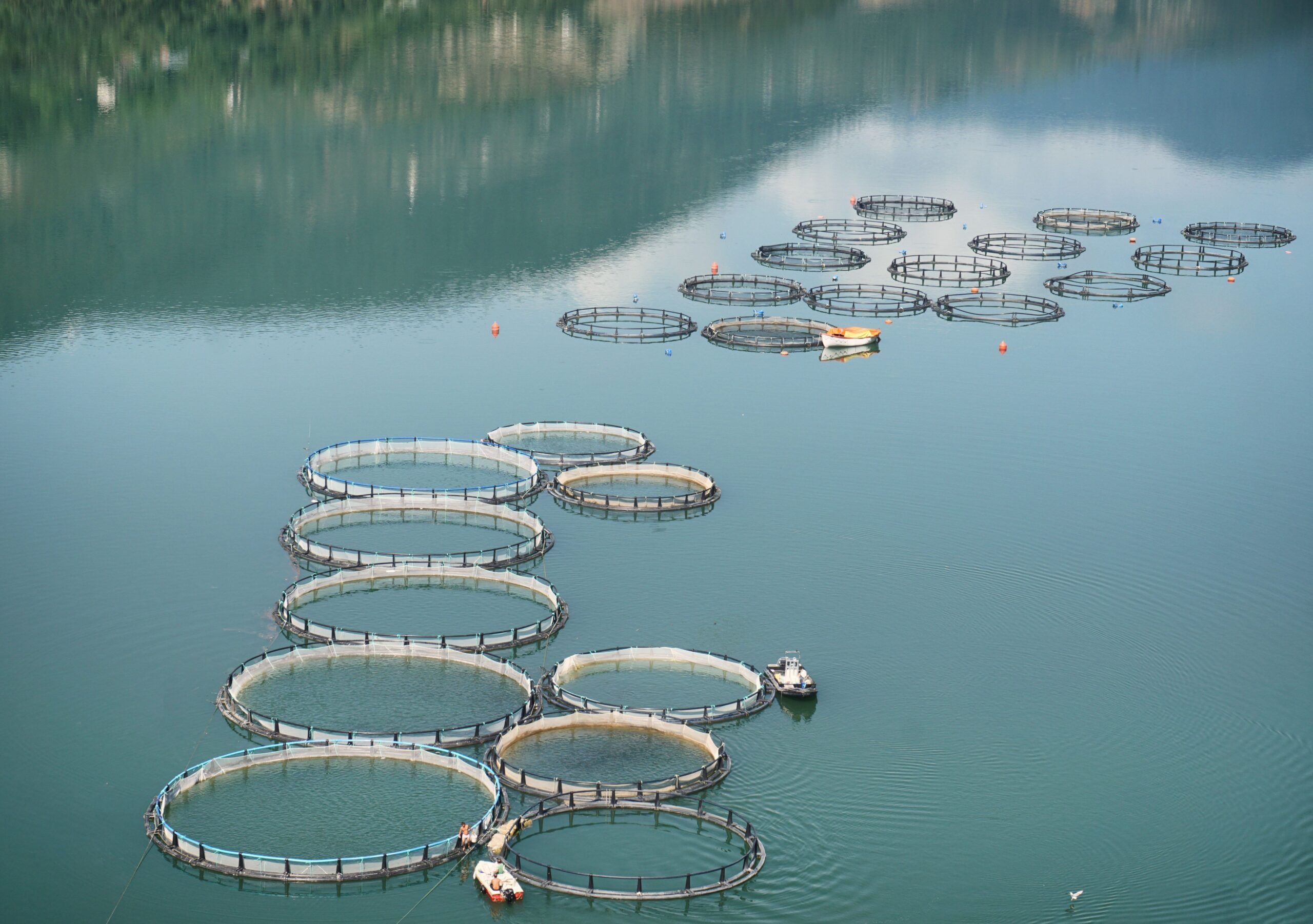
The strategy covers the entire value chain and seeks to provide the predictability that businesses need to invest and grow, whilst protecting the aquatic resources and ecosystems on which they depend. It is based on strengthening both the supply and demand for aquatic food in the EU and sets out key priorities to help the sector thrive: healthy ecosystems, the energy transition, securing supply chains, boosting demand and ensuring a stable food supply, supporting producers and facilitating access to finance, whilst strengthening international cooperation.
Healthy ecosystems as the foundation for a strong sector
The Vision recognises and emphasises that competitive and resilient fisheries and aquaculture depend on healthy aquatic resources and ecosystems. It also recognises that the landing obligation, which requires fishermen to return all regulated species caught to port, has not delivered the expected results in terms of monitoring unwanted catches, particularly given the way it has been implemented in practice.
To address this issue, the Commission will explore the potential of technological innovation and fully documented fishing, building on a dedicated dialogue on implementation with stakeholders later this year. This, in turn, may help fishermen, scientists and authorities to better understand when and where unwanted catches occur, and to design more effective practical measures to prevent them.
Support for the energy transition in fisheries and aquaculture
Up to 2030, the main objective of the Vision is to improve energy and resource efficiency, develop new technologies and skills, and utilise available clean fuels. From 2030 onwards, efforts will shift towards the expansion of low- and zero-emission technologies, supported by funding, infrastructure and fleet modernisation.
To support fleet modernisation and address the needs of the energy transition, as well as to improve safety and working conditions on board, the Commission will examine how best to define effective fishing capacity alongside capacity for social or environmental purposes.
The Commission will also update its 2014 guidelines for assessing the balance between fishing capacity and fishing opportunities. These measures will continue to support Member States in their ongoing efforts to achieve optimal management of fleet capacity.
Ensuring the supply of aquatic food in Europe
The Vision sets out measures to support the economic viability and resilience of the EU’s fisheries and aquaculture sectors.
In the fisheries sector, this includes supporting investment in more efficient and safer vessels, innovation and income diversification, by promoting activities such as fishing tourism.
In the field of aquaculture, the Commission will draw up a legislative instrument and work with Member States towards a more coherent regulatory framework, which will provide businesses with greater certainty and encourage investment.
Encouraging consumers to choose EU-produced seafood
The Vision also aims to boost demand for EU-produced seafood by supporting diversification and helping consumers make informed choices.
As part of this effort, the Commission will promote digital traceability for all products throughout the supply chain by 2029, thereby enhancing transparency, trust and market value, whilst helping to align consumption patterns with the EU’s long-term objectives on nutrition and food security.
Creating the right conditions for success
To help make the Vision a reality, the Commission will launch specific initiatives to:
- improve access to funding, in particular through the proposed minimum earmarked allocation of €2 billion for the core functions of the Common Fisheries Policy in the EU’s long-term budget for 2028–2034, such as promoting sustainable fisheries and aquaculture and the restoration of marine ecosystems, within the framework of future national and regional partnership plans, support from the European Competitiveness Fund and measures to mobilise private investment;
- supporting small-scale fishermen, including through the future Oceans Act;
- strengthening research and innovation, in particular by expanding real-time monitoring – notably through artificial intelligence – to better anticipate the future availability of fish stocks and bring science, industry and public authorities closer together;
- introduce harmonised training and certification standards across the EU; and
- develop a ‘blue’ generational renewal strategy to be launched next year to help attract younger generations to the sector.
Acting globally to safeguard sustainability and equity
The Vision also sets out an EU strategy for external action in the field of fisheries.
Building on the EU’s international partnerships and the size of its internal market, the strategy will promote sustainable fisheries globally, whilst helping to ensure a diversified and resilient supply of aquatic food in the EU. This includes stepping up the fight against illegal, unreported and unregulated fishing, strengthening international fisheries standards and developing a new generation of sustainable fisheries partnership agreements.
In its Vision, the Commission also commits to continuing to champion a level playing field and to protecting the European fisheries value chain against unfair global competition.
The Commission now calls on Member States and national and regional authorities to translate this vision into tailored measures that reflect local and regional realities.
Background
The Vision 2040 for fisheries and aquaculture is a concrete outcome of the European Pact for the Ocean, which was presented in June 2025. It is also set out in the letter of mandate for the Commissioner for Fisheries and Oceans, Costas Kadis.
The Vision incorporates two key initiatives:
- the energy transition roadmap for fisheries and aquaculture; and
- the EU strategy for external action in the field of fisheries.
It was developed through a broad participatory process involving stakeholders across the entire value chain — including fishermen, aquaculture producers, the fish processing industry, Member States, NGOs, advisory councils, young people and citizens— and is based on the evaluation of the Common Fisheries Policy Regulation.
More information: European Commission
Publicaciones relacionadas:
 The European Commission proposes to simplify funding for fisheries and aquaculture
 Commission proposes measures to support generational renewal in agriculture
 The Commission proposes extending the fishing ban in the Bay of Biscay to protect dolphins until winter 2027
 The Commission Approves 750,000 Euros in Spanish State Aid for Farmers in the Balearic Islands Due to Rising Fuel Prices
 Study confirms that EU trade opens new commercial opportunities for EU agri-food exporters
Leave a Reply