
The European Commission has proposed a specific amendment to the Regulation on the European Maritime, Fisheries and Aquaculture Fund (EMFAF) to facilitate access to funding for fishermen and aquaculture producers across the EU. The changes are designed to cut red tape, support the sector’s energy transition and strengthen the resilience of coastal communities.
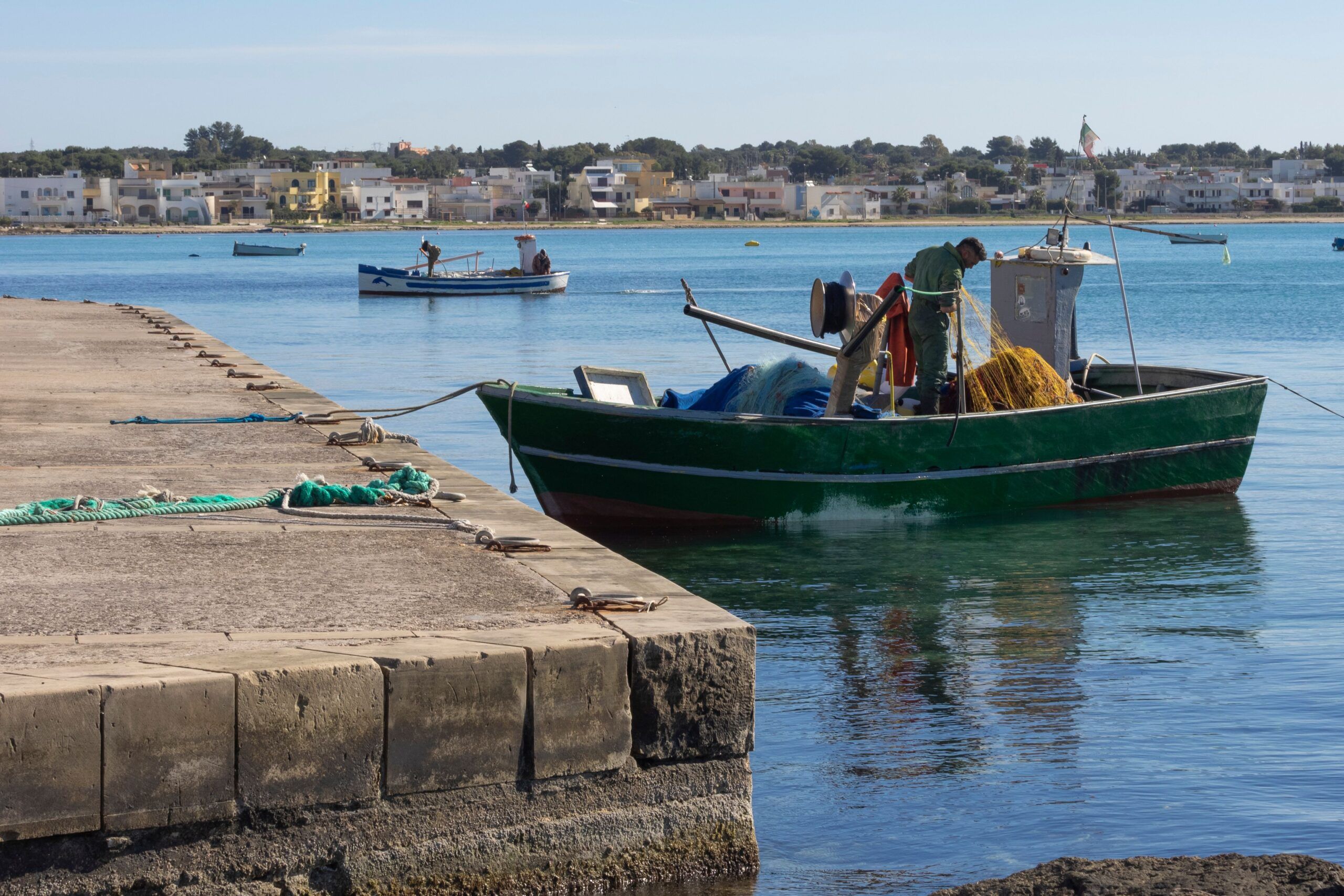
The proposal would facilitate the modernisation of fishing vessels by introducing more flexible rules for the replacement and modernisation of engines, alongside a simpler approval process and a clearer method for calculating emissions reductions.
The Commission also proposes to support generational renewal, with increased support for young fishermen and fewer obstacles to business transfers.
Furthermore, this specific amendment would introduce two new funding schemes: one to help fishermen cope with unexpected quota cuts, and another to support small-scale fisheries, particularly vessels under 12 metres in length and operators using non-trawl fishing gear.
The amendment would also increase the maximum percentage of funding from each Member State that can be allocated to measures relating to the fleet and the permanent cessation of fishing activity. This would give national authorities greater flexibility to address imbalances in fleet capacity.
At the same time, the aim of the Commission’s proposal is to strengthen environmental protection by providing incentives for support for marine protected areas, restricted fishing zones and maritime safety technologies, in line with the EU’s 2050 climate neutrality target.
The proposal also ensures full harmonisation with the WTO Agreement on Fisheries Subsidies. Operators or vessels involved in illegal, unreported and unregulated fishing, or in high-seas activities outside the jurisdiction of regional fisheries management organisations, would not be eligible for support from the EMFF.
The Commissioner for Fisheries and Oceans, Costas Kadis, said: “Today’s proposal puts the EU at the forefront of responsible fisheries policy. By simplifying the EMFF rules and incorporating the new WTO discipline on harmful subsidies, we are protecting our marine resources, supporting the green transition and, above all, providing young and small-scale fishermen with a more accessible route into the sector. These changes will reduce unnecessary red tape, ensure that public funds drive climate-neutral technologies and safeguard the livelihoods of coastal communities.”
The amendment follows the EMFF’s mid-term review, input from Member States and consultations with stakeholders. The European Parliament and the Council will now examine it, in accordance with the ordinary legislative procedure.
More information: European Commission
Publicaciones relacionadas:
 The Commission proposes extending the fishing ban in the Bay of Biscay to protect dolphins until winter 2027
 Commission proposes safeguards to strengthen protections for EU farmers in EU-Mercosur deal
 Commission proposes measures to support generational renewal in agriculture
 EU agriculture ministers meet to focus on securing EU food security and sovereignty
 Fisheries: EU and Norway strengthen cooperation for sustainable fishing in the Northeast Arctic
Leave a Reply