
The European Commission has presented last September 21 a ‘Strategy for Generational Renewal in Agriculture’, setting out a clear roadmap to support young farmers and attract more people to farming. The strategy aims to double the share of young farmers in the EU by 2040, with a goal of young and new farmers constituting about 24% of European farmers.
To this end, the Commission will recommend that Member States, especially those lagging behind, invest at least 6% of their agricultural spending to measures promoting generational renewal, with the option to mobilise additional resources. The strategy also includes developing national strategies for generational renewal in agriculture by 2028 in which they will address existing hurdles and define targeted support measures, based on the Commission’s recommendations. Member States will be expected to report regularly on their progress. Together, these efforts will ensure a sustainable, resilient and attractive agricultural sector for the future.
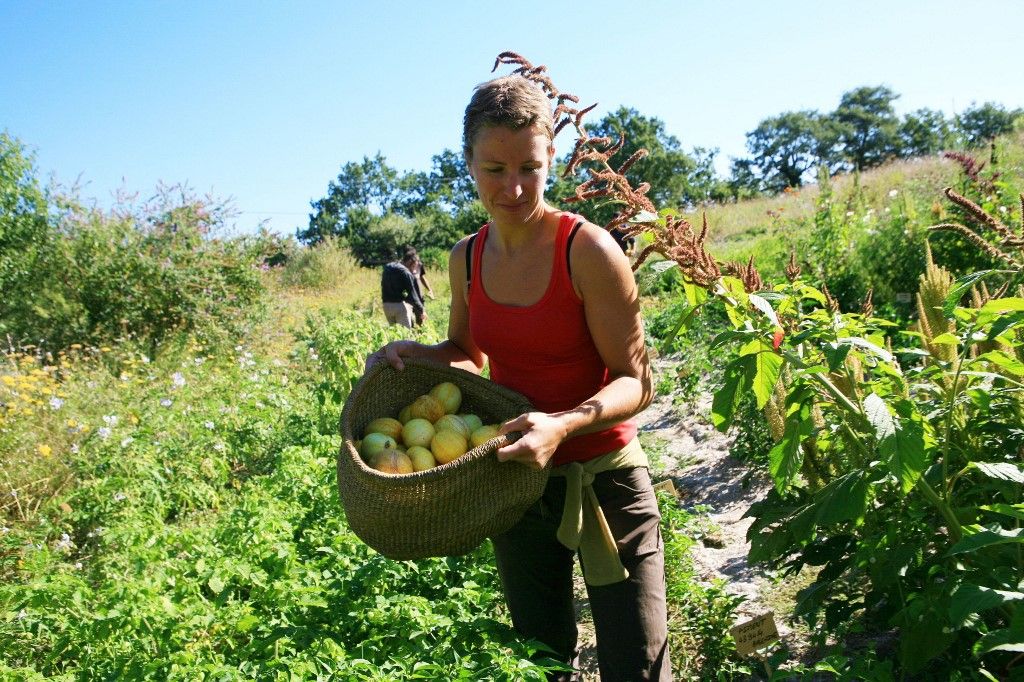
Young farmers are key to the EU’s food security and lively rural areas. To keep farming resilient and attractive, young people must have the right conditions to build their lives and careers in rural areas — ensuring not only the right to stay but also the wish to stay. Yet the sector faces serious pressures: an ageing workforce, declining rural populations, and economic and environmental challenges. Limited access to land, affordable credit, lower incomes and lack of relevant skills discourages new entrants, while succession remains difficult due to administrative and financial barriers. Tackling these issues is both a strategic necessity and a shared social responsibility for the EU.
Delivering the strategy: next steps for generational renewal
The strategy aims to support and prepare the next generation of EU farmers. It acknowledges that young farmers face specific challenges that need to be addressed with specific actions, at all levels of governance – EU, national and regional- and across policies.
To achieve this, the strategy identifies five key levers for action: — access to land, finance, skills, fair living standards in rural areas, and support for succession. Each lever is addressed through targeted flagship initiatives, among others:
- Proposing a mandatory ‘Starter Pack’ to young farmers in the next CAP to facilitate their entry and establishment in the sector through a comprehensive package of interventions, including a lump sum of up to €300 000 to set up;
- Better targeting of funds in favour of young farmers;
- Working with EIB to develop guarantee schemes and/or interest rate subsidies to facilitate access to finance;
- Developing a European Land Observatory to improve land transparency. This will help farmers access available land, support farm succession, inform policy, and prevent land speculation, making it easier for new entrants to start farming;
- Integrating into the European Semester relevant aspects on generational renewal on succession, embedding pension, retirement, and farm transfer reforms into national policy frameworks to facilitate timely succession, and land mobility;
- Inviting young farmers to participle in Erasmus for Young Entrepreneurs so they can learn good farming practices abroad or diversify their revenue by learning from other sectors;
- Promoting good living conditions in rural areas while supporting local development and youth and women’s involvement;
- Co-funding Farm Relief Services that replace farmers during illness, holidays, or caregiving, to improve their work-life balance.
The strategy is designed to be implemented at multiple interconnected levels: through the current and future CAP, complementary EU policies, EU country-led actions in areas such as land access, taxation, education, and pensions, and initiatives by stakeholders. Overcoming these barriers requires strong national and regional engagement to ensure an effective impact.
Background
Agriculture in Europe is ageing faster than other sectors. Currently, the average age of a farmer in the EU is 57 years-old, and only 12% of them are below 40 years-old, thus falling in the category of young farmers. This imbalance poses risks to long-term food security, the EU’s strategic autonomy in food production, and the sustainability of Europe’s farming landscapes.
The pool of rural youth is also shrinking. Between 2013 and 2019, the number of young people aged 15–24 living in rural areas in the EU-28 fell from 3.6 million to 1.9 million, while those aged 25–29 declined from 6.9 million to 5.9 million.
While many older farmers own their land, younger generations are often confined to tenancy, operating around 15 million hectares as tenants compared with 10 million as owners. Access to land, affordable credit, and essential skills remain major barriers for young farmers. In 2022, young farmers in the EU-27 faced a financing gap of €14.1 billion, equivalent to 22% of the sector’s total shortfall.
More information: European Commission
Publicaciones relacionadas:
 Commission proposes safeguards to strengthen protections for EU farmers in EU-Mercosur deal
 EU agriculture ministers meet to focus on securing EU food security and sovereignty
 Commission proposes to allow EU farmers to derogate for one year from certain agricultural rules
Study confirms that EU trade opens new commercial opportunities for EU agri-food exporters
Commission proposes to allow EU farmers to derogate for one year from certain agricultural rules
Study confirms that EU trade opens new commercial opportunities for EU agri-food exporters
 The Commission proposes extending the fishing ban in the Bay of Biscay to protect dolphins until winter 2027
Leave a Reply