
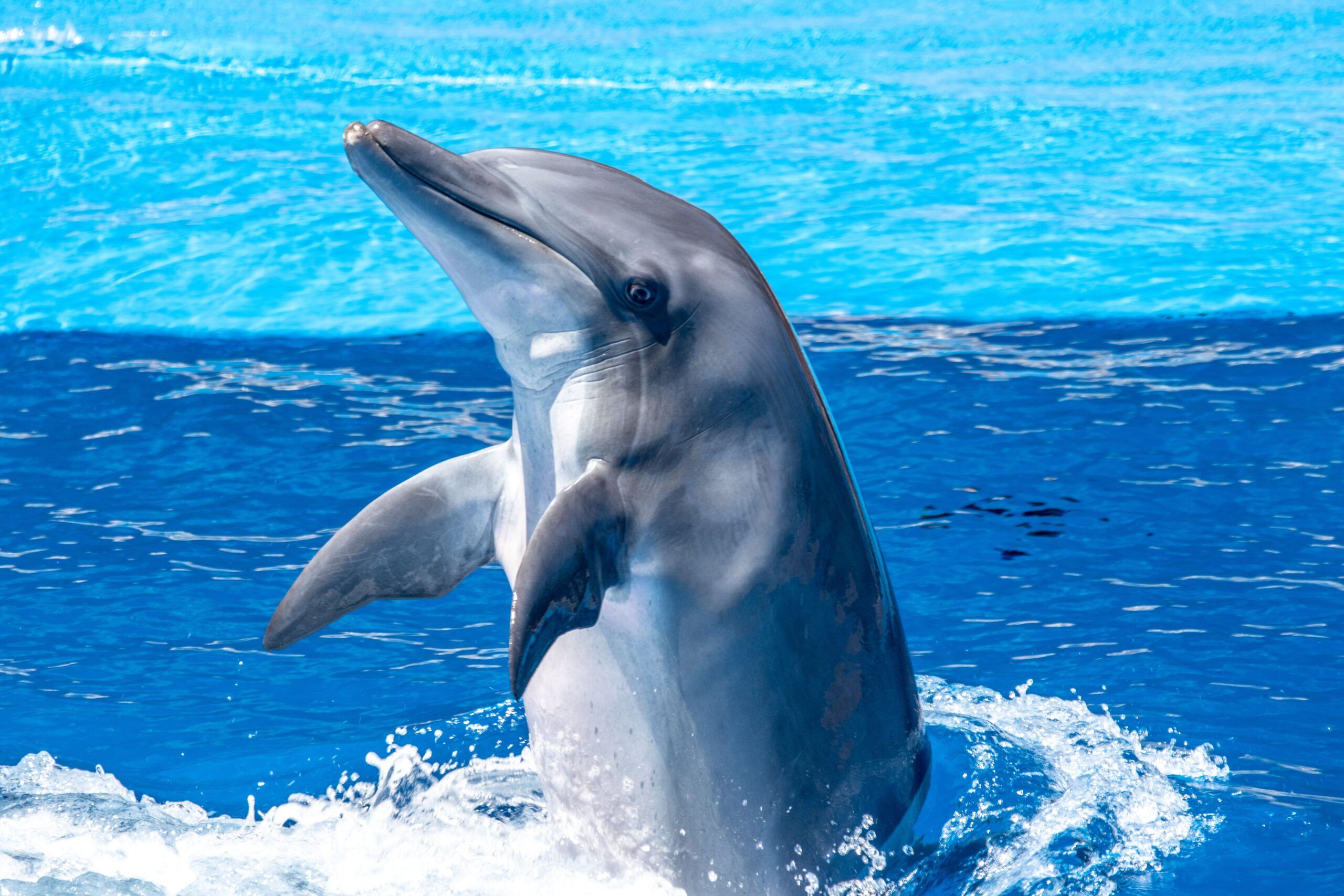
On 4 September, the Commission proposed extending the annual winter closure in the Bay of Biscay for fishing vessels over eight metres in length until the winter of 2027, in order to prevent the by-catch of common dolphins and other small cetaceans, species strictly protected under the EU Habitats Directive. For the fourth consecutive year, Belgium, France, the Netherlands, Portugal and Spain have requested this closure, making use of the regionalised approach provided for in the Common Fisheries Policy.
The delegated act will now be sent to the European Parliament and the Council of the EU for consideration before it enters into force.
As proposed by the group of EU Member States, the closure should last for 30 consecutive days, between 15 January and 27 February 2027. Fishermen will be able to notify their national authorities of their preferred closure period.
This new proposal for a closure aims to increase the fishing sector’s operational flexibility and reduce its economic impact, whilst protecting dolphins during the period of greatest risk of by-catch. This new flexible approach responds to a direct request from the fishing sector for the closure to be better aligned with fishing activities.
In the absence of notification to their national authorities regarding their preferred dates, fishing vessels will be subject to the fixed closure period running from 22 January to 20 February 2027.
Efforts to reduce the by-catch of common dolphins must continue, as recommended by scientific evidence and required by the Habitats Directive and the Marine Strategy Framework Directive, in line with the EU Biodiversity Strategy and the European Pact for the Oceans.
Success in reducing dolphin mortality
Since 2024, fishing bans in the Bay of Biscay have been effective in reducing dolphin by-catch. According to areport by the French PELAGIS observatory, dolphin mortality due to by-catch in 2025 was significantly lower than estimated prior to the closure (2017–2023).
Financial support for fishing vessels
It is estimated that around 300 EU vessels will be affected by the proposed closure. Financial compensation is available through the European Maritime, Fisheries and Aquaculture Fund (EMFAF) or via state aid from Member States. The EU offers financial support to fishermen to recognise their efforts towards marine conservation and to protect their livelihoods, thereby ensuring a sustainable and prosperous future for both ecosystems and fishing communities.
Measures to reduce by-catches
During the selected closed season, vessels — pelagic and demersal trawlers, purse seiners and gillnet vessels — must remain in port to prevent by-catches of common dolphins and other small cetaceans. Scientists have identified this period as one of high risk for by-catch (the unintentional capture of dolphins during fishing operations).
Background
All cetaceans, including common dolphins, are strictly protected under the Habitats Directive. Member States must establish a system to monitor their accidental capture and death. Based on the information gathered, they must adopt additional research or conservation measures to ensure that accidental capture and death do not have a significant negative impact on the species concerned.
The EU’s Biodiversity Strategy for 2030 aims to eliminate or minimise by-catch so as not to jeopardise the conservation status of protected species. In line with these objectives, the European Pact for the Oceans sets out the Commission’s commitment to supporting Member States in the protection and restoration of marine ecosystems.
Winter strandings of dolphins and small cetaceans on the coasts of the Bay of Biscay represent a recurring challenge for the fishing industry and marine ecosystems. Factors contributing to these strandings include accidental catches in fishing nets, natural mortality, disease and disorientation.
As part of efforts to reduce interactions between small cetaceans and fishing vessels, the fishing industry and Member States are investing in research and technical trials to develop and test new devices. Ongoing research projects on new devices and interactions with cetaceans includePIFILandDolphinFree,Licado,Delmoges,iNOVPESCAandVaradaC.
More information: European Commission
Publicaciones relacionadas:
 The European Commission proposes to simplify funding for fisheries and aquaculture
 Commission proposes safeguards to strengthen protections for EU farmers in EU-Mercosur deal
 Commission proposes measures to support generational renewal in agriculture
 EU agriculture ministers meet to focus on securing EU food security and sovereignty
 Fisheries: EU and Norway strengthen cooperation for sustainable fishing in the Northeast Arctic
Leave a Reply