• Skip to primary navigation
  • Skip to main content
  • Skip to primary sidebar
  • Skip to footer
  • Bluesky
  • Facebook
  • Instagram
  • Twitter
  • YouTube
CDE Almería – Centro de Documentación Europea – Universidad de Almería

CDE Almería - Centro de Documentación Europea - Universidad de Almería

Centro de Documentación Europea de la Universidad de Almería

  • HOME
  • WHAT´S ON
    • EU NEWS
    • Activities
    • EU Calls and Awards
    • Radio Program «Europe with You»
  • DOCUMENTATION
    • EU Media Collection
      • Web Space
      • MEDIATHEQUE REPOSITORY
  • Europe on the net
    • Institutions
    • EU Representation in Spain
    • European information network of Andalusia
  • ABOUT US
    • Presentation
    • Services
    • People
    • Contact
  • Spanish
  • English

European identity throughout history

Inicio » EU News » European identity throughout history

15 de January de 2020

The House of European History is a forum for learning, reflection and debate, open to audiences from all generations and backgrounds. Our primary mission is to enhance understanding of European history in all its complexity, to encourage the exchange of ideas and to question assumptions.

Entrance is free and visits take around 90 minutes. Its exhibits are available in all 24 official European Union languages. Tailored resources and experiences for schools, families and groups are also available.

Aim

The House of European History aims to become the leading museum about transnational phenomena which have shaped our continent. By interpreting history from a European perspective, it connects and compares shared experiences and their diverse interpretations. It aims to initiate learning on transnational perspectives across Europe.

The House presents Europe’s history in a way that raises awareness about the multiplicity of perspectives and interpretations. It preserves shared and dividing memories. It exhibits and collects the history of European integration and its foundations. A project of the European Parliament and part of its visitor offer, the House of European History is academically independent.

Exhibitions

The transnational collection, the exhibitions and our programmes provide unexpected and inspiring experiences. Through outreach and partnerships, we aim to strengthen the European dimension in debating, exhibiting and learning about history. A place for encounters and exchange, the House’s multi-faceted interpretation of the past builds bridges to questions relevant for today’s Europe.

Permanent exhibition

  • Shaping Europe
  • Europe: A Global Power
  • Europe in Ruins
  • Rebuilding a Divided Continent
  • Shattering Certainties
  • Accolades and Criticism

Temporary exhibition

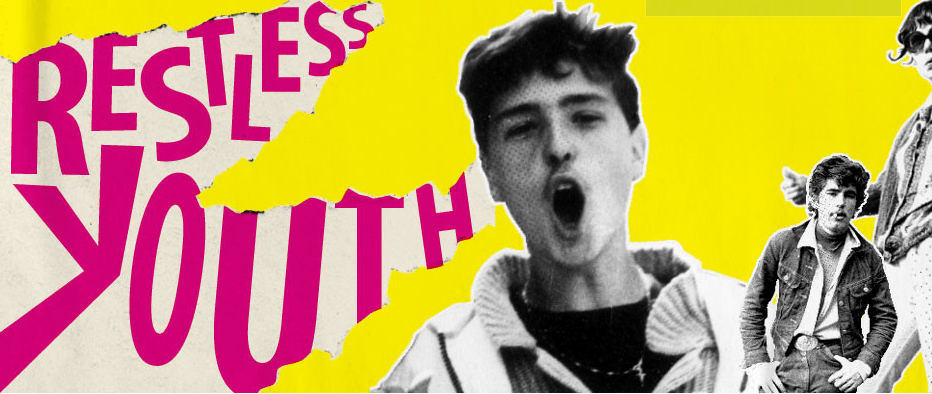
  • Restless Youth

In the past 70 years, young people in Europe have gone from being a group to whom history happened, to a group that actually makes history. This exhibition looks at four generations of such young people who came of age at key moments in the European story: the late 1940s, the 1960s, the 1980s and the 2000s. It explores the key experiences of youth; from education and employment, to forging an identity and finding love.

More information

The House of European History web site

Publicaciones relacionadas:

EUROPEANA: From earth goddess festival to family feast: the roots and guises of ‘Mother’s Day’ EU Prize for Literature 2019 winners announced LUX Prize: discover the finalists competing for Parliament’s film award Default ThumbnailAfrica-Europe cookbook: the ultimate diplomatic tool to bring two continents to the table Hombre esquimal sobre un trineo rodeado de nieveProtecting endangered languages, key to save millennia-old cultures

EU News culture,  History

“This is a space for debate. All comments, for or against publication, that are respectful and do not contain expressions that are discriminatory, defamatory or contrary to current legislation will be published”.

Reader Interactions

Leave a Reply Cancel reply

Your email address will not be published. Required fields are marked *

This site uses Akismet to reduce spam. Learn how your comment data is processed.

Primary Sidebar

Footer

  • CDE Almería
  • Biblioteca Nicolás Salmerón – Universidad de Almería
  • Planta: 1ª, Despacho: 1.05.0B.
  • Ctra. Sacramento s/n. Almería (Spain)
  • Teléfono: (+34) 950 015266

HOME
NEWS
DOCUMENTATION
EUROPE ON THE NET
ABOUT US

  • LEGAL NOTICE
  • PRIVACY POLICY
  • COOKIE POLICY
  • ACCESSIBILITY
  • SITEMAP

Copyright © 2026 CDE Almería · Creative Commons LicenseThis work is licensed under a Creative Commons Attribution-NonCommercial 4.0 International License.

<p>El Centro de Documentación Europea de la Universidad de Almería utiliza cookies propias y de terceros para facilitar al usuario la navegación en su página Web y el acceso a los distintos contenidos alojados en la misma. Asimismo, se utilizan cookies analíticas de terceros para medir la interacción de los usuarios con el sitio Web. Pinche el siguiente enlace si desea información sobre el uso de cookies y como deshabilitarlas. </p>

Politica de privacidad

El Centro de Documentación Europea de la Universidad de Almería utiliza cookies propias y de terceros para facilitar al usuario la navegación en su página Web y el acceso a los distintos contenidos alojados en la misma. Asimismo, se utilizan cookies analíticas de terceros para medir la interacción de los usuarios con el sitio Web. Pinche el siguiente enlace si desea información sobre el uso de cookies y como deshabilitarlas. <a href="/politica-de-cookies" rel="noopener" target="_blank">Más información</a>

Cookies estrictamente necesarias

Las cookies estrictamente necesarias tiene que activarse siempre para que podamos guardar tus preferencias de ajustes de cookies.

Básicamente la web no funcionara bien si no las activas.

Estas cookies son:

  • Comprobación de inicio de sesión.
  • Cookies de seguridad.
  • Aceptación/rechazo previo de cookies.
Cookies de terceros

Esta web utiliza Google Analytics, Google Tag Manager y Yandex Metrika para recopilar información anónima tal como el número de visitantes del sitio, o las páginas más populares.

Dejar estas cookies activas nos permite mejorar nuestra web.

Política de cookies

Pinche el siguiente enlace si desea información sobre el uso de cookies y como deshabilitarlas. Más información