• Skip to primary navigation
  • Skip to main content
  • Skip to primary sidebar
  • Skip to footer
  • Bluesky
  • Facebook
  • Instagram
  • Twitter
  • YouTube
CDE Almería – Centro de Documentación Europea – Universidad de Almería

CDE Almería - Centro de Documentación Europea - Universidad de Almería

Centro de Documentación Europea de la Universidad de Almería

  • HOME
  • WHAT´S ON
    • EU NEWS
    • Activities
    • EU Calls and Awards
    • Radio Program «Europe with You»
  • DOCUMENTATION
    • EU Media Collection
      • Web Space
      • MEDIATHEQUE REPOSITORY
  • Europe on the net
    • Institutions
    • EU Representation in Spain
    • European information network of Andalusia
  • ABOUT US
    • Presentation
    • Services
    • People
    • Contact
  • Spanish
  • English

Easier access to EU funding for rural areas thanks to EU Rural Toolkit

Inicio » EU News » Agriculture, Livestock Farming and Fisheries » Easier access to EU funding for rural areas thanks to EU Rural Toolkit

7 de February de 2024

The Commission launched a new interactive guide mapping all funding opportunities available at EU level for rural areas.
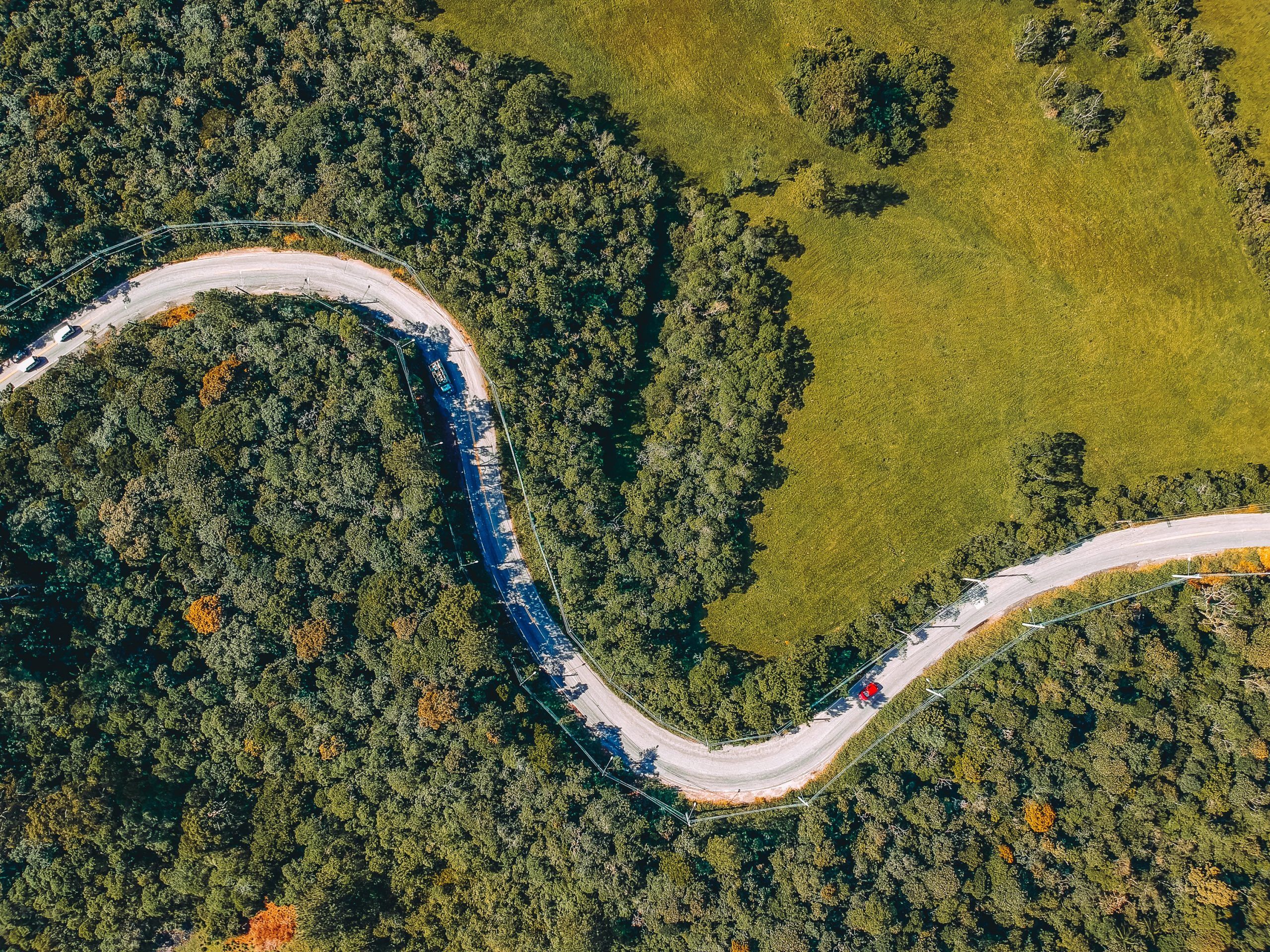
EU funds and programmes that can foster sustainable growth and well-being in rural areas abound. However, identifying the most appropriate option is not always straightforward for potential beneficiaries. The Rural toolkit gathers funding opportunities from 26 different EU funds, from the Common Agricultural Policy to Cohesion Funds, Horizon Europe and the Recovery and Resilience Facility. In just a few clicks, rural entrepreneurs and local authorities can find out the best funding available to help them develop their project.

This newly launched comprehensive gateway to EU funding and support initiatives available for rural areas in the EU aims to equip applicants with the knowledge and tools needed to address local needs. Beneficiaries may be local authorities, institutions, businesses, associations and individuals.

FUNDING AND SUPPORT FOR RURAL AREAS IN ALL EU LANGUAGES

The new tool offers automatic translations in all EU languages. An interactive funding finder allows users to filter existing schemes based on several criteria:

  • their role or organisation;
  • the activity they want to implement (for example, improving infrastructure, addressing societal challenges, strengthening the local economy, enhancing climate resilience and sustainability);
  • the type of support they are looking for: grants, financial instruments (such as loans and guarantees) or technical assistance likeadvisory services, training, mentoring programmes, support networks,etc.

After narrowing the choice to the most relevant options, key information about current programmes and initiatives is readily available in printable factsheets. These explain how each option is relevant for rural areas, and include practical details, links to calls and relevant contact points.
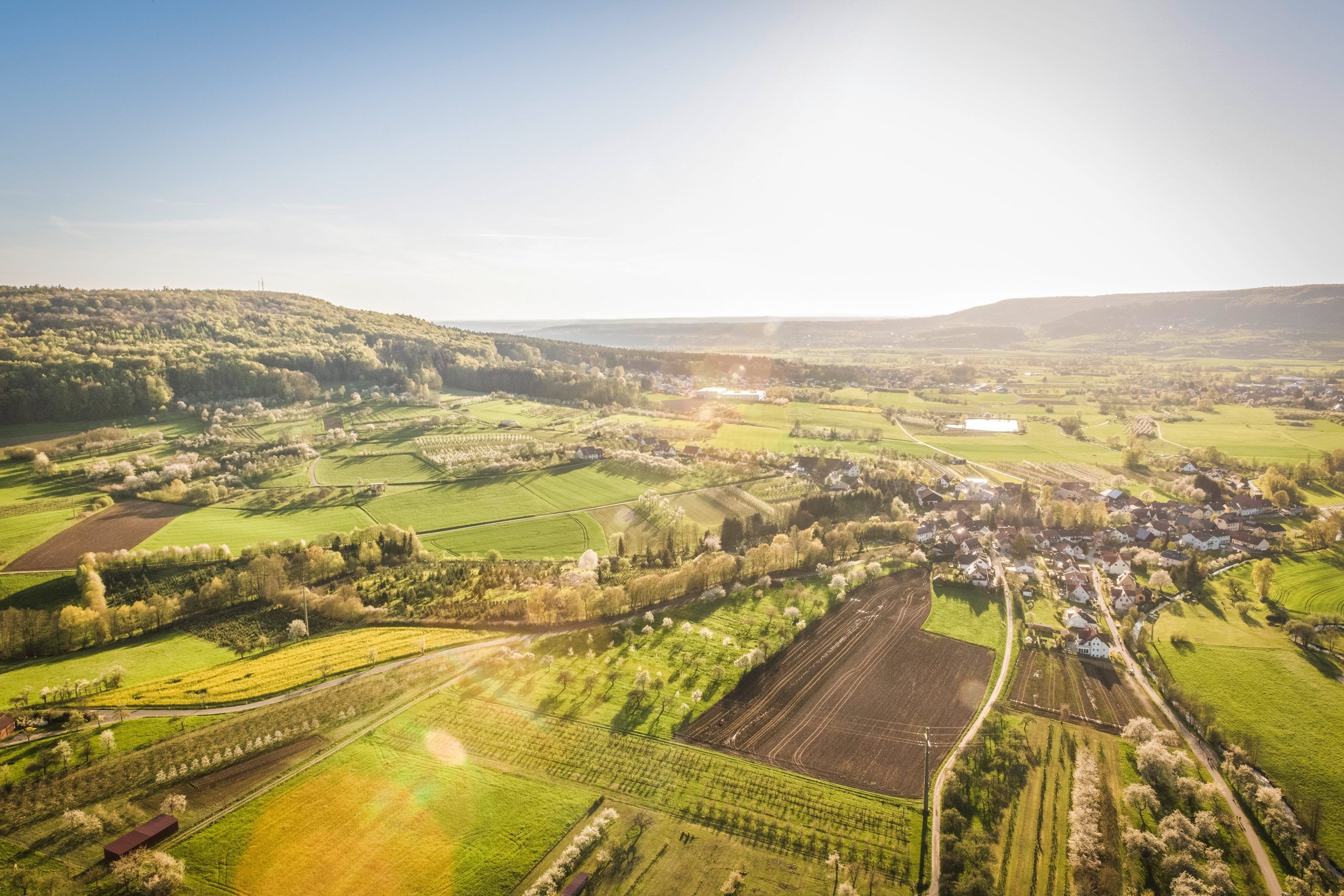
Thriving rural areas are key to the future of the EU

TIPS, GUIDANCE AND INSPIRING STORIES

The Rural toolkit also provides extensive guidance on how to make the most out of available opportunities. Users can get inspired and explore a wide range of examples and case studies, discovering how EU funds and support mechanisms have already been implemented successfully in rural areas across the EU. Many inspiring stories are displayed on a clickable map – for example, the Biovilla cooperative in Portugal has become a leading actor of sustainability and environmental protection, by promoting nature tourism, educational programmes and landscape restoration activities thanks to a combination of private and EU funds. Following a similar approach, the Meridaunia organisation in Italy has promoted rural, environmental and cultural tourism experiences, alongside local agricultural products, thus enhancing the competitiveness and reputation of the Monti Dauni area. In Romania, EU funds co-financed the setting up of a wooden toy manufacture that now exports around the world and created several jobs.

The resources section offers guidance documents, reports and manuals on EU funding opportunities for specific sectors, including broadband, culture, education, energy, environment and tourism. Additional background material can be consulted on the Frequent questions and About pages.

Background

The Rural toolkit is part of the Commission’s long-term vision for stronger, connected, resilient and prosperous rural areas in the EU.

EU’s rural areas cover 83% of the EU territory and are home to 30% of the EU population. In 2021, the European Commission presented its Long-term vision for the EU’s rural areas, identifying the challenges and concerns that they are facing as well as the many opportunities available to them. In addition to all the EU funds contributing to supporting prosperous rural areas, the vision relies for its implementation on two pillars that complement each other: the Rural Action Plan and the Rural Pact. The Action Plan puts forward four areas of action for the European Commission to prompt stronger, connected, resilient and prosperous EU rural areas. The Rural Pact is a framework for cooperation among authorities and stakeholders willing to act for rural development at the European, national, regional and local level.

Detailed statistics and analyses on the EU rural areas, covering economic, social and environmental aspects, are available on the Rural Observatory.

More information: European Commission

Rural vision

Rural Observatory

Rural Pact

Startup Village Forum

Publicaciones relacionadas:

área rural asturiasThe European Commission is committed to talent in rural areas Primer plano de una vaca gallega vista de perfilAgriculture: Commission approves new geographical indication for Spain Commission paves the way to improve the movement of mobile machinery on public roads across the EU Agroecology: 14 EU-funded projects that are helping to shape the future of agriculture Member States fail to reach qualified majority to renew or refuse glyphosate approval
Agriculture, Livestock Farming and Fisheries,  EU News Comision Europea,  EU funding,  EU Rural Toolkit,  European Commission,  rural areas

“This is a space for debate. All comments, for or against publication, that are respectful and do not contain expressions that are discriminatory, defamatory or contrary to current legislation will be published”.

Reader Interactions

Leave a Reply Cancel reply

Your email address will not be published. Required fields are marked *

This site uses Akismet to reduce spam. Learn how your comment data is processed.

Primary Sidebar

Footer

  • CDE Almería
  • Biblioteca Nicolás Salmerón – Universidad de Almería
  • Planta: 1ª, Despacho: 1.05.0B.
  • Ctra. Sacramento s/n. Almería (Spain)
  • Teléfono: (+34) 950 015266

HOME
NEWS
DOCUMENTATION
EUROPE ON THE NET
ABOUT US

  • LEGAL NOTICE
  • PRIVACY POLICY
  • COOKIE POLICY
  • ACCESSIBILITY
  • SITEMAP

Copyright © 2026 CDE Almería · Creative Commons LicenseThis work is licensed under a Creative Commons Attribution-NonCommercial 4.0 International License.

<p>El Centro de Documentación Europea de la Universidad de Almería utiliza cookies propias y de terceros para facilitar al usuario la navegación en su página Web y el acceso a los distintos contenidos alojados en la misma. Asimismo, se utilizan cookies analíticas de terceros para medir la interacción de los usuarios con el sitio Web. Pinche el siguiente enlace si desea información sobre el uso de cookies y como deshabilitarlas. </p>

Politica de privacidad

El Centro de Documentación Europea de la Universidad de Almería utiliza cookies propias y de terceros para facilitar al usuario la navegación en su página Web y el acceso a los distintos contenidos alojados en la misma. Asimismo, se utilizan cookies analíticas de terceros para medir la interacción de los usuarios con el sitio Web. Pinche el siguiente enlace si desea información sobre el uso de cookies y como deshabilitarlas. <a href="/politica-de-cookies" rel="noopener" target="_blank">Más información</a>

Cookies estrictamente necesarias

Las cookies estrictamente necesarias tiene que activarse siempre para que podamos guardar tus preferencias de ajustes de cookies.

Básicamente la web no funcionara bien si no las activas.

Estas cookies son:

  • Comprobación de inicio de sesión.
  • Cookies de seguridad.
  • Aceptación/rechazo previo de cookies.
Cookies de terceros

Esta web utiliza Google Analytics, Google Tag Manager y Yandex Metrika para recopilar información anónima tal como el número de visitantes del sitio, o las páginas más populares.

Dejar estas cookies activas nos permite mejorar nuestra web.

Política de cookies

Pinche el siguiente enlace si desea información sobre el uso de cookies y como deshabilitarlas. Más información