• Skip to primary navigation
  • Skip to main content
  • Skip to primary sidebar
  • Skip to footer
  • Bluesky
  • Facebook
  • Instagram
  • Twitter
  • YouTube
CDE Almería – Centro de Documentación Europea – Universidad de Almería

CDE Almería - Centro de Documentación Europea - Universidad de Almería

Centro de Documentación Europea de la Universidad de Almería

  • HOME
  • WHAT´S ON
    • EU NEWS
    • Activities
    • EU Calls and Awards
    • Radio Program «Europe with You»
  • DOCUMENTATION
    • EU Media Collection
      • Web Space
      • MEDIATHEQUE REPOSITORY
  • Europe on the net
    • Institutions
    • EU Representation in Spain
    • European information network of Andalusia
  • ABOUT US
    • Presentation
    • Services
    • People
    • Contact
  • Spanish
  • English

Member States fail to reach qualified majority to renew or refuse glyphosate approval

Inicio » EU News » Environmental Affairs » Member States fail to reach qualified majority to renew or refuse glyphosate approval

17 de November de 2023

Following an earlier vote in the Standing Committee on Plants, Animals, Food and Feed on 13 October, in which member states also failed to reach the majority needed to renew or reject the proposal, the European Commission has now decided to propose that the proposal should be rejected. Member States did not reach the required qualified majority to renew or reject the approval of glyphosate during a vote at the Appeal Committee.
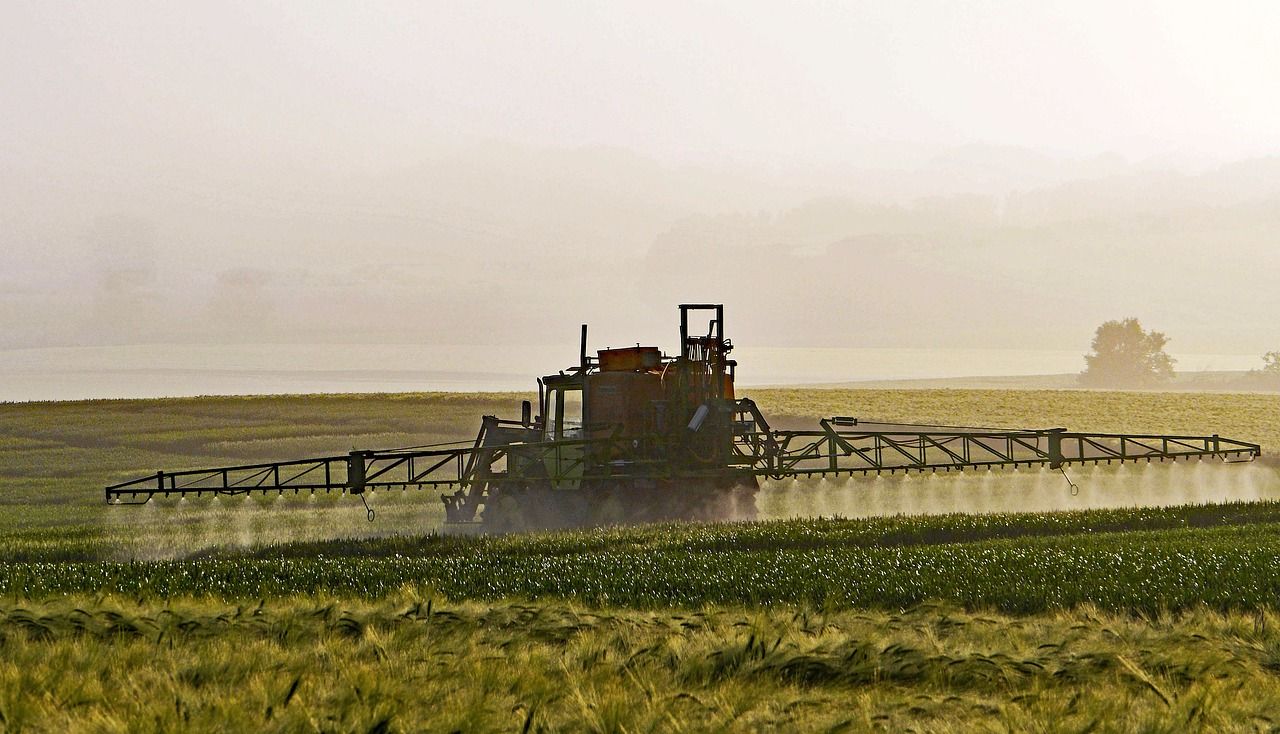
In line with EU legislation and in the absence of the required majority in either direction, the Commission is now obliged to adopt a decision before 15 December 2023 when the current approval period expires.  The Commission – based on comprehensive safety assessments carried out by the European Food Safety Authority (EFSA) and the European Chemicals Agency (ECHA), together with EU Member States – will now proceed with the renewal of the approval of glyphosate for a period of 10 years, subject to certain new conditions and restrictions. These restrictions include a prohibition of pre-harvest use as a desiccant and the need for certain measures to protect non-target organisms.

Member States are responsible for national authorisation of plant protection products (PPPs) containing glyphosate and continue to be able to restrict their use at national and regional level if they consider this necessary based on the outcome of risk assessments, particularly factoring in the need to protect biodiversity.

Agroecology: 14 EU-funded projects that are helping to shape the future of agriculture

More information: European Commission

Publicaciones relacionadas:
Agroecology: 14 EU-funded projects that are helping to shape the future of agriculture bandera de europaEnhancing EU resilience: A step forward to identify critical entities for key sectors Commission prepares new initiatives to boost the organic farming sector Education for a greener, more sustainable Europe: Share your ideas! Is a cow’s stomach the answer to breaking down hard-to-recycle plastic?



Agriculture, Livestock Farming and Fisheries,  Environmental Affairs,  EU News approval of glyphosate,  Comision Europea,  Comision Europea,  European Commission,  glyphosate,  member states

“This is a space for debate. All comments, for or against publication, that are respectful and do not contain expressions that are discriminatory, defamatory or contrary to current legislation will be published”.

Reader Interactions

Leave a Reply Cancel reply

Your email address will not be published. Required fields are marked *

This site uses Akismet to reduce spam. Learn how your comment data is processed.

Primary Sidebar

Footer

  • CDE Almería
  • Biblioteca Nicolás Salmerón – Universidad de Almería
  • Planta: 1ª, Despacho: 1.05.0B.
  • Ctra. Sacramento s/n. Almería (Spain)
  • Teléfono: (+34) 950 015266

HOME
NEWS
DOCUMENTATION
EUROPE ON THE NET
ABOUT US

  • LEGAL NOTICE
  • PRIVACY POLICY
  • COOKIE POLICY
  • ACCESSIBILITY
  • SITEMAP

Copyright © 2026 CDE Almería · Creative Commons LicenseThis work is licensed under a Creative Commons Attribution-NonCommercial 4.0 International License.

<p>El Centro de Documentación Europea de la Universidad de Almería utiliza cookies propias y de terceros para facilitar al usuario la navegación en su página Web y el acceso a los distintos contenidos alojados en la misma. Asimismo, se utilizan cookies analíticas de terceros para medir la interacción de los usuarios con el sitio Web. Pinche el siguiente enlace si desea información sobre el uso de cookies y como deshabilitarlas. </p>

Politica de privacidad

El Centro de Documentación Europea de la Universidad de Almería utiliza cookies propias y de terceros para facilitar al usuario la navegación en su página Web y el acceso a los distintos contenidos alojados en la misma. Asimismo, se utilizan cookies analíticas de terceros para medir la interacción de los usuarios con el sitio Web. Pinche el siguiente enlace si desea información sobre el uso de cookies y como deshabilitarlas. <a href="/politica-de-cookies" rel="noopener" target="_blank">Más información</a>

Cookies estrictamente necesarias

Las cookies estrictamente necesarias tiene que activarse siempre para que podamos guardar tus preferencias de ajustes de cookies.

Básicamente la web no funcionara bien si no las activas.

Estas cookies son:

  • Comprobación de inicio de sesión.
  • Cookies de seguridad.
  • Aceptación/rechazo previo de cookies.
Cookies de terceros

Esta web utiliza Google Analytics, Google Tag Manager y Yandex Metrika para recopilar información anónima tal como el número de visitantes del sitio, o las páginas más populares.

Dejar estas cookies activas nos permite mejorar nuestra web.

Política de cookies

Pinche el siguiente enlace si desea información sobre el uso de cookies y como deshabilitarlas. Más información