
EU-backed researchers explore how to transform public transport depots into renewable energy hubs.
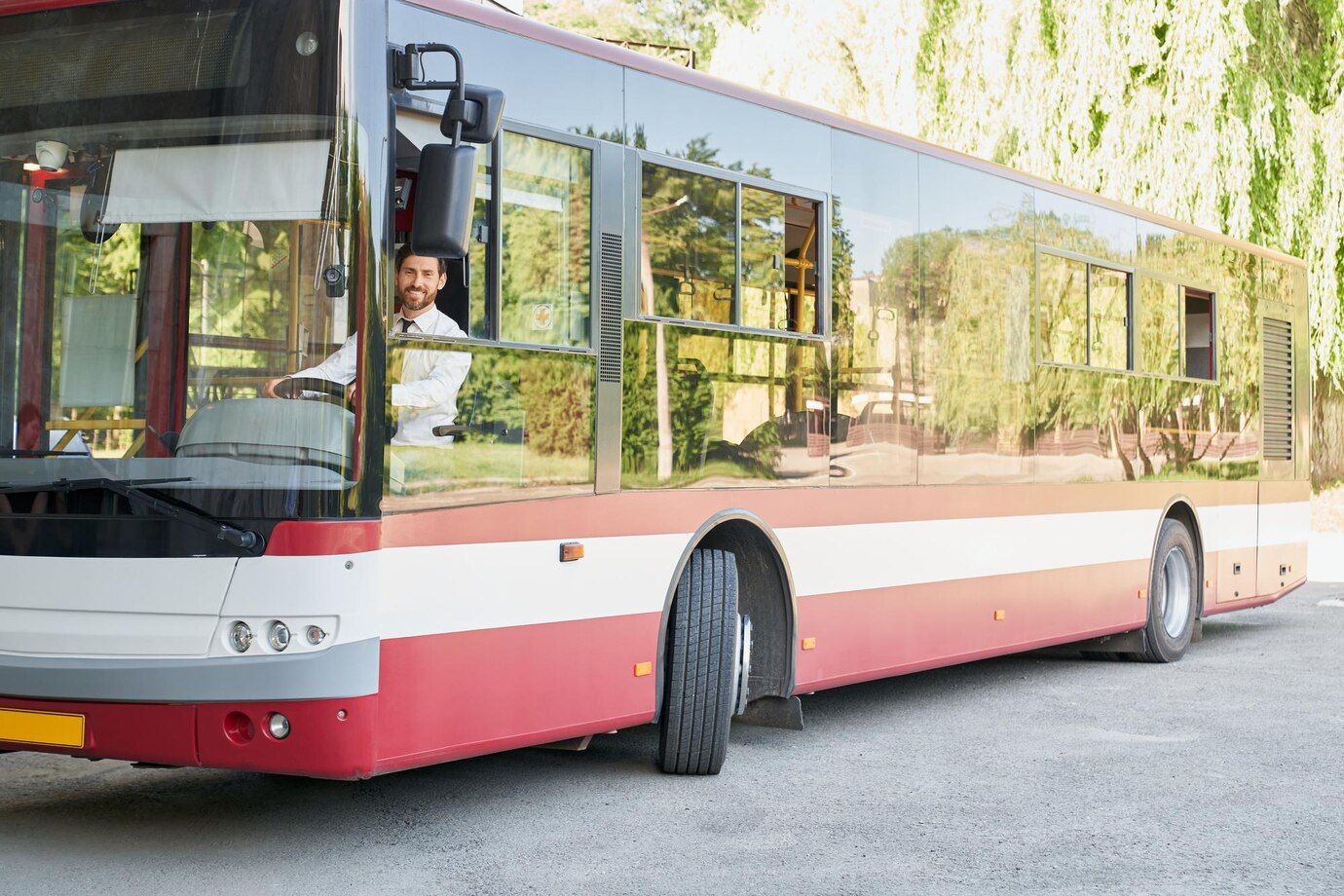
A new study carried out by an international research team investigates the technical, economic and environmental implications of changing public transport depots to renewable energy hubs. Supported in part by the EU-funded STORM and NAVIGATE projects, the study provides a model that cities around the world can follow to speed up their transition to sustainable transport and energy systems. The study focuses on China’s capital Beijing, which boasts the largest public transportation system in the world. The city has 27 000 buses in service, over 90 % of which are low- or no-emission battery-powered vehicles that recharge in one of the 700 bus depots spread across the city’s 16 800 square kilometres. The power needed to recharge these buses places a considerable burden on the region’s electrical grid, increasing the chance of brownouts and other disruptions.
Turning challenge into opportunity
This is the challenge facing cities such as Beijing as more and more electric buses are deployed. At the frequency with which such deployment takes place, power grids are often unable to keep up with demand. As reported in a news item posted on the website of the University of Utah, United States, engineering professor and study co-author Xiaoyue Cathy Liu views this challenge as an opportunity to solve the grid instability problem. She also believes it is a chance to develop a completely different approach to how public transportation systems are integrated into other parts of civic infrastructure. Her tool of choice is solar power. “Integrating onsite solar power generation and energy storage at bus depots introduces a brand new renewable energy production and management mode, transforming a public transport depot into an energy hub that produces more electricity than it consumes,” Liu remarks. The research team used a large-scale dataset with over 200 million global positioning system records from more than 20 000 buses in Beijing to explore whether the vehicles’ power requirements could be counterbalanced by locally generated solar power. They also analysed the economic impact of such an approach. “More than meeting demand, our simulations show that these depots could net out to be energy producers, further stabilizing the grid,” Liu states. The study shows that solar power reduces the grid’s net charging load by 23 % during electricity generation periods and cuts the net charging peak load by 8.6 %. These reductions become greater, increasing to 28 % and 37.4 %, respectively, if energy storage is integrated into the system. However, despite the evident benefits to the grid, adding battery storage lowers profits from 64 % to 31 % in the case of unsubsidised solar power. “We found energy storage to be the most expensive factor in the model, so smarter and strategic charging schedules would need to be implemented,” notes Liu. “That responsiveness is critical, as variable energy pricing schemes have such a large impact on the overall economics.”
The STORM (Smart freight TranspOrt and logistics Research Methodologies) and NAVIGATE (Next generation of AdVanced InteGrated Assessment modelling to support climaTE policy making) projects ended in 2023.
More information CORDIS.
Publicaciones relacionadas:
 Cutting emissions from planes and ships: EU actions explained
 Council of the European Union agrees on stricter standards for energy efficiency of buildings
 Motorised transport: train, plane, road or boat — which is greenest?
 EU cohesion policy: 77 million euros for green transport in Andalusia
 How do Europeans feel about self-driving cars?
Leave a Reply