• Skip to primary navigation
  • Skip to main content
  • Skip to primary sidebar
  • Skip to footer
  • Bluesky
  • Facebook
  • Instagram
  • Twitter
  • YouTube
CDE Almería – Centro de Documentación Europea – Universidad de Almería

CDE Almería - Centro de Documentación Europea - Universidad de Almería

Centro de Documentación Europea de la Universidad de Almería

  • HOME
  • WHAT´S ON
    • EU NEWS
    • Activities
    • EU Calls and Awards
    • Radio Program «Europe with You»
  • DOCUMENTATION
    • EU Media Collection
      • Web Space
      • MEDIATHEQUE REPOSITORY
  • Europe on the net
    • Institutions
    • EU Representation in Spain
    • European information network of Andalusia
  • ABOUT US
    • Presentation
    • Services
    • People
    • Contact
  • Spanish
  • English

16 Spanish projects will benefit from the prestigious Advanced Grants

Inicio » Noticias UE » Investigación e Innovación » Production » 16 Spanish projects will benefit from the prestigious Advanced Grants

5 de April de 2023

The European Research Council (ERC) has announced the award, within the Horizon Europe program, of 218 advanced grants to outstanding research projects; 16 of these have been allocated to leading projects being developed in Spanish centers.
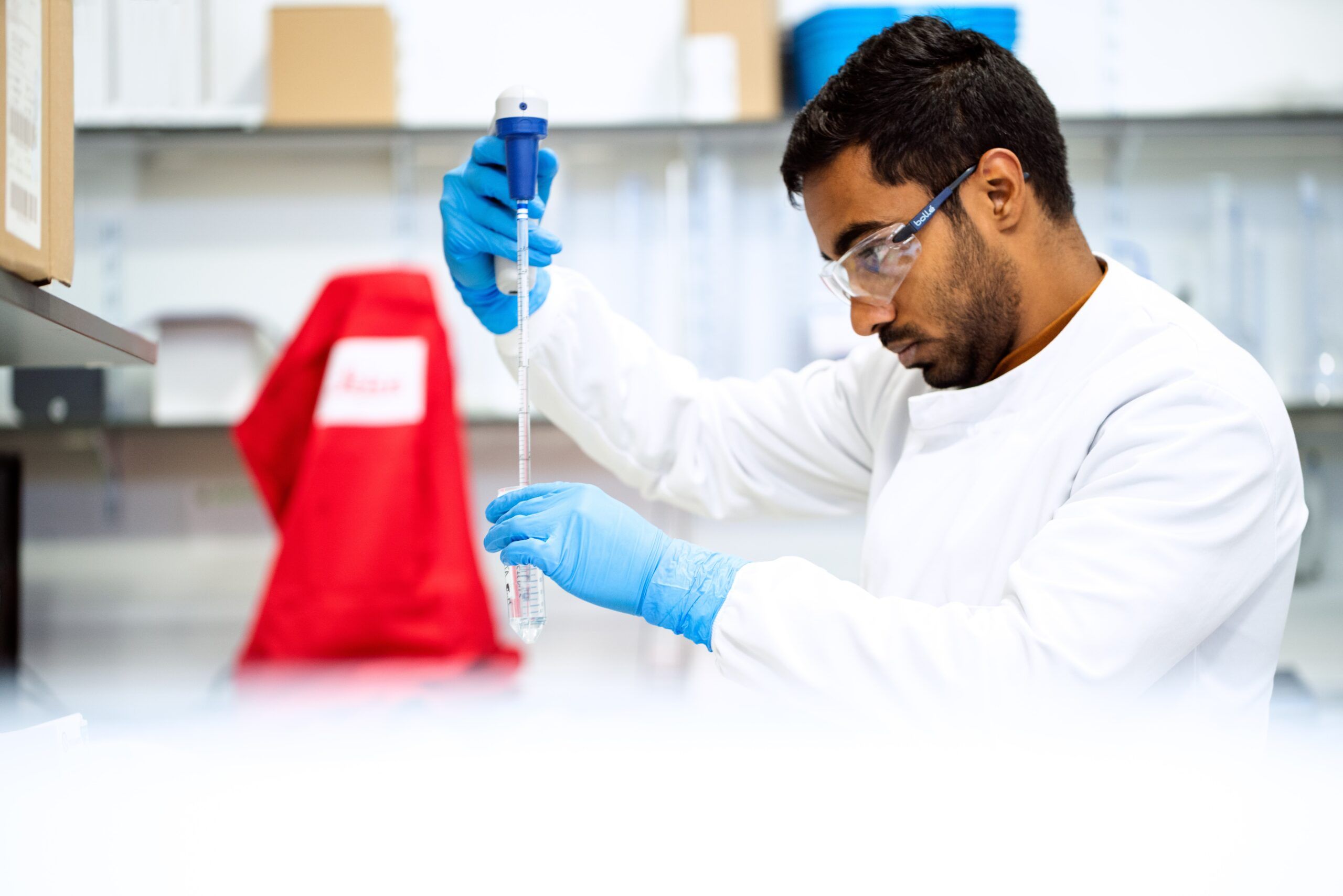
científico trabajando

Spain is the fifth country in terms of the number of researcher projects awarded grants, behind Germany, the United Kingdom, France and Israel. If we look at the nationality of the researchers, Spaniards would rank sixth with 15 Advanced Grant recipients. The grants, totaling 544 million euros, support cutting-edge research in a wide range of fields, such as medicine, physics, social sciences or humanities.

These ERC Advanced Grants are one of the most prestigious and competitive funding schemes in the EU and offer researchers the opportunity to pursue ambitious, curiosity-driven projects that could lead to major scientific breakthroughs. They are awarded to recognized researchers with a proven track record of significant research achievements over the past decade.

The funding will allow these researchers to explore their most innovative and ambitious ideas.
European Commission publishes regional competitiveness index: Spanish regions improve their performance


An example of a Spanish project: Understanding the causes of domestic violence in the EU

Domestic violence is a serious social problem. In the European Union, one in three women over the age of 15 has suffered physical or sexual violence by a partner or ex-partner. The aim of this research project proposed by Núria Rodríguez-Planas is to understand how different factors, such as motherhood, gender norms and increased income for low-wage working women, affect a woman’s risk of domestic violence. The long-term goal is to improve the health and well-being of women and their children in Europe.

In addition, the project will explore how women’s experiences of gender discrimination, as well as attitudes towards male hegemonic norms, may influence their risk of victimization. Finally, it will examine whether increasing income for vulnerable women helps prevent domestic violence in high-income countries.

Their research team will use a new approach to address this question. They will combine large population-based data sources and advanced quantitative methods to analyze information on large groups of people, rather than studying only small groups of women at high risk of victimization.

Núria Rodríguez-Planas is currently working as a professor at the City University of New York (CUNY), Queens College, and will conduct this research from Spain. She specializes in labor economics, educational economics, cultural economics, European labor markets and gender issues.

The award winners will carry out their projects at universities and research centers in 20 European countries, with the largest number of projects in Germany (37), the United Kingdom (35), France (32) and Spain (16). The winners come from 27 different nationalities, with the highest number of Germans (36 researchers), French (32), Italians (21) and British (19).

More information: European Research Council
Publicaciones relacionadas:

VOPSA-proyectos europeos-microalgasVOPSA2.0: The use of microalgae in cosmetics Mano pintada con la bandera de UcraniaEU sets up €20 million support for Ukrainian start-ups Open Innovation Test Beds to accelerate European innovation renaturalExtremadura boosts the building materials of the future with European support Colourful plastics to increase greenhouse production

EU News,  Production,  Research and Innovation European Union,  Funds,  Horizon Europe,  Research,  Spain,  Unión Europea

“This is a space for debate. All comments, for or against publication, that are respectful and do not contain expressions that are discriminatory, defamatory or contrary to current legislation will be published”.

Reader Interactions

Leave a Reply Cancel reply

Your email address will not be published. Required fields are marked *

This site uses Akismet to reduce spam. Learn how your comment data is processed.

Primary Sidebar

Footer

  • CDE Almería
  • Biblioteca Nicolás Salmerón – Universidad de Almería
  • Planta: 1ª, Despacho: 1.05.0B.
  • Ctra. Sacramento s/n. Almería (Spain)
  • Teléfono: (+34) 950 015266

HOME
NEWS
DOCUMENTATION
EUROPE ON THE NET
ABOUT US

  • LEGAL NOTICE
  • PRIVACY POLICY
  • COOKIE POLICY
  • ACCESSIBILITY
  • SITEMAP

Copyright © 2026 CDE Almería · Creative Commons LicenseThis work is licensed under a Creative Commons Attribution-NonCommercial 4.0 International License.

<p>El Centro de Documentación Europea de la Universidad de Almería utiliza cookies propias y de terceros para facilitar al usuario la navegación en su página Web y el acceso a los distintos contenidos alojados en la misma. Asimismo, se utilizan cookies analíticas de terceros para medir la interacción de los usuarios con el sitio Web. Pinche el siguiente enlace si desea información sobre el uso de cookies y como deshabilitarlas. </p>

Politica de privacidad

El Centro de Documentación Europea de la Universidad de Almería utiliza cookies propias y de terceros para facilitar al usuario la navegación en su página Web y el acceso a los distintos contenidos alojados en la misma. Asimismo, se utilizan cookies analíticas de terceros para medir la interacción de los usuarios con el sitio Web. Pinche el siguiente enlace si desea información sobre el uso de cookies y como deshabilitarlas. <a href="/politica-de-cookies" rel="noopener" target="_blank">Más información</a>

Cookies estrictamente necesarias

Las cookies estrictamente necesarias tiene que activarse siempre para que podamos guardar tus preferencias de ajustes de cookies.

Básicamente la web no funcionara bien si no las activas.

Estas cookies son:

  • Comprobación de inicio de sesión.
  • Cookies de seguridad.
  • Aceptación/rechazo previo de cookies.
Cookies de terceros

Esta web utiliza Google Analytics, Google Tag Manager y Yandex Metrika para recopilar información anónima tal como el número de visitantes del sitio, o las páginas más populares.

Dejar estas cookies activas nos permite mejorar nuestra web.

Política de cookies

Pinche el siguiente enlace si desea información sobre el uso de cookies y como deshabilitarlas. Más información