• Skip to primary navigation
  • Skip to main content
  • Skip to primary sidebar
  • Skip to footer
  • Bluesky
  • Facebook
  • Instagram
  • Twitter
  • YouTube
CDE Almería – Centro de Documentación Europea – Universidad de Almería

CDE Almería - Centro de Documentación Europea - Universidad de Almería

Centro de Documentación Europea de la Universidad de Almería

  • HOME
  • WHAT´S ON
    • EU NEWS
    • Activities
    • EU Calls and Awards
    • Radio Program «Europe with You»
  • DOCUMENTATION
    • EU Media Collection
      • Web Space
      • MEDIATHEQUE REPOSITORY
  • Europe on the net
    • Institutions
    • EU Representation in Spain
    • European information network of Andalusia
  • ABOUT US
    • Presentation
    • Services
    • People
    • Contact
  • Spanish
  • English

What is the EU doing to manage waste better?

Inicio » EU News » Environmental Affairs » What is the EU doing to manage waste better?

1 de April de 2025

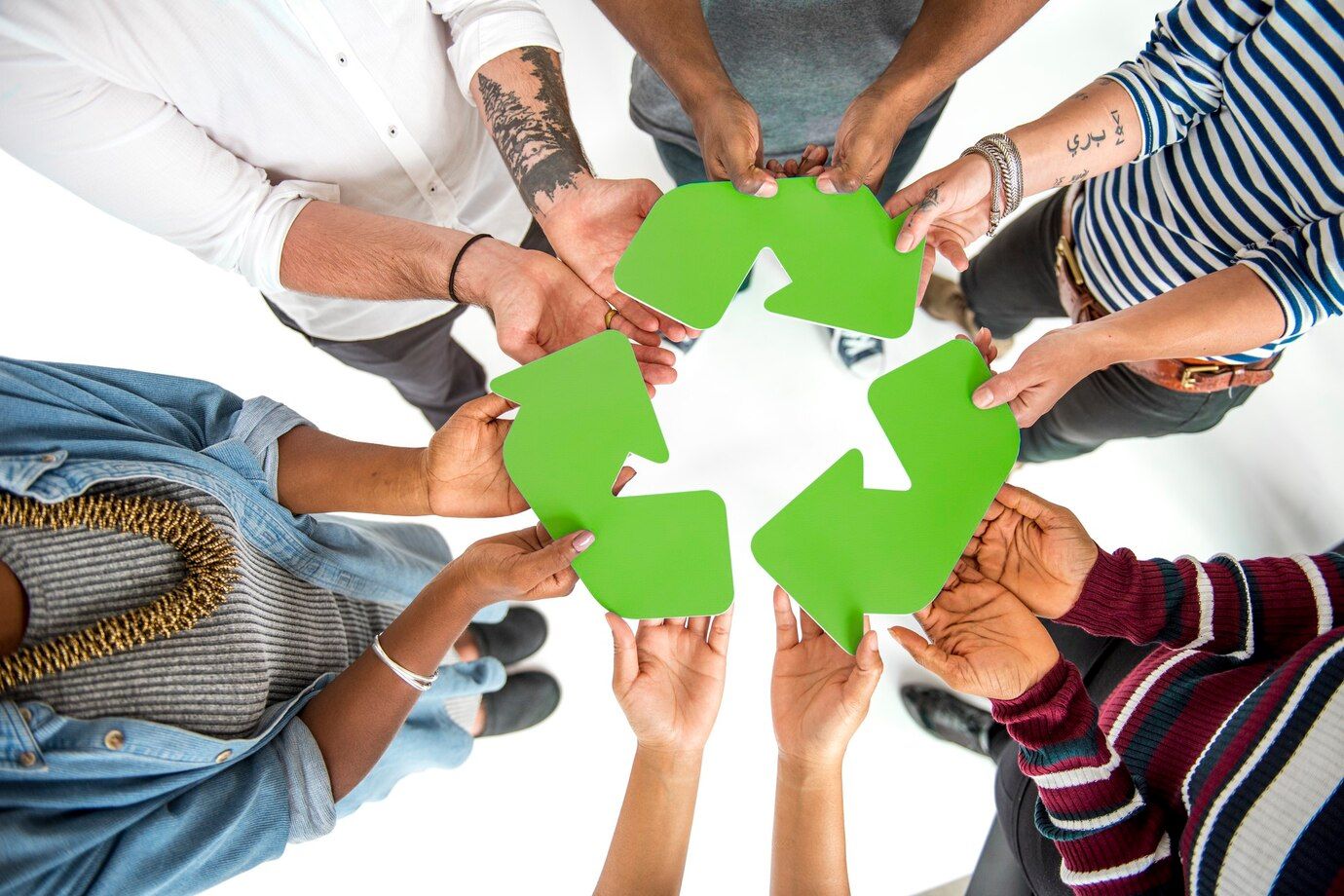
Every year on 30 March, International Day of Zero Waste raises awareness about the importance of managing waste responsibly and encouraging sustainable consumption and production. In the EU, the average person produces 511kg of waste each year and only 38% of waste is recycled. This is a serious challenge and the EU is taking action to address it.

Three main objectives govern the EU’s approach to managing waste:

  • improving waste management
  • pushing innovation in recycling
  • limiting landfilling

The Waste Framework Directive is the EU’s legal framework for treating and managing waste in the EU. It introduces an order of preference for waste management called the “waste hierarchy”, where prevention is the preferred option and disposal is the last resort. There are also many more targeted EU rules on everything from batteries to biodegradable waste and from shipping to end-of-life vehicles.

In February, EU rules on packaging and packaging waste took effect. These seek to reduce the use of single-use plastics that lead to massive environmental litter. This includes, for example, small plastic containers for condiments, sauces, sugar and coffee creamers, that are used only once and then thrown away and for which alternatives should be sought.

Work towards a more circular and resilient economy is not only about environmental sustainability – equally importantly it is about boosting the EU’s competitiveness. Looking ahead, and to help create market demand for secondary materials and a single market for waste, the Commission is planning a new Circular Economy Act that is scheduled in 2026.

More information: European Commission

Publicaciones relacionadas:

The Commission pays an advance of EUR 100 million to Spain for the recovery after the DANA Building a Climate-Resilient Future – A new EU Strategy on Adaptation to Climate Change Global emissions cuts in line with Paris Agreement mean near-term benefits for Earth First LIFE Call for Proposals 2021 opened Default ThumbnailJRC launches new tool to explore the future of European energy

Environmental Affairs,  EU News Awareness,  Consumption,  European Commission,  European Union,  News,  recycle,  waste

“This is a space for debate. All comments, for or against publication, that are respectful and do not contain expressions that are discriminatory, defamatory or contrary to current legislation will be published”.

Reader Interactions

Leave a Reply Cancel reply

Your email address will not be published. Required fields are marked *

This site uses Akismet to reduce spam. Learn how your comment data is processed.

Primary Sidebar

Footer

  • CDE Almería
  • Biblioteca Nicolás Salmerón – Universidad de Almería
  • Planta: 1ª, Despacho: 1.05.0B.
  • Ctra. Sacramento s/n. Almería (Spain)
  • Teléfono: (+34) 950 015266

HOME
NEWS
DOCUMENTATION
EUROPE ON THE NET
ABOUT US

  • LEGAL NOTICE
  • PRIVACY POLICY
  • COOKIE POLICY
  • ACCESSIBILITY
  • SITEMAP

Copyright © 2026 CDE Almería · Creative Commons LicenseThis work is licensed under a Creative Commons Attribution-NonCommercial 4.0 International License.

<p>El Centro de Documentación Europea de la Universidad de Almería utiliza cookies propias y de terceros para facilitar al usuario la navegación en su página Web y el acceso a los distintos contenidos alojados en la misma. Asimismo, se utilizan cookies analíticas de terceros para medir la interacción de los usuarios con el sitio Web. Pinche el siguiente enlace si desea información sobre el uso de cookies y como deshabilitarlas. </p>

Politica de privacidad

El Centro de Documentación Europea de la Universidad de Almería utiliza cookies propias y de terceros para facilitar al usuario la navegación en su página Web y el acceso a los distintos contenidos alojados en la misma. Asimismo, se utilizan cookies analíticas de terceros para medir la interacción de los usuarios con el sitio Web. Pinche el siguiente enlace si desea información sobre el uso de cookies y como deshabilitarlas. <a href="/politica-de-cookies" rel="noopener" target="_blank">Más información</a>

Cookies estrictamente necesarias

Las cookies estrictamente necesarias tiene que activarse siempre para que podamos guardar tus preferencias de ajustes de cookies.

Básicamente la web no funcionara bien si no las activas.

Estas cookies son:

  • Comprobación de inicio de sesión.
  • Cookies de seguridad.
  • Aceptación/rechazo previo de cookies.
Cookies de terceros

Esta web utiliza Google Analytics, Google Tag Manager y Yandex Metrika para recopilar información anónima tal como el número de visitantes del sitio, o las páginas más populares.

Dejar estas cookies activas nos permite mejorar nuestra web.

Política de cookies

Pinche el siguiente enlace si desea información sobre el uso de cookies y como deshabilitarlas. Más información