
The European PRIMA programme, an initiative for the development of more sustainable agri-food systems in the Mediterranean region, could be extended until 2027, three years more than initially planned, following the agreement reached to negotiate the extension.

Since its launch in 2018 within the framework of the Horizon 2020 Framework Programme, the Partnership for Research and Innovation in the Mediterranean Region (PRIMA has established itself as an effective instrument for scientific collaboration in the Mediterranean, according to the mid-term evaluation report published on 31 May.
The Permanent Representatives Committee (Coreper) has this month approved the negotiating mandate for the extension of PRIMA, after the member states and the Commission reached agreement on the text to extend the programme until 2027.
The continuity of the programme is one of the main objectives of the Spanish presidency, which will seek to speed up the approval procedures and achieve the definitive ratification of the text before the end of the year, as acting Minister for Science and Innovation Diana Morant assured the European Parliament’s Committee on Industry, Research and Energy.
In Morant’s words, the PRIMA programme “enables the fight against inequalities and generates knowledge and capacities of high added value in critical areas for the region and in areas susceptible to climate change and natural disasters”.
“PRIMA is a classically European research and innovation instrument, fundamental for the Mediterranean region, and is an example of the scientific diplomacy that is so necessary today and focused on the Middle East and North Africa”, said the acting Minister for Science and Innovation.
The importance of promoting science diplomacy, and the PRIMA programme in particular, was one of the central themes of the informal ministerial meeting on Competitiveness (Research), which took place on 28 July in Santander.
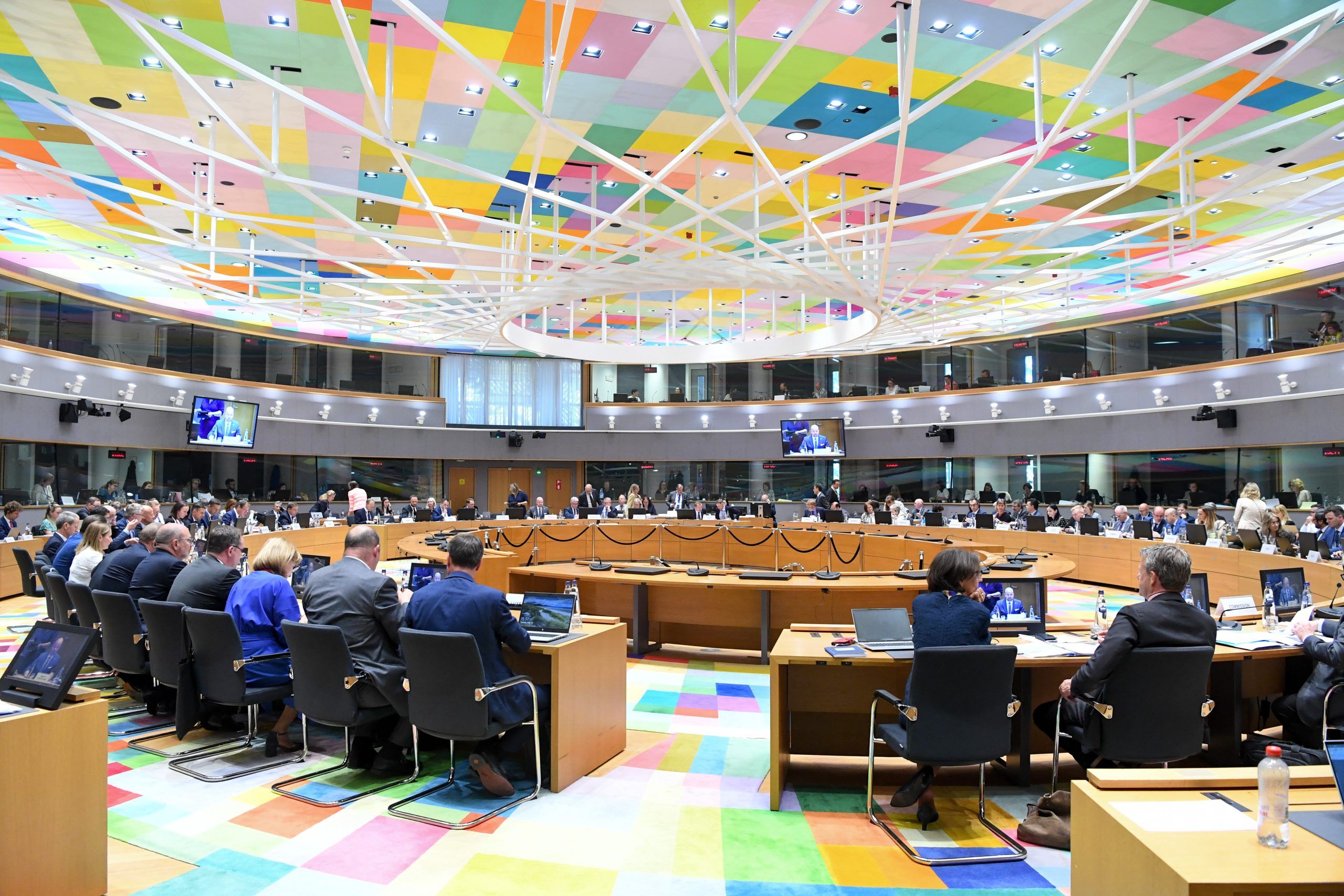
EU agriculture ministers discuss food safety and waste aspects of packaging rules |
Extension of the programme
At the end of June, the European Commission submitted the proposal for a decision of the European Parliament and of the Council on the continuation of the EU’s participation in PRIMA.
The proposal, which is an amendment to EU decision 2017/1324, aims to maintain funding for the programme until 2027, with a budget that will come from both the Horizon Europe Framework Programme and financial contributions from the nineteen participating states:
- Eleven Member States of the EU: Germany, Cyprus, Croatia, Slovenia, Spain, France, Greece, Italy, Luxembourg, Malta and Portugal.
- Three countries partnered with the Horizon 2020 and Horizon Europe framework programmes: Israel, Tunisia and Turkey.
- Five third countries not associated to Horizon 2020 or Horizon Europe: Algeria, Egypt, Jordan, Lebanon and Morocco.
More information: Spanish Presidency of the Council of the European Union
Publicaciones relacionadas:
 The Commission proposes to mobilise additional EU funding for EU farmers impacted by adverse climatic events
 Informal ministerial meeting on agriculture 3 – 5 September 2023
 Meet the winners of the second edition of the EU Organic Awards
 Healthy Agricultural Soils: 24 EU countries coordinate unprecedented research programme
 Coronavirus: Commission announces further measures to support the agri-food sector
Leave a Reply