
Emphasising the sense of urgency of achieving the fundamental and ambitious goals set out in the Strategic Compass without delay, CHODs committed themselves to building a militarily strong and capable EU, now.
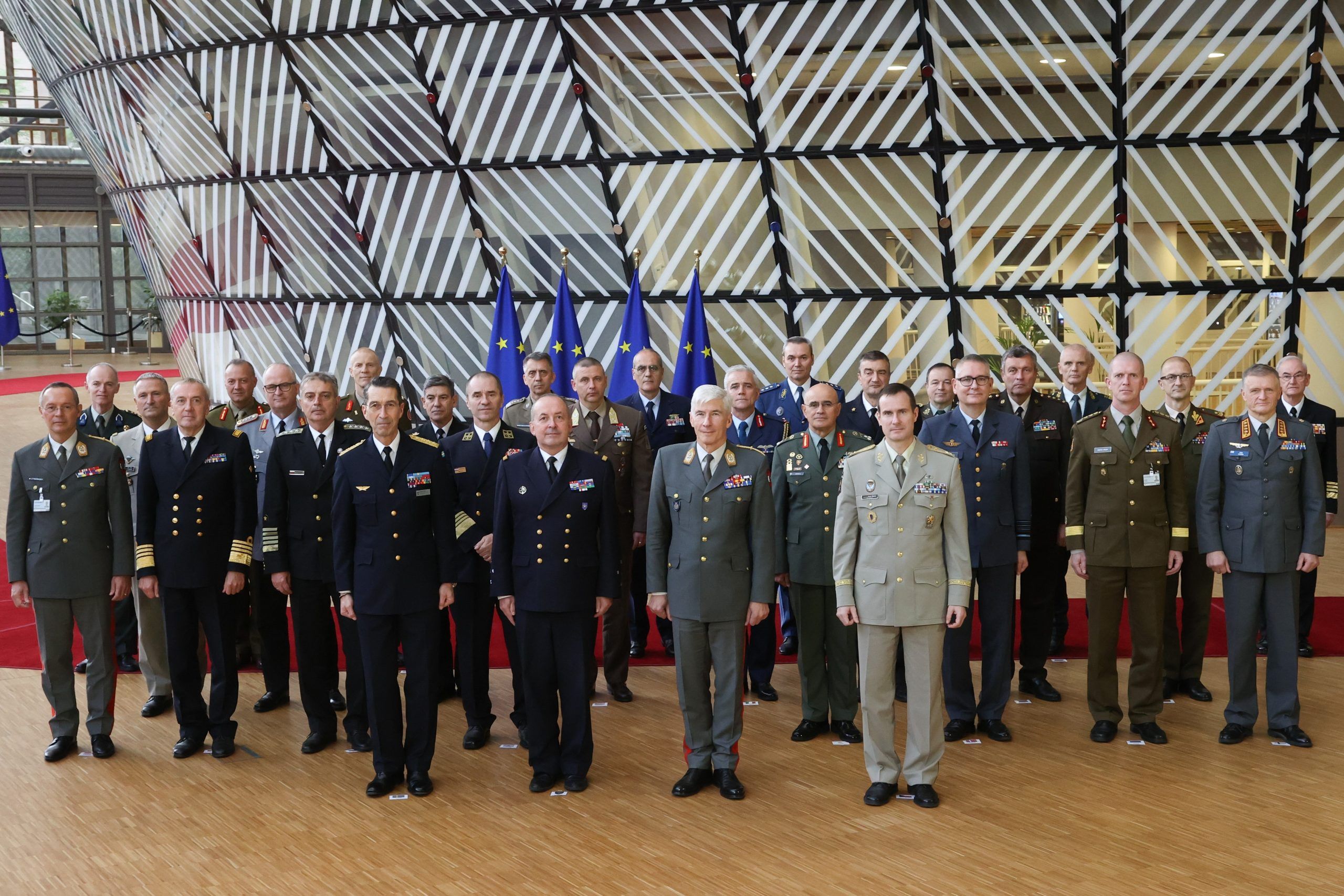
The agenda covered all most pressing issues in the defence and security domain, starting with the implementation of the EU Rapid Deployment Capacity (RDC), the key military contribution to a successful implementation of the Strategic Compass. CHODs also recalled the importance of exercising this capacity soon, starting in 2023, in order to identify lessons and react accordingly. The objective remains to achieve the full capacity to project security autonomously, when and where needed, by 2025 and in accordance with agreed scenarios.
Also related to the RDC, CHODs discussed ways to enhance the EU Command and Control structure in order to support the ambitions set out in the Strategic Compass with robust, secure and complete technological solutions for communications.
But enhancing communications is not the only area of capabilities CHODs committed themselves to. It is also necessary to address other capability gaps by making the best use of existing EU instruments and joint collaborative projects, such as PESCO, as a privileged framework of cooperation, and CARD, in its “pathfinder” role.
All in all, CHODs noted the need to support common solutions towards EU Strategic Autonomy, in synergy with all our partners, and develop robust and cutting-edge military capabilities, as well as strategic enablers.
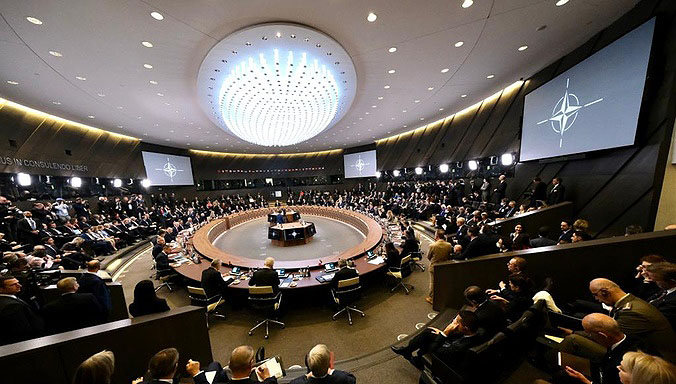
Discussing with NATO counterparts in a specific session, CHODs confirmed that the Military Mobility project remains an essential work-strand for both EU and NATO. To meet the growing demand for security and defence, as exemplified by the current Russian aggression against Ukraine, CHODs re-emphasised the need for capabilities and capacities, infrastructure, rules and procedures to grant troops the flexibility and agility to move across the EU. Further and more substantial cooperation between the two organization was strongly encouraged.
¿Statement by NATO Heads of State and Government
|
Another very relevant topic of discussion was the future of CSDP Operations and Missions, which necessitate sufficient resources and financial support by MS. CHODs agreed to continue strengthening EU CSDP missions and operations and to increase their effectiveness, constantly adapting and revising missions and operations, or even terminating them if required. In this respect, the military assessment by the commanders on the ground is essential and should properly and timely feed the decision-making process.
CHODs stressed that all future missions and operations should serve the EU strategic interests, provide a real benefit to the local partners based on their concrete requests, and make full use of all available EU CSDP tools.
Concerning Bosnia and Herzegovina, CHODs underlined the necessity for a continued executive and EU-led military presence in the region.
They also confirmed the importance of the recently approved EU Military Assistance Mission for Ukraine (EUMAM Ukraine) as an important step towards a more sustainable approach in supporting the Ukrainian Armed Forces (UAF).
Lat but not least, in regard to the need of an effective CSDP engagement in Africa, CHODs underlined the importance of an enduring commitment, taking into account the lessons learned from all EU Missions and Operations (EUTM Mali and EUTM RCA in particular) for all future activities.
The EUMC is composed of the CHODs of the 27 Member States, who are regularly represented by their permanent Military Representatives (MilReps). The EUMC provides advice and recommendations to the Political and Security Committee (PSC) on all relevant military matters.
The EUMC has a permanent Chairman, selected by the Chiefs of Defence of the Member States and appointed by the Council for three years.
Source: Meeting – European Council
Publicaciones relacionadas:
 EU agrees on new rules to strengthen the security and resilience of critical entities
 Russia’s aggression against Ukraine: the EU targets additional 54 individuals and 10 entities
 New sanctions package for Russia
 High-level Military Mobility Symposium discussed way ahead
 Spanish government calls on Russia to put an immediate end to military invasion of Ukraine
Leave a Reply