
Parliament calls for a coordinated strategy to increase the EU’s resilience to foreign interference and information manipulation and protect the 2024 European elections .

Foreign interference, disinformation, and attacks on democracy are likely to continue in ever-greater numbers and to become more sophisticated in the run-up to the European Parliament elections in June 2024, say MEPs. The warning comes in a report by the Special Committee on Foreign Interference in all Democratic Processes in the European Union, including Disinformation, adopted by plenary by 469 votes for, 71 against and 75 abstentions.
In the text, MEPs highlight interference on online platforms, protection of critical infrastructure and strategic sectors, interference during electoral processes, covert funding of political activities by foreign actors and resilience to cyberattacks. The report focuses particularly on Russian and Chinese interference in the EU, in countries applying to join the EU, including the Western Balkans, and countries in the Global South.
Meddling in electoral processes
Parliament condemns the dangerous phenomenon of disinformation-for-hire, whereby providers offer disinformation services to government and non-government actors, for example over the dark web, to attack electoral processes. To counter prohibited financial transactions from non-EU countries entering the EU’s political system, MEPs urge the Commission to facilitate the tracking of donations and call on the member states to urgently address the issue of donations from third countries to national political parties.
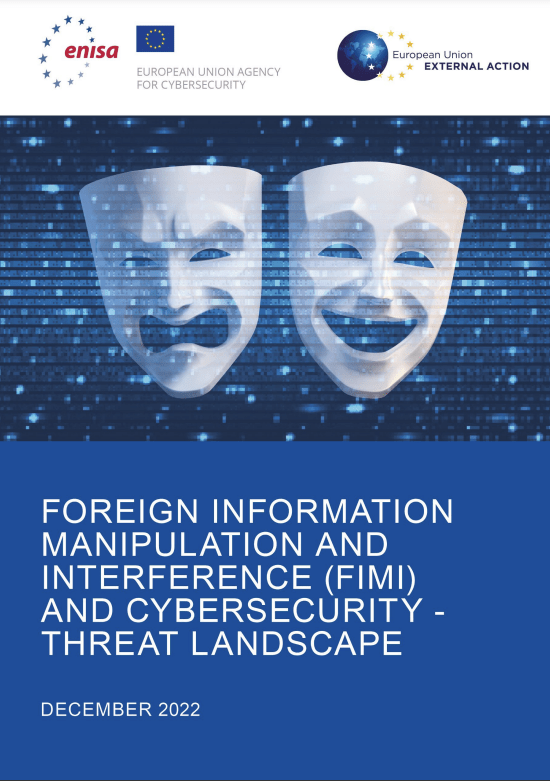
Foreign Information Manipulation Interference (FIMI) and Cybersecurity – Threat Landscape |
Critical infrastructure
MEPs also highlight the risks of economic dependence, espionage and sabotage, when foreign companies acquire influence over EU critical infrastructure. Chinese shipping companies have acquired majority or sizeable interests in over 20 European ports, they add . MEPs also recommend banning TikTok at all levels of national government and in the EU institutions and call on the Council and the Commission to exclude the use of equipment and software from manufacturers from high-risk countries, particularly China and Russia, such as ByteDance Huawei, ZTE, Kaspersky, NtechLab or Nuctech.
Coordinated EU strategy
Parliament wants a coordinated EU strategy to include new initiatives alongside improved enforcement of existing provisions, and calls for adequate funding to tackle disinformation and uphold democratic processes. MEPs are requesting the Commission to develop an effective Defence of Democracy Package together with legislation to counter hybrid threats in the EU, taking into account proposals from the Conference on the Future of Europe They also want a permanent European Parliament body to monitor and fight foreign interference.
In adopting this report, Parliament is responding to the expectations of EU citizens to step up the fight against foreign interferences and counter disinformation, online threats and propaganda in an objective and factual way –as expressed in Proposals 23(5), 27(all), 28(2), 33(4), 37(4), 46(2) of the conclusions of the Conference on the Future of Europe.
More information: European Parliament
Publicaciones relacionadas:
 Intensified judicial response to serious cross-border crimes
 Stop illegal live sports streaming, urge MEPs
 Use of artificial intelligence by the police: MEPs oppose mass surveillance
 MEPs want special court to try Russian crimes in Ukraine
 MEPs vote to speed up the freezing and confiscation of criminal assets
Leave a Reply