• Skip to primary navigation
  • Skip to main content
  • Skip to primary sidebar
  • Skip to footer
  • Bluesky
  • Facebook
  • Instagram
  • Twitter
  • YouTube
CDE Almería – Centro de Documentación Europea – Universidad de Almería

CDE Almería - Centro de Documentación Europea - Universidad de Almería

Centro de Documentación Europea de la Universidad de Almería

  • HOME
  • WHAT´S ON
    • EU NEWS
    • Activities
    • EU Calls and Awards
    • Radio Program «Europe with You»
  • DOCUMENTATION
    • EU Media Collection
      • Web Space
      • MEDIATHEQUE REPOSITORY
  • Europe on the net
    • Institutions
    • EU Representation in Spain
    • European information network of Andalusia
  • ABOUT US
    • Presentation
    • Services
    • People
    • Contact
  • Spanish
  • English

The breakdown of clumped tau proteins to cure Alzheimer’s disease

Inicio » EU News » The breakdown of clumped tau proteins to cure Alzheimer’s disease

26 de December de 2019

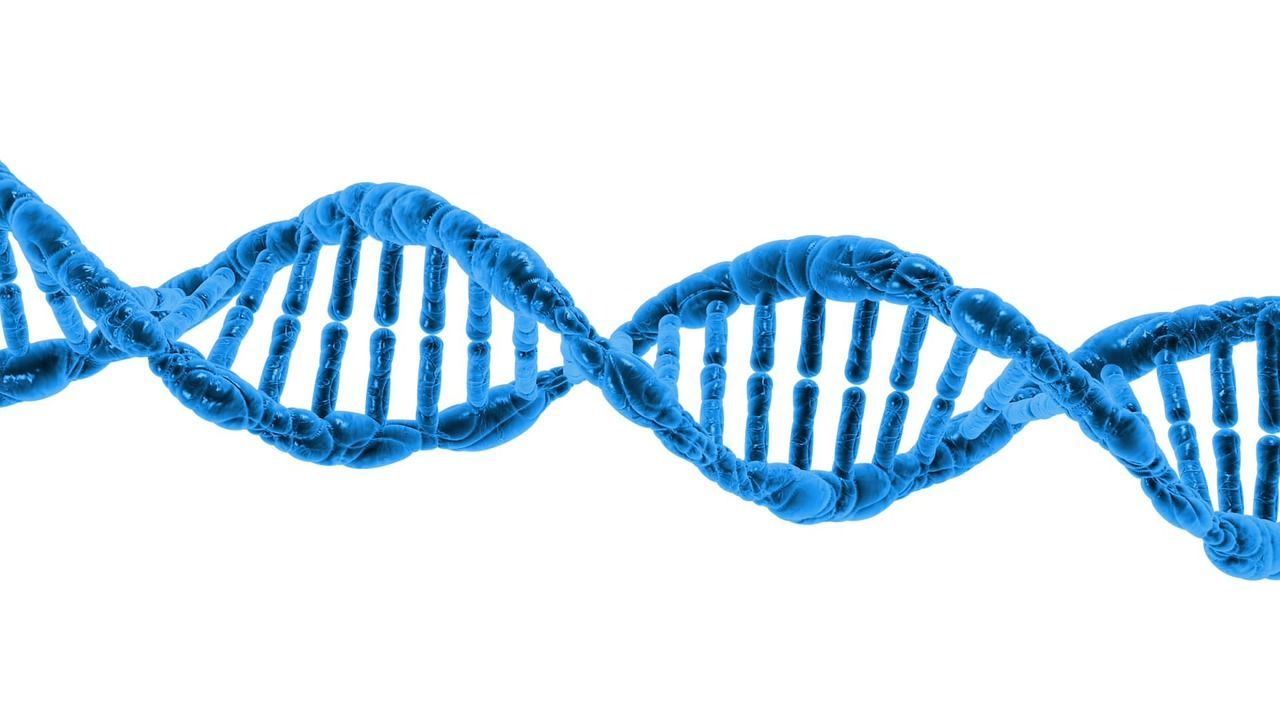
Proteins are the building blocks of the cell machinery but faulty structure can cause havoc as in Alzheimer’s disease. EU research is delving into how ‘clumps’ of an abnormal version of the tau protein present in this neurodegenerative disorder and find ways to disassemble them.

According to the World Health Organization, more than 47 million people worldwide are affected by dementia, with Alzheimer’s disease being the most common and widespread among them (60-70 %). One feature that Alzheimer’s patients have in common is the presence of rod-like structures known as amyloid fibrils. Composed of a protein tau in its aggregated form, these have also been implicated in a number of other neurodegenerative diseases (tauopathies). These include frontotemporal dementia, progressive supranuclear palsy and primary age-related tauopathy. In healthy neurons, the tau protein stabilises microtubules that help guide nutrients from the cell neuron body to the axon and dendrites. In Alzheimer’s disease, however, abnormal chemical changes cause tau to detach from microtubules and stick to other tau molecules, forming threads that eventually join to form tangles inside neurons. These tangles block the neuron’s transport system, which harms the synaptic communication between neurons. Despite major research efforts, the mechanism of tau aggregation and its pathogenic consequences are not yet understood. Therapeutics to cure these tauopathies, including Alzheimer’s disease, are urgently needed.

Untangling tau

Saurabh Gautam, post-doctoral Marie Skłodowska-Curie research fellow with the REVERSING TAUOPATHY project outlined the objective of the initiative: “Our goal at the Max Planck Institute of Biochemistry was to find out the conditions for dissolution of such protein aggregates in the human cellular model of tau ‘clumping’ or aggregation.” The mechanism and cellular machinery involved in the dissolution of these tau aggregates could lead to the development of lead compounds for new drugs. Preliminary work identified two main conditions when tau aggregates were disassembled. Starvation of the cell model using a medium devoid of amino acids – Earle’s Balanced Salt Solution – caused aggregate breakdown. Switching off the expression of the tau protein also caused disaggregation of the rogue protein. The researchers then used state-of-art techniques such as stable isotope labelling with amino acids in cell culture – SILAC based mass spectrometry, to identify the components of the cellular machinery involved in the dissolution of tau aggregates. “After screening various conditions with this popular method for quantitative proteomics, we were able to show that intracellular tau aggregates can be disassembled in the cells, a huge breakthrough,” Gautam declares.

More information

Full News

Publicaciones relacionadas:

Protein-rich legumes and quinoa in the plant-based food alternatives spotlight Mini robots to create patterns inspired by nature Brote verde sale de la tierra trabajadaCommission increases national support to farmers up to €25,000 Parliament to host conference on abolishing the death penalty The EC and the consumer protection authorities demand clear information on prices and discounts



EU News Alzheimer,  cure,  Protein

“This is a space for debate. All comments, for or against publication, that are respectful and do not contain expressions that are discriminatory, defamatory or contrary to current legislation will be published”.

Reader Interactions

Leave a Reply Cancel reply

Your email address will not be published. Required fields are marked *

This site uses Akismet to reduce spam. Learn how your comment data is processed.

Primary Sidebar

Footer

  • CDE Almería
  • Biblioteca Nicolás Salmerón – Universidad de Almería
  • Planta: 1ª, Despacho: 1.05.0B.
  • Ctra. Sacramento s/n. Almería (Spain)
  • Teléfono: (+34) 950 015266

HOME
NEWS
DOCUMENTATION
EUROPE ON THE NET
ABOUT US

  • LEGAL NOTICE
  • PRIVACY POLICY
  • COOKIE POLICY
  • ACCESSIBILITY
  • SITEMAP

Copyright © 2026 CDE Almería · Creative Commons LicenseThis work is licensed under a Creative Commons Attribution-NonCommercial 4.0 International License.

<p>El Centro de Documentación Europea de la Universidad de Almería utiliza cookies propias y de terceros para facilitar al usuario la navegación en su página Web y el acceso a los distintos contenidos alojados en la misma. Asimismo, se utilizan cookies analíticas de terceros para medir la interacción de los usuarios con el sitio Web. Pinche el siguiente enlace si desea información sobre el uso de cookies y como deshabilitarlas. </p>

Politica de privacidad

El Centro de Documentación Europea de la Universidad de Almería utiliza cookies propias y de terceros para facilitar al usuario la navegación en su página Web y el acceso a los distintos contenidos alojados en la misma. Asimismo, se utilizan cookies analíticas de terceros para medir la interacción de los usuarios con el sitio Web. Pinche el siguiente enlace si desea información sobre el uso de cookies y como deshabilitarlas. <a href="/politica-de-cookies" rel="noopener" target="_blank">Más información</a>

Cookies estrictamente necesarias

Las cookies estrictamente necesarias tiene que activarse siempre para que podamos guardar tus preferencias de ajustes de cookies.

Básicamente la web no funcionara bien si no las activas.

Estas cookies son:

  • Comprobación de inicio de sesión.
  • Cookies de seguridad.
  • Aceptación/rechazo previo de cookies.
Cookies de terceros

Esta web utiliza Google Analytics, Google Tag Manager y Yandex Metrika para recopilar información anónima tal como el número de visitantes del sitio, o las páginas más populares.

Dejar estas cookies activas nos permite mejorar nuestra web.

Política de cookies

Pinche el siguiente enlace si desea información sobre el uso de cookies y como deshabilitarlas. Más información