• Skip to primary navigation
  • Skip to main content
  • Skip to primary sidebar
  • Skip to footer
  • Bluesky
  • Facebook
  • Instagram
  • Twitter
  • YouTube
CDE Almería – Centro de Documentación Europea – Universidad de Almería

CDE Almería - Centro de Documentación Europea - Universidad de Almería

Centro de Documentación Europea de la Universidad de Almería

  • HOME
  • WHAT´S ON
    • EU NEWS
    • Activities
    • EU Calls and Awards
    • Radio Program «Europe with You»
  • DOCUMENTATION
    • EU Media Collection
      • Web Space
      • MEDIATHEQUE REPOSITORY
  • Europe on the net
    • Institutions
    • EU Representation in Spain
    • European information network of Andalusia
  • ABOUT US
    • Presentation
    • Services
    • People
    • Contact
  • Spanish
  • English

Plant health law: Council adopts improved rules to protect against plant pests

Inicio » Noticias UE » Agriculture, Livestock Farming and Fisheries » Plant health law: Council adopts improved rules to protect against plant pests

19 de November de 2024

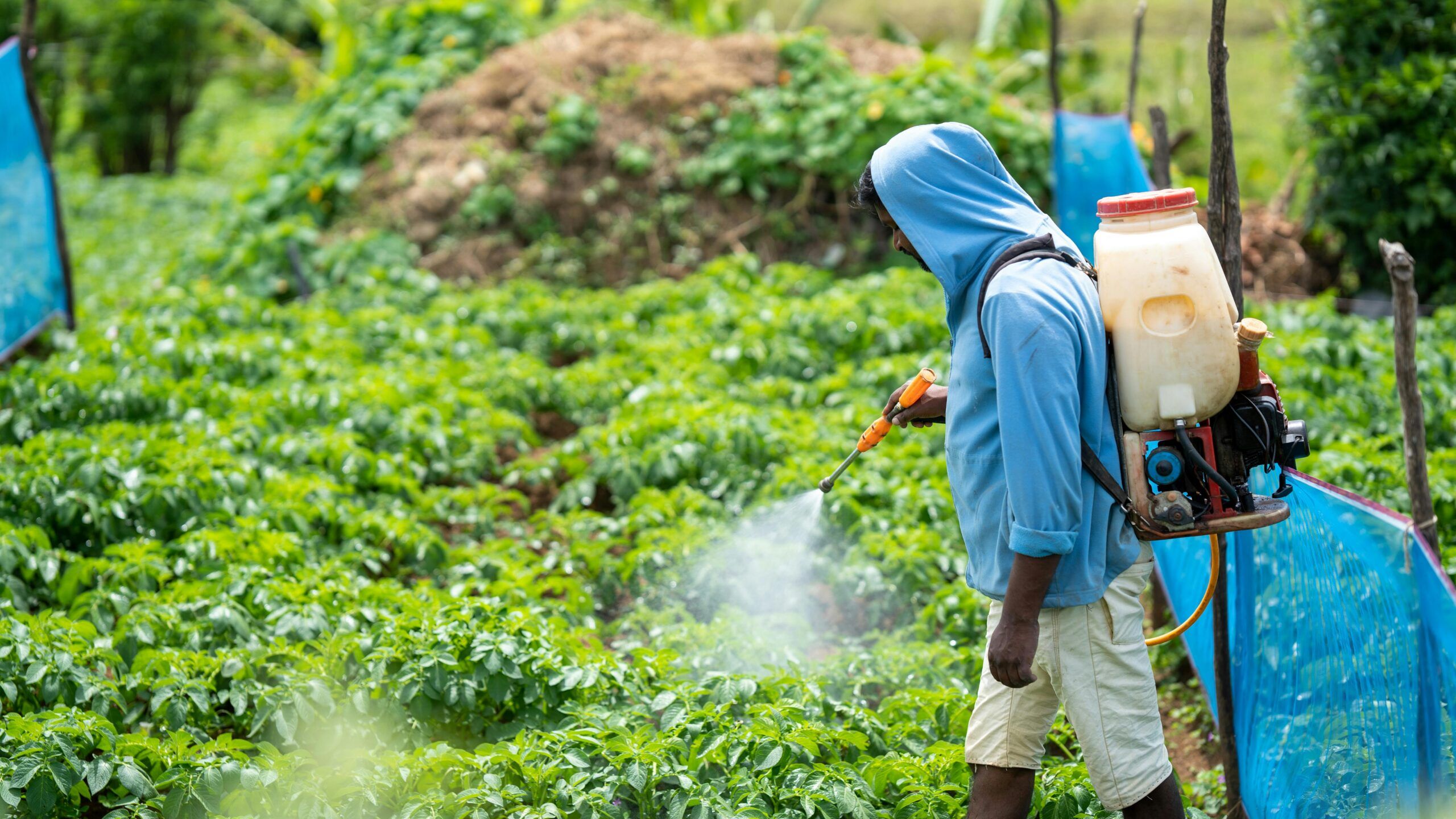
Today the Council has adopted a targeted revision of the EU plant health law, which improves the way the EU fights plant pests, ensures that the plants that enter the EU are safe, and simplifies procedures.
Main elements

One of the ways in which the revision improves the existing framework and better protects the health of plants is through the creation of a Union plant health emergency team. The team will be made up of experts specialised in plant health who can provide assistance in the event of new outbreaks of pests in the EU. The team can also provide neighbouring non-EU countries with urgent assistance and expertise in the case of outbreaks, with a view to preventing harmful plant pests from entering the EU.

Furthermore, the revised regulation reduces the administrative burden for competent authorities by increasing the duration of their multiannual survey programmes. These will now cover a period of five to ten years, instead of the current five to seven years. To ensure the timely detection of pests, these programmes are reviewed and updated when necessary, in order to respond efficiently to the phytosanitary situation.

Increased digitalisation will also cut red tape for operators and national authorities alike.

Next steps

The formal adoption today marks the final step in the ordinary legislative procedure.

The regulation will now be signed and published in the Official Journal of the EU. It will enter into force on the 20th day following its publication.

Background

The plant health law (regulation 2016/2031) is the basic legal framework for the EU’s plant health policy. It aims to prevent the entry and spread of new plant pests (so-called ‘Union quarantine pests’) and protect against pests already present in the EU (‘regulated non-quarantine pests’). It entered into application on 14 December 2019.

The Commission submitted its proposal for revising the existing rules on 17 October 2023, taking into account the experience gained by operators in the implementation of the plant health law.

The two co‑legislators, the Council and the European Parliament, reached an agreement on the final wording of the revised regulation on 5 March 2024.


More information: Council of the European Union

Publicaciones relacionadas:

AU-EU agrifood platform: reinforcing the link between the EU and African private sectors Commission prepares new initiatives to boost the organic farming sector Default ThumbnailLong-term vision for rural areas: stronger, connected, resilient, and prosperous premios agricultura ecológicaMeet the winners of the second edition of the EU Organic Awards campo10 ways EU Space helps fight global hunger


Agricultural Policies,  Agriculture, Livestock Farming and Fisheries,  EU News,  Farming activity council of the UE,  health,  Pest,  plants

“This is a space for debate. All comments, for or against publication, that are respectful and do not contain expressions that are discriminatory, defamatory or contrary to current legislation will be published”.

Reader Interactions

Leave a Reply Cancel reply

Your email address will not be published. Required fields are marked *

This site uses Akismet to reduce spam. Learn how your comment data is processed.

Primary Sidebar

Footer

  • CDE Almería
  • Biblioteca Nicolás Salmerón – Universidad de Almería
  • Planta: 1ª, Despacho: 1.05.0B.
  • Ctra. Sacramento s/n. Almería (Spain)
  • Teléfono: (+34) 950 015266

HOME
NEWS
DOCUMENTATION
EUROPE ON THE NET
ABOUT US

  • LEGAL NOTICE
  • PRIVACY POLICY
  • COOKIE POLICY
  • ACCESSIBILITY
  • SITEMAP

Copyright © 2026 CDE Almería · Creative Commons LicenseThis work is licensed under a Creative Commons Attribution-NonCommercial 4.0 International License.

<p>El Centro de Documentación Europea de la Universidad de Almería utiliza cookies propias y de terceros para facilitar al usuario la navegación en su página Web y el acceso a los distintos contenidos alojados en la misma. Asimismo, se utilizan cookies analíticas de terceros para medir la interacción de los usuarios con el sitio Web. Pinche el siguiente enlace si desea información sobre el uso de cookies y como deshabilitarlas. </p>

Politica de privacidad

El Centro de Documentación Europea de la Universidad de Almería utiliza cookies propias y de terceros para facilitar al usuario la navegación en su página Web y el acceso a los distintos contenidos alojados en la misma. Asimismo, se utilizan cookies analíticas de terceros para medir la interacción de los usuarios con el sitio Web. Pinche el siguiente enlace si desea información sobre el uso de cookies y como deshabilitarlas. <a href="/politica-de-cookies" rel="noopener" target="_blank">Más información</a>

Cookies estrictamente necesarias

Las cookies estrictamente necesarias tiene que activarse siempre para que podamos guardar tus preferencias de ajustes de cookies.

Básicamente la web no funcionara bien si no las activas.

Estas cookies son:

  • Comprobación de inicio de sesión.
  • Cookies de seguridad.
  • Aceptación/rechazo previo de cookies.
Cookies de terceros

Esta web utiliza Google Analytics, Google Tag Manager y Yandex Metrika para recopilar información anónima tal como el número de visitantes del sitio, o las páginas más populares.

Dejar estas cookies activas nos permite mejorar nuestra web.

Política de cookies

Pinche el siguiente enlace si desea información sobre el uso de cookies y como deshabilitarlas. Más información