
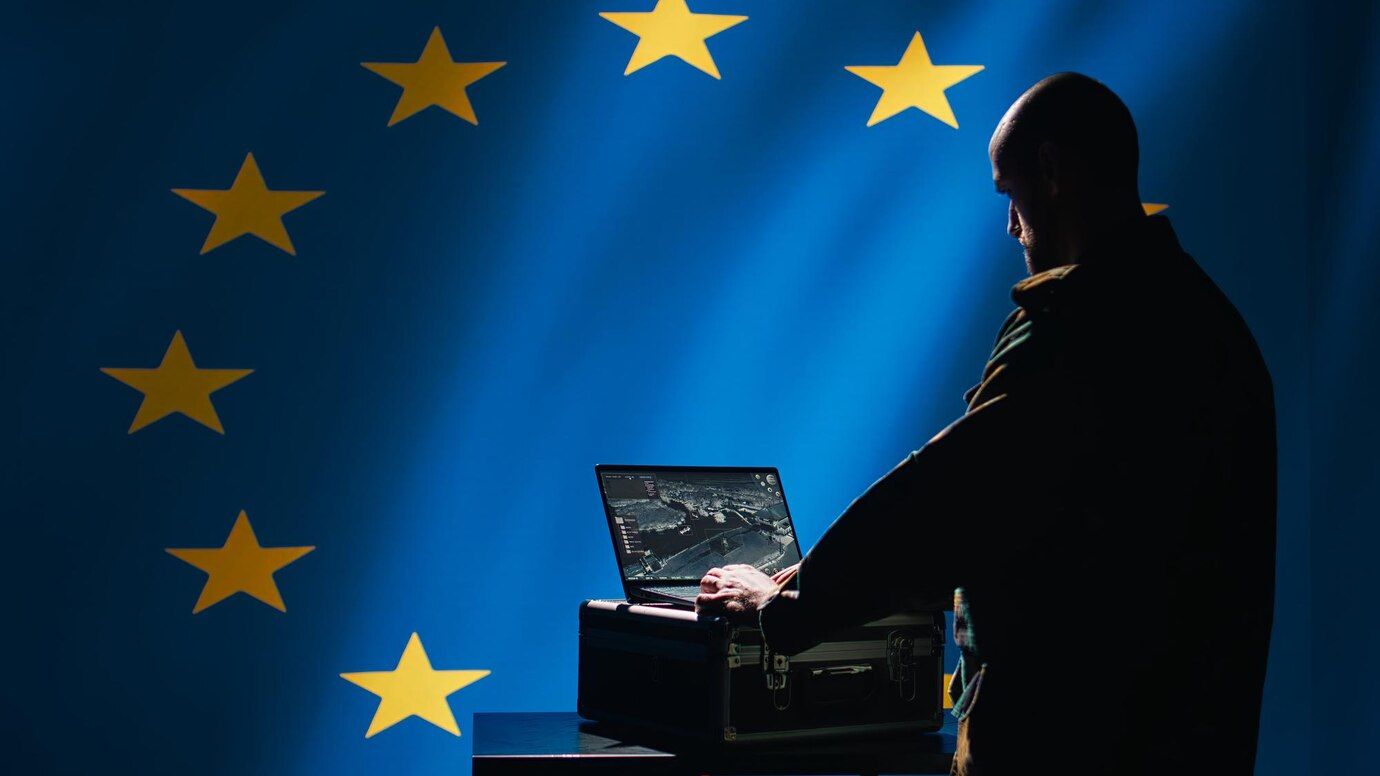
The EU is facing a turning point in its history, and “maintaining the status quo is no longer an option” in the face of attacks and threats to European security.
In a resolution adopted on Wednesday, Parliament urged the EU to act urgently to ensure its own security. This requires, according to MEPs, strengthening its partnerships with like-minded partners and significantly reducing its dependence on third countries for defense.
The long-awaited White Paper on the future of European defense, which the Commission and the High Representative plan to present next week, must propose concrete measures to the European Council to enable truly innovative efforts and actions “similar to those used in wartime,” say MEPs, who also welcome the ReArm plan presented by the Commission.
The EU as guarantor of security
To achieve peace and stability, the EU must support Ukraine and build resilience, MEPs say. The resolution states that “Europe is currently facing the deepest military threat to its territorial integrity since the end of the Second World War.” It calls on Member States, international partners, and NATO Allies to lift all restrictions on the use of Western weapons systems supplied to Ukraine against military targets on Russian territory.
Moscow, supported by its allies Belarus, China, North Korea, and Iran, is “the most significant direct and indirect threat to the Union and its security,” the text states, also highlighting how recent actions and statements by the United States government have further heightened concerns about the country’s future position vis-à-vis Russia, NATO, and European security. MEPs also condemn the threats related to Greenland.
In this context, Parliament notes that the Union’s defense efforts cannot continue to be “limited in size, fragmented in scope, and protracted in implementation.” MEPs call for greater efforts both in the strictly military sphere and in the industrial, technological, and intelligence sectors.
Prepared for the most urgent military contingencies
The EU must build administrative capacity so that its procedures can move much more quickly when faced with wars or other large-scale crises. While cooperation between the EU and NATO must continue, it is essential, according to the EP, to develop “a European pillar of NATO capable of acting autonomously when necessary.”
MEPs believe the EU needs a united and clear long-term vision for the defense industry and support increased joint procurement of defense equipment among Member States. They insist that the decision-making process in the defense sector should be streamlined. They support the creation of a Council of Defense Ministers, as well as moving from unanimity to qualified majority voting for EU defense decisions, with the exception of military operations with an executive mandate.
Parliament warns that without a substantial increase in investment, the EU’s security and defense objectives will not be met, neither in terms of military support to Ukraine nor in terms of enhancing our common security. MEPs emphasize that “urgent needs cannot wait for the next Multiannual Financial Framework” and insist that “innovative solutions to find additional financing,” such as a European bond system to finance major military investments, must be explored without delay.
The text was approved with 419 votes in favor, 204 against, and 46 abstentions.
More information European Parliament.
Publicaciones relacionadas:
 Statements by European leaders condemning the Vienna attacks
 Feasibility of a future European army
 Republic of Korea and Europol sign arrangement to combat cross-border serious organised crime
 Europe in danger: What next for EU Security and Defence?
 Aggression is confrontation with Europe: speech of President Metsola on Ukraine
Leave a Reply