• Skip to primary navigation
  • Skip to main content
  • Skip to primary sidebar
  • Skip to footer
  • Bluesky
  • Facebook
  • Instagram
  • Twitter
  • YouTube
CDE Almería – Centro de Documentación Europea – Universidad de Almería

CDE Almería - Centro de Documentación Europea - Universidad de Almería

Centro de Documentación Europea de la Universidad de Almería

  • HOME
  • WHAT´S ON
    • EU NEWS
    • Activities
    • EU Calls and Awards
    • Radio Program «Europe with You»
  • DOCUMENTATION
    • EU Media Collection
      • Web Space
      • MEDIATHEQUE REPOSITORY
  • Europe on the net
    • Institutions
    • EU Representation in Spain
    • European information network of Andalusia
  • ABOUT US
    • Presentation
    • Services
    • People
    • Contact
  • Spanish
  • English

New wolf protection statute proposal approved

Inicio » EU News » Agriculture, Livestock Farming and Fisheries » New wolf protection statute proposal approved

4 de December de 2024

The Standing Committee of the Bern Convention today voted in favour of the EU proposal to adapt the protection status of the wolf from “strictly protected” to “protected”.
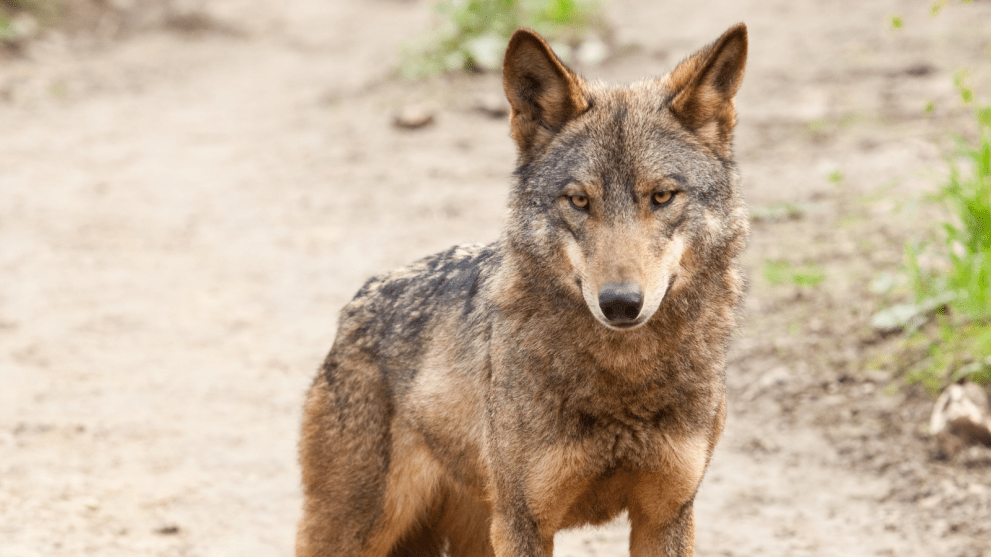
The change will enter into force on 7 March 2025. After this date, the EU may adapt the relevant annexes of the Habitats Directive. The Commission will propose a specific legislative amendment to this effect, to be adopted by the European Parliament and the Council.

This change will give more flexibility to Member States in managing their local wolf populations. At the same time, as the wolf will remain a protected species, Member States’ conservation and management measures will have to achieve and maintain a favourable conservation status.

Investments in appropriate damage prevention measures remain essential to reduce livestock depredation. The Commission will continue to assist Member States and stakeholders in the design and implementation of such measures through funding and other forms of support.

European Commission President Ursula von der Leyen said: “This is important news for our rural communities and farmers. The Bern Convention has decided to adapt the protection status of wolves. We need a balanced approach between wildlife conservation and the protection of our livelihoods.

Jessika Roswall, Commissioner for Environment, Water Resilience and the Competitive Circular Economy, said: “EU conservation policy and wolf efforts have been a success story over the past decades. However, the reality on the ground is changing. The steady increase in wolf populations and the risk this poses has justified adapting the legal protection status of the wolf. The Standing Committee of the Bern Convention today voted in favour of the EU proposal to change the protection status of the wolf from “strictly protected” to “protected”. As a next step, we will propose to update EU rules in line with this decision”.

Following an in-depth analysis of the wolf situation in the EU, the Commission proposed in December 2023 to amend the wolf protection status, and the proposal was adopted by the Council in September 2024. The Commission’s proposal was also in line with the position expressed by the European Parliament in November 2022.

More information: European Commission.

Publicaciones relacionadas:

Commission prepares new initiatives to boost the organic farming sector Default ThumbnailLong-term vision for rural areas: stronger, connected, resilient, and prosperous The Commission includes Acehúche Cheese of Spain in the PDO Mujer comprando puerros en un supermercadoOrganic farming in the EU: a decade of growth barco de pescaEuropean Commission presents package of measures to improve sustainability and resilience of EU fisheries sector

Agriculture, Livestock Farming and Fisheries,  EU News,  Farming activity Agriculture,  European Commission,  Hunting,  livestock,  protection,  wolf

“This is a space for debate. All comments, for or against publication, that are respectful and do not contain expressions that are discriminatory, defamatory or contrary to current legislation will be published”.

Reader Interactions

Leave a Reply Cancel reply

Your email address will not be published. Required fields are marked *

This site uses Akismet to reduce spam. Learn how your comment data is processed.

Primary Sidebar

Footer

  • CDE Almería
  • Biblioteca Nicolás Salmerón – Universidad de Almería
  • Planta: 1ª, Despacho: 1.05.0B.
  • Ctra. Sacramento s/n. Almería (Spain)
  • Teléfono: (+34) 950 015266

HOME
NEWS
DOCUMENTATION
EUROPE ON THE NET
ABOUT US

  • LEGAL NOTICE
  • PRIVACY POLICY
  • COOKIE POLICY
  • ACCESSIBILITY
  • SITEMAP

Copyright © 2026 CDE Almería · Creative Commons LicenseThis work is licensed under a Creative Commons Attribution-NonCommercial 4.0 International License.

<p>El Centro de Documentación Europea de la Universidad de Almería utiliza cookies propias y de terceros para facilitar al usuario la navegación en su página Web y el acceso a los distintos contenidos alojados en la misma. Asimismo, se utilizan cookies analíticas de terceros para medir la interacción de los usuarios con el sitio Web. Pinche el siguiente enlace si desea información sobre el uso de cookies y como deshabilitarlas. </p>

Politica de privacidad

El Centro de Documentación Europea de la Universidad de Almería utiliza cookies propias y de terceros para facilitar al usuario la navegación en su página Web y el acceso a los distintos contenidos alojados en la misma. Asimismo, se utilizan cookies analíticas de terceros para medir la interacción de los usuarios con el sitio Web. Pinche el siguiente enlace si desea información sobre el uso de cookies y como deshabilitarlas. <a href="/politica-de-cookies" rel="noopener" target="_blank">Más información</a>

Cookies estrictamente necesarias

Las cookies estrictamente necesarias tiene que activarse siempre para que podamos guardar tus preferencias de ajustes de cookies.

Básicamente la web no funcionara bien si no las activas.

Estas cookies son:

  • Comprobación de inicio de sesión.
  • Cookies de seguridad.
  • Aceptación/rechazo previo de cookies.
Cookies de terceros

Esta web utiliza Google Analytics, Google Tag Manager y Yandex Metrika para recopilar información anónima tal como el número de visitantes del sitio, o las páginas más populares.

Dejar estas cookies activas nos permite mejorar nuestra web.

Política de cookies

Pinche el siguiente enlace si desea información sobre el uso de cookies y como deshabilitarlas. Más información