
The Commission is presenting a package of measures to improve the sustainability and resilience of the EU’s fisheries and aquaculture sector.
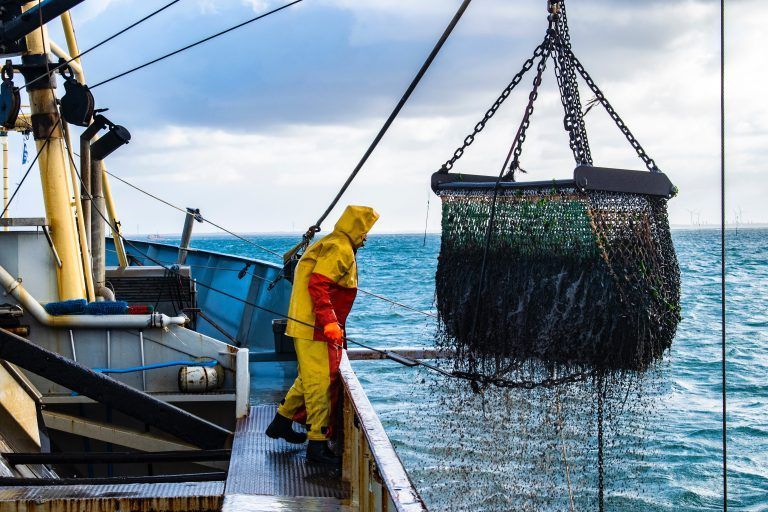
It includes four elements: A Communication on the Energy Transition of the EU Fisheries and Aquaculture sector; an Action Plan to protect and restore marine ecosystems for sustainable and resilient fisheries; a Communication on the common fisheries policy today and tomorrow and a Report on the Common Market Organisation for fishery and aquaculture products.
The main objectives of the measures are to promote the use of cleaner energy sources and reduce dependency on fossil fuels as well as reduce the sector’s impact on marine ecosystems. The proposed actions will be carried out gradually to help the sector adapt. A ‘Pact for Fisheries and Oceans’ will also support the full implementation of the Common Fisheries Policy (CFP) in coordination with Member States and fisheries stakeholders, including fishers, producer organisations, regional advisory councils, civil society and scientists. The proposals also have at its heart making the sector an attractive job place for the younger generations.
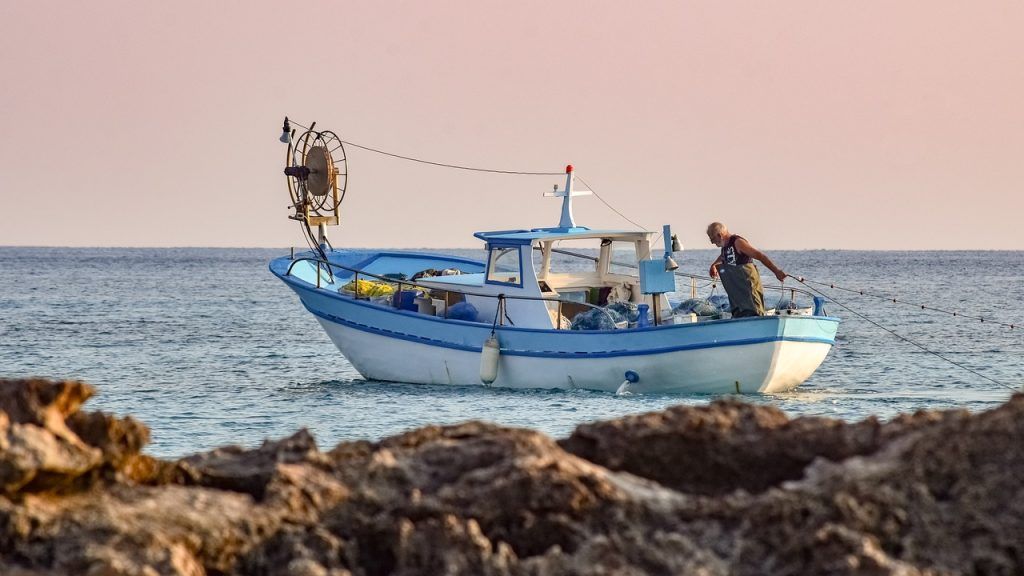
Council approves fishing rights for 2023 |
Net zero emissions fisheries and aquaculture sector by 2050
The sector’s current dependency on fossil fuels is not only environmentally unsustainable, but also makes it vulnerable to energy price increases. When fuel prices increased in 2021 and 2022, many vessels stayed in port and the sector required financial support as a large part of the EU fishing fleet was unable to cover operational costs. Aquaculture was similarly exposed to higher prices of both fuel and feed. The sector benefited from EU financial support.
The Commission is today proposing to reduce dependency on fossil fuels and aim towards climate neutral fisheries and aquaculture sector, in line with one of the ambitions of the European Green Deal to reach climate neutrality in the EU by 2050. It is proposing measures to support the sector in accelerating its energy transition, by improving fuel efficiency and switching to renewable, low-carbon power sources.
One of the key actions is an Energy Transition Partnership for EU Fisheries and Aquaculture. It will bring together all stakeholders, including in fisheries, aquaculture, shipbuilding, ports, energy, NGOs, national and regional authorities, to collectively address the challenges of the sector’s energy transition.
The Commission will also work to close the gaps in the transfer of technology from research and innovation to application; to promote the development of skills among the workforce; and to improve the business environment, including in financing opportunities and awareness.
Protecting marine ecosystems for sustainable fisheries
Climate change, biodiversity loss and ocean pollution threaten the sustainability of fisheries and aquaculture resources. The Commission is presenting a marine action plan to reinforce the CFP’s contribution to the EU’s environmental objectives and reduce the adverse impact of fishing activities on marine ecosystems, particularly through seabed disturbance, by-catch of sensitive species and effects on marine food webs. A healthy marine environment with healthy fish stocks and rich biodiversity is the only way to ensure a prosperous future for EU fisheries communities in the medium and long term.
The action plan contributes to delivering on the EU Biodiversity Strategy for 2030 and its commitment to legally and effectively protect 30% of our seas, with one third being strictly protected. To fulfil this goal, the Commission calls on Member States to take fisheries conservation measures to protect and manage marine protected areas (MPAs) effectively, with a clear timeline. These efforts should include the protection of fish spawning and nursery areas, the reduction of fish mortality rates and the restoration of core areas for sensitive species and habitats.
The plan also aims to reduce the impact of fishing on the seabed. Urgent protection and restoration of seabed habitats in MPAs is critical, given their significance as hotspots of EU marine biodiversity and the importance of blue carbon in marine habitats for tackling climate change. The Commission, therefore, calls on Member States to propose joint recommendations and take national measures to phase out mobile bottom fishing in all MPAs by 2030 at the latest and not to allow it in any newly established MPAs. First measures should be taken already by March 2024 for Natura 2000 sites under the Habitats Directive that protect the seabed and marine species.
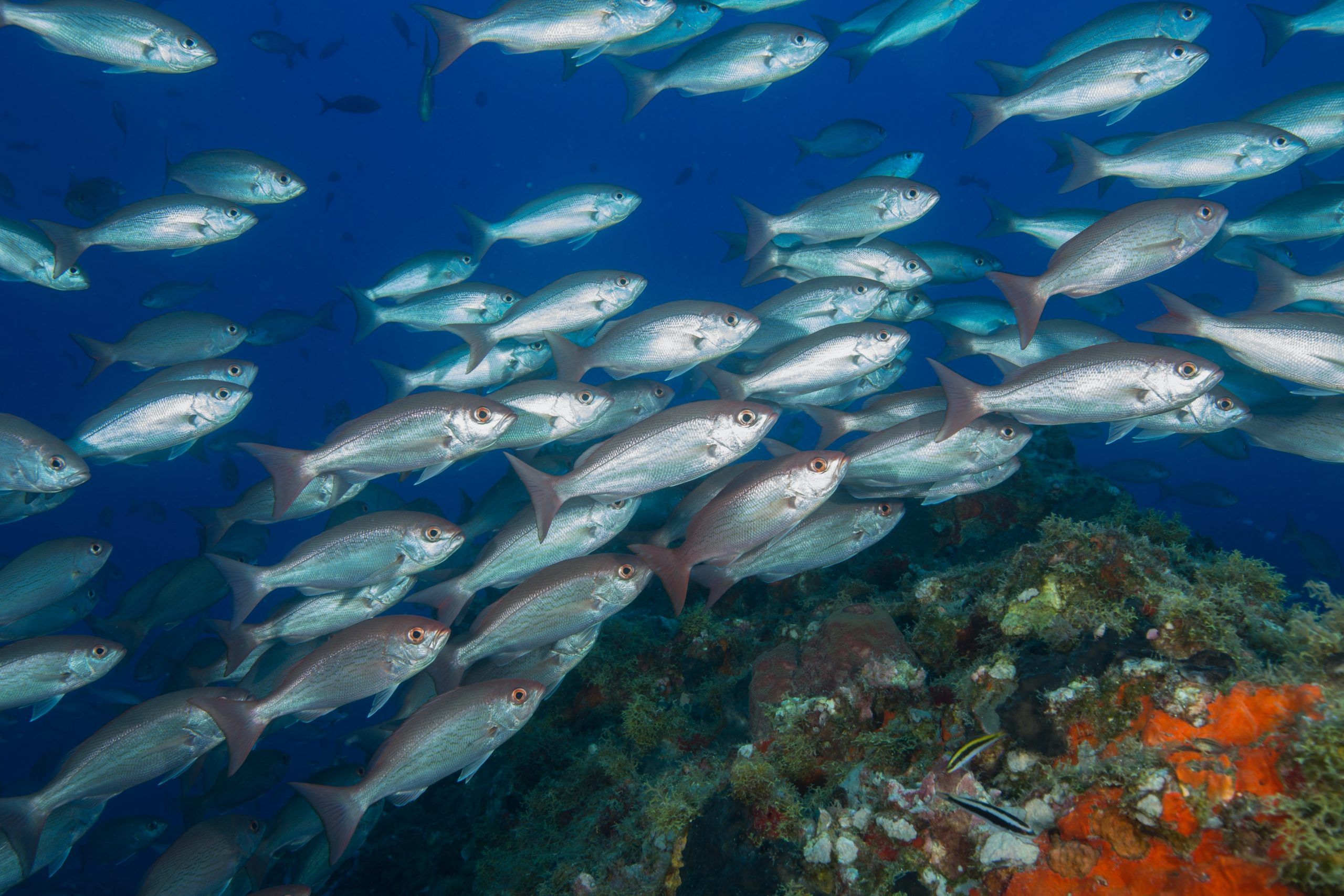
Fisheries: EU and neighbouring countries agree first-ever joint multiannual management plans in the Mediterranean/ |
The action plan also proposes actions to increase the selectivity of fishing gear and practices and to reduce the incidental catches of threatened species, setting a timetable to help Member States prioritise those species that require most protection.
As oceans and seas cover 71% of the Earth’s surface and more than 65% of EU territory, today’s action plan will also be part of the EU’s contribution to the implementation of the recently agreed Kunming-Montréal biodiversity agreement .
‘Pact for Fisheries and Oceans’ to help implement the common fisheries policy
The common fisheries policy continues to be the adequate legal framework to address the challenges that EU fisheries and the seas on which they depend are facing, giving the necessary stability to the fisheries sector and allowing the EU to lead by example in driving sustainable fisheries worldwide. The three main principles on which the policy is based are still relevant today: environmental, social and economic sustainability; effective regional cooperation; and science-based decision-making. However, several challenges remain for the CFP to be fully implemented, and faster and more structural transformation is needed to reduce environmental and climate impacts of fishing and aquaculture. This is necessary to restore a healthy marine environment and ensure food security, as well as to help the sector become more resilient, increase energy efficiency and contribute to climate neutrality quickly. This will help to save on fuel costs and thrive on green energy.
In order to establish a united vision for the future of the fisheries and aquaculture sector, to reconfirm the joint commitment to fully implement the CFP to launch discussions between fisheries managers and stakeholders on future-proofing the policy in terms of both social and environmental resilience, the Commission proposes a ‘Pact for Fisheries and Oceans‘, bringing together all stakeholders. The ‘Pact for Fisheries and Oceans’ opens a new phase of dialogue and cooperation between the Commission and all fisheries stakeholders. It will build common understanding of the objectives to be achieved and help adapt the policy where necessary.
More information: European Commission
Publicaciones relacionadas:
 New rules on food transparency and sustainability
 Long-term vision for rural areas: stronger, connected, resilient, and prosperous
 The Commission includes Acehúche Cheese of Spain in the PDO
 Organic farming in the EU: a decade of growth
 AU-EU agrifood platform: reinforcing the link between the EU and African private sectors
Leave a Reply