
The rules aim to reveal the actual impact of short-term rental services and enable local authorities in response to develop appropriate policies.
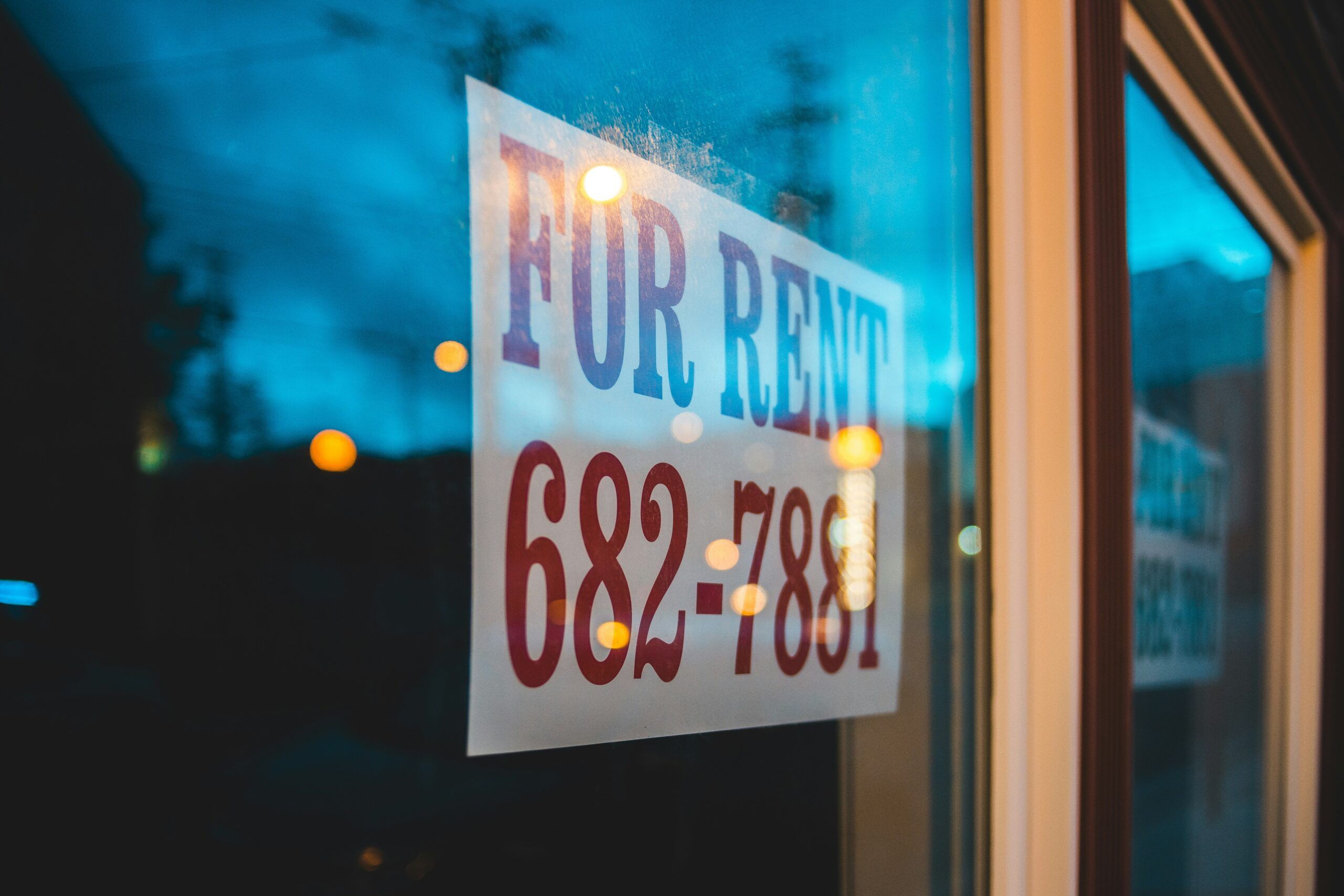
On Thursday, Parliament adopted harmonised requirements on how data related to short-term rental services (STRs) should be collected and shared, with 493 votes in favor, 14 against and 33 abstentions. This regulation aims to promote a transparent and responsible platform economy in the EU, while protecting consumers from fraudulent short-term rental offers.
Simple registration procedure
Online platforms that facilitate short-term rental services have to comply with obligations regarding registration procedures and data sharing for the properties they list that are located in areas where a registration process exists. A simple online registration procedure will allow the relevant authorities to identify the host and their unit, and verify their information.
Safer rental services for travellers
Online platforms will have to ensure that the information provided by hosts is reliable and complete and that the registration number is clearly visible on the corresponding listing. They will also have to make reasonable efforts to conduct random information checks. The competent authorities can suspend registration numbers, ask platforms to remove illegal listings, or impose penalties on non-compliant platforms or hosts.
Exchange of data
EU member states will set up a single digital entry point to receive data from platforms about host activity on a monthly basis (e.g. number of nights the unit was rented out, number of guests, specific address, registration number, URL of the listing). Gathering this data will allow authorities to monitor compliance with host registration processes, and enable national authorities to implement suitable policies in the short-term accommodation rental sector.
Quote
Rapporteur Kim Van Sparrentak (Greens/EFA, NL) said: “Cities are experiencing a spike in illegal short-term holiday rentals. This is making cities across Europe harder to live in and less affordable. This law requires platforms to share their data with local authorities, allowing them to better enforce rules for vacation rentals so housing remains accessible for residents.”
Next steps
Once the Council adopts the text, it will be published in the EU Official Journal, after which the regulation will become applicable in 24 months.

New European Union rules on short-term accommodation rentals |
Background
The volume of short-term accommodation rental services has increased significantly with the expansion of online platforms such as Airbnb, Booking, Expedia and TripAdvisor. This type of accommodation comprises about one quarter of total tourist accommodation in the EU. While such rentals create benefits for hosts, tourists and many regions, some researchers argue that the lack of appropriate rules also contributes to problems like higher housing prices, the displacement of permanent residents, over-tourism, and unfair competition.
There is significant variation in registration schemes for short-term rentals both across and within EU countries. According to the Commission in 2022, 23 member states had some type of procedure at national, regional, and/or local levels, while others are considering introducing one.
More information: European Parliament
Publicaciones relacionadas:
 Commission launches debate on responding to the impact of an ageing population
 The European Commission has adopted its work programme for 2024
 European Parliament to review status of Andalusian seasonal workers
 Parliament calls for justice and reforms in Malta
 Russia-EU tensions and Parliament’s views
Leave a Reply