
The Commission adopted its 2024 Work Programme, which puts a strong focus on simplifying rules for citizens and businesses across the European Union.

This follows up on President von der Leyen’s commitment to reduce reporting requirements by 25%, in line with our strategy to boost the EU’s long-term competitiveness and to provide relief for SMEs.
The Work Programme reflects on the achievements of the past four years, outlines the Commission’s new proposals for the months ahead and presents significant initiatives aimed at cutting red tape. Some of these simplifying initiatives have already been put forward (15 proposals and initiatives since March 2023), while others are presented in parallel (26 rationalisation proposals) or will follow. They are laid out in a dedicated annex together with the evaluations and fitness checks announced.
With over 90% of the commitments made in the 2019 Political Guidelines delivered and just a few months left until the 2024 European elections, the new initiatives outlined in the Work Programme are limited to those still needed to deliver on the Commission’s commitments, or to tackle emerging challenges. The newly proposed initiatives build on President von der Leyen’s 2023 State of the Union speech and letter of intent.
Better regulation, burden reduction and red tape cuts
The Commission’s strategy on long-term competitiveness set out the goal of reducing burdens associated with reporting requirements by 25%, without undermining the policy objectives of the concerned initiatives. To achieve this goal, the Commission has sought to simplify reporting requirements, for instance through the reform of the Union Customs Code, which will bring about around €2 billion in cost savings for traders. The proposed revision of rules on statistical surveys seeks to reduce costs – including for SMEs – by €450 million.
The 2024 Work Programme puts forward additional simplification proposals in a range of policy areas, without lowering social, safety, consumer protection, environmental or economic standards. The envisaged simplifications will streamline reporting requirements that are of limited use, for example by consolidating overlapping obligations, reducing the number of businesses concerned and increasing digitalisation.
Examples of the simplification proposals include the postponement of the deadline for the adoption of sector-specific European sustainability reporting standards (Corporate Sustainability Reporting Directive), as well as changes to the scope of application of the Accounting Directive and the Benchmark Regulation.
We will report on the progress achieved towards the 25% reduction goal in our annual burden surveys, starting with the 2023 edition which will be published next year.
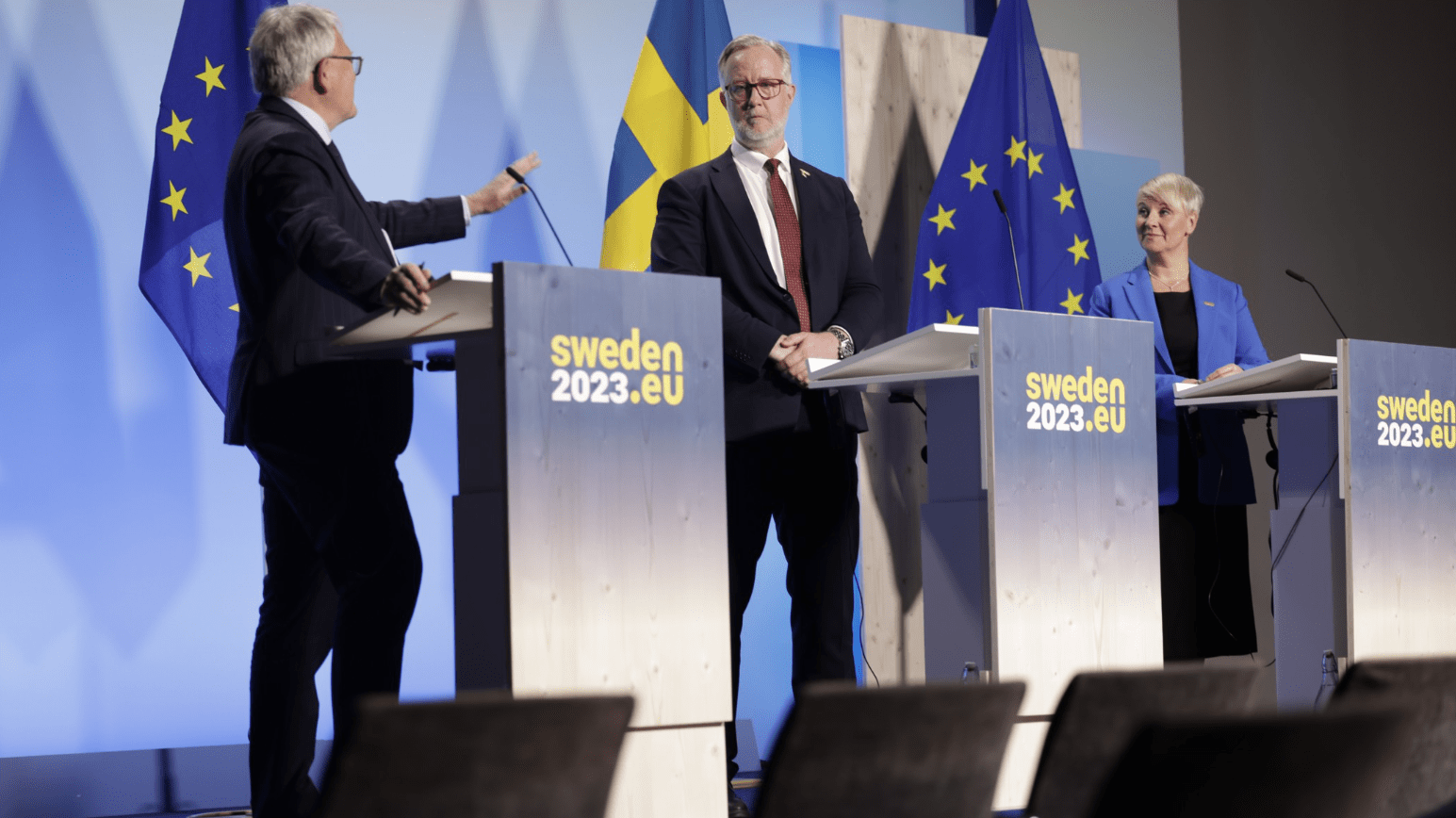
EU labour ministers conclude that skills must be matched to employers’ needs |
Delivering on our commitments
The Commission has delivered on over 90% of the commitments made in the 2019 Political Guidelines of President von der Leyen. In 2024, further dedicated efforts by the European Parliament and Council will be needed to find agreement on outstanding proposals and therefore ensure that Europe’s citizens and businesses can take full advantage of EU policy actions.
The Commission will continue to deliver on the European Green Deal, our growth agenda, ensuring that the green transition is fair, smart and inclusive. This will include dialogues with citizens and industry, and preparatory work to support vulnerable citizens and businesses in the transition, also thanks to the Social Climate Fund. We will launch a strategic dialogue on the future of agriculture in the EU. To continue making Europe fit for the digital age, the Commission will adopt initiatives on opening up our high-performance computers to AI start-ups and propose a European space law.
The EU economy has demonstrated resilience in the face of an unprecedented array of crises. In 2024, the Commission will focus on challenges related to labour and skill shortages, education, social dialogue, inflation and ease of doing business.
Support to Ukraine in the face of Russia’s war of aggression will remain high on our agenda in 2024, as will our mutually beneficial partnership with Africa, our fair trade agenda and the development of Member States’ defence capabilities. The Commission will strengthen co-operation to fight the smuggling of migrants and take steps related to pre-enlargement reforms and policy reviews to see how a larger Union may work.
Next steps
The Commission will work closely with the European Parliament and Council and support them to facilitate swift agreements by the end of this Commission’s mandate.
In addition to the call for evidence to gather feedback on burdensome reporting requirements from stakeholders launched, further consultations with companies – including with the SME envoys network – Member States’ experts and other stakeholders will be carried out to identify particularly problematic issues and areas to prioritise.
More information: European Commission
Publicaciones relacionadas:
 Judgment of the CJEU on homophobic discrimination in the workplace
 “The Hungarian bill is a shame”, Von der Leyen
 LGBTIQ rights in Hungary: debate with Council and Commission
 Coronavirus: seasonal workers included in new guidelines to ensure free movement of critical workers
 SURE: Questions and answers
Leave a Reply