
On Monday, the Environment and Internal Market Committees adopted their proposals on new EU rules to cover the entire vehicle lifecycle, from design to final end-of-life treatment.
The regulation would apply to cars and vans one year after its entry into force (five years for buses, heavy-duty vehicles, trailers, motorcycles, quads, mopeds and minicars). There are some exceptions, for instance for special-purpose vehicles and vehicles of historical interest. MEPs also want to exempt vehicles designed and built for use by the armed forces, civil defence, fire and emergency medical services, and vehicles of special cultural interest.
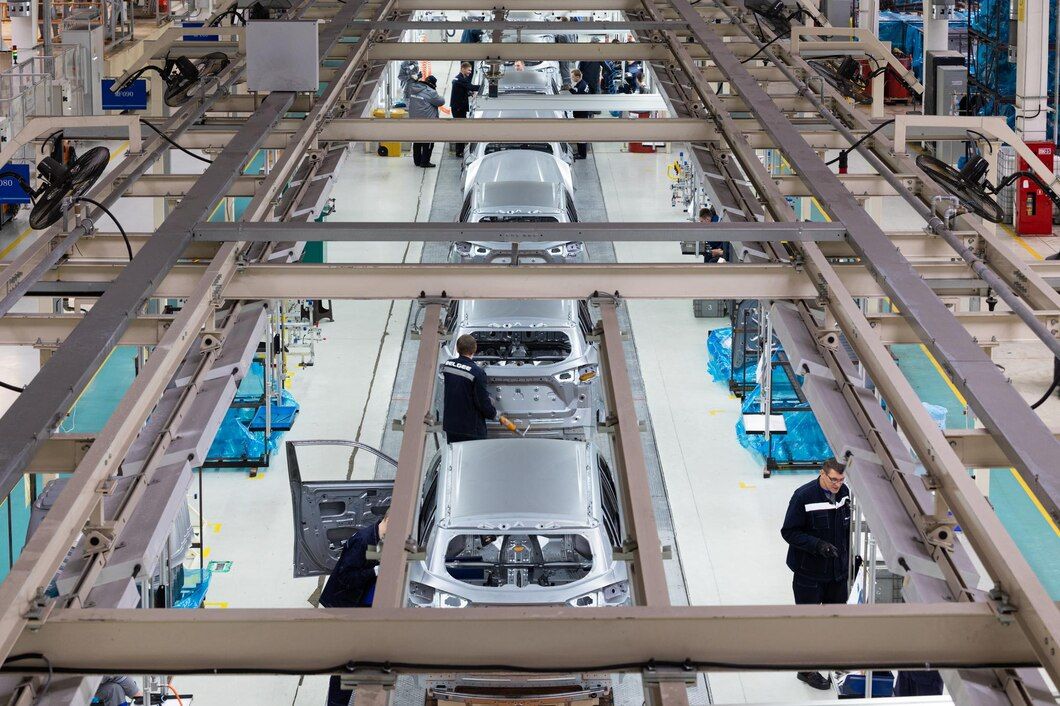
The new rules would require new vehicles to be designed so as to allow the easy removal of as many parts and components as possible by authorised treatment facilities, with a view to their replacement, reuse, recycling, remanufacturing or refurbishing, where technically possible. MEPs add that manufacturers should not hinder the removal and replacement of parts and components using software updates.
MEPs also want the plastic used in each new vehicle type to contain minimum 20% recycled plastic, within six years of the rules’ entry into force. To ensure the necessary long-term perspective for the industry and unlock investment, they want manufacturers to meet a target of at least 25% within 10 years of entry into force, if enough recycled plastic is available at non-excessive prices. The Commission should introduce targets for recycled steel and aluminium and its alloys, following a feasibility study.
Improving end-of-life management of vehicles and enforcement of rules
Manufacturers would have extended producer responsibility, covering the cost of the collection and treatment of their vehicles that have reached the end-of-life stage. Specific requirements would apply for the removal of parts and components, of liquids, and of components containing gases, refrigerants, and hazardous substances before shredding. MEPs want national authorities to do more regular inspections of facilities involved in the handling and treatment of end-of-life vehicles, and to develop inspection plans to identify illegal activities.
Strengthening export rules for used vehicles
Used vehicles should only be exported if they are not considered end-of-life vehicles, the text says. MEPs propose to clarify the criteria determining when a used vehicle is an end-of-life vehicle, as well as the necessary documentation for customs authorities.
Quote
Co-rapporteurs Jens Gieseke (EPP, DE – ENVI) and Paulius Saudargas (EPP, LT – IMCO) said: “Today’s committee vote is a success: the Parliament compromise, supported by a broad majority, promotes a circular economy in the automotive sector. It advances resource security, protects the environment, and ensures sustainability. To avoid overburdening the industry, we secured feasibility with realistic targets, less red tape, and fair competition. A solid basis for the plenary vote in September.”
Next steps
The report, adopted by 79 votes in favour, 27 against and 11 abstentions, is expected to be adopted during the 8-11 September plenary session.
Background
On 13 July 2023, the Commission proposed a new regulation on circularity requirements for vehicle design and improved management of end-of-life vehicles, in line with the objectives of the European Green Deal and the circular economy action plan.
In 2023, 14.8 million motor vehicles were manufactured in the EU, while 12.4 million vehicles were registered. There are 285.6 million motor vehicles on EU roads and every year around 6.5 million vehicles come to the end of their lives.
More information: European Parliament
Publicaciones relacionadas:
 Local and regional leaders urge EU action to combat mobility poverty
 Updated rules for safer roads, less air pollution and digital vehicle documents
 EU invests €2.8 billion in 94 projects to enhance sustainable mobility across Europe
 How do Europeans feel about self-driving cars?
 European Council adopts regulation on CO2 emissions from new passenger cars and vans
Leave a Reply