
For better road safety and air quality across the EU, the Commission is proposing a comprehensive overhaul of the EU’s road safety and vehicle registration rules.
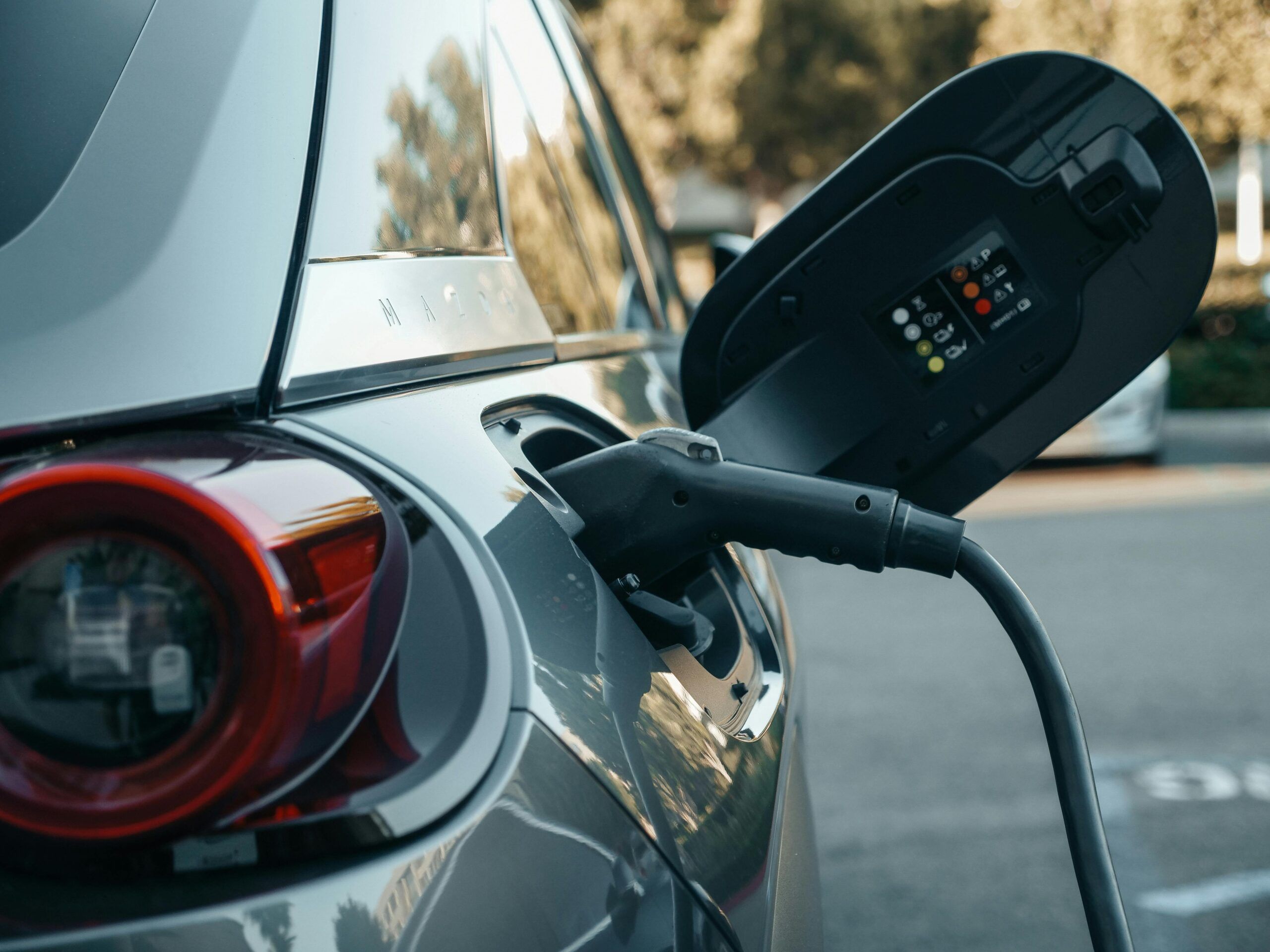
The new rules will take into account the growing presence of electric vehicles and adapt to emerging technologies. They will introduce enhanced inspections, including periodic technical inspections for electric vehicles and advanced driver-assistance systems, annual inspections for older cars and vans, and advanced emission testing methods to detect high-emitting vehicles to reduce fine particles pollution. Additionally, the Commission proposes to introduce digital vehicle registration and periodic testing certificates, simplify cross-border data sharing, and protect citizens against fraudulent activities such as odometer tampering. Also, periodic technical inspections will be made easier for those temporarily residing in another EU country.
The proposed changes reflect the EU’s commitment to safe and sustainable mobility while ensuring the free movement of people and goods. Between 2026 and 2050, it is estimated that these proposals will save around 7,000 lives and prevent around 65,000 serious injuries.
For this purpose, the Commission is proposing to revise three directives: on periodic technical inspection (PTI) of vehicles, vehicle registration documents, and the roadside inspection (RSI) of commercial vehicles.
Challenges of unsafe and ageing vehicles
Last April 24’s proposal targets unsafe vehicles, which contribute to crashes, fatalities and injuries. The current rules, last updated in 2014, must keep up with technological advances such as driver-assistance systems and the growing presence of electric vehicles on the roads. Additionally, highly polluting and noisy vehicles, although relatively few in number, are responsible for a disproportionate share of harmful emissions. The current rules do not sufficiently tackle air pollution and noise.
The ageing vehicle fleet also increases the risk of odometer fraud (i.e. rolling back of odometers to make vehicles appear to have lower mileage than they do). Combatting this fraud requires updated rules. Outdated procedures and not using modern technology hinder enforcement and cross-border cooperation.
Key elements of the new rules
Proposes measures include the following:
- Adapting testing to new vehicles: Periodic technical inspections for electric vehicles and new tests for electronic safety systems, including the testing of software integrity of safety- and emission-relevant systems.
- New emission testing: Detecting high-emitting vehicles, including tampered ones, using advanced methods for ultrafine particles and NOx.
- Combating fraud: Recording odometer readings in national databases for cross-border exchange of odometer history.
- Annual inspections: For cars and vans over ten years old.
- Digitalisation: Issuing electronic vehicle registration and periodic testing certificates and exchanging data via a common platform to simplify administrative processes.
- Mutual recognition of Periodic Technical Inspection Certificates: Ensuring cross-border recognition of a periodic technical inspections taken in another Member State for cars for six months.
- Improved data governance: Streamlining access to vehicle technical data for testing centres.
Next steps
The proposals will now be considered by the European Parliament and the Council under the ordinary legislative procedure.
Once agreed, the Commission will prepare the required delegated and implementing acts for certain aspects of the implementation of the rules.
Background
In its EU road safety policy framework 2021-2030, the Commission recommitted to its ambitious goal of having close to zero deaths and zero serious injuries on EU roads by 2050 (‘Vision Zero’) and to reducing deaths and serious injuries by 50% by 2030. Today’s proposals will help to achieve these goals, and were announced in the Commission’s 2020 Sustainable and Smart Mobility Strategy.
The Commission published the most recent road safety figures in March 2025, showing fatalities are reducing gradually across the EU, but progress remains too slow.
The Commission is implementing a Safe System Approach to driving in the EU. This Safe System requires safe driving, safer vehicles, safer infrastructure, lower speeds and better post-crash care.
More information: European Commission
Publicaciones relacionadas:
 Commission clears acquisition of Itínere by Swiss Life and APG
 Commission sets new plans for high-speed rail and sustainable fuels for aviation and waterborne sectors
 European Council adopts regulation on CO2 emissions from new passenger cars and vans
 Agreement within the International Maritime Organization for the reduction of greenhouse gas emissions from ships
 Commission proposes list of principles to boost cycling across Europe
Leave a Reply