• Skip to primary navigation
  • Skip to main content
  • Skip to primary sidebar
  • Skip to footer
  • Bluesky
  • Facebook
  • Instagram
  • Twitter
  • YouTube
CDE Almería – Centro de Documentación Europea – Universidad de Almería

CDE Almería - Centro de Documentación Europea - Universidad de Almería

Centro de Documentación Europea de la Universidad de Almería

  • HOME
  • WHAT´S ON
    • EU NEWS
    • Activities
    • EU Calls and Awards
    • Radio Program «Europe with You»
  • DOCUMENTATION
    • EU Media Collection
      • Web Space
      • MEDIATHEQUE REPOSITORY
  • Europe on the net
    • Institutions
    • EU Representation in Spain
    • European information network of Andalusia
  • ABOUT US
    • Presentation
    • Services
    • People
    • Contact
  • Spanish
  • English

MEPs support establishment of EU rapid reaction force

Inicio » EU News » Defence & Security » International Safety and Defence Politics » MEPs support establishment of EU rapid reaction force

21 de April de 2023

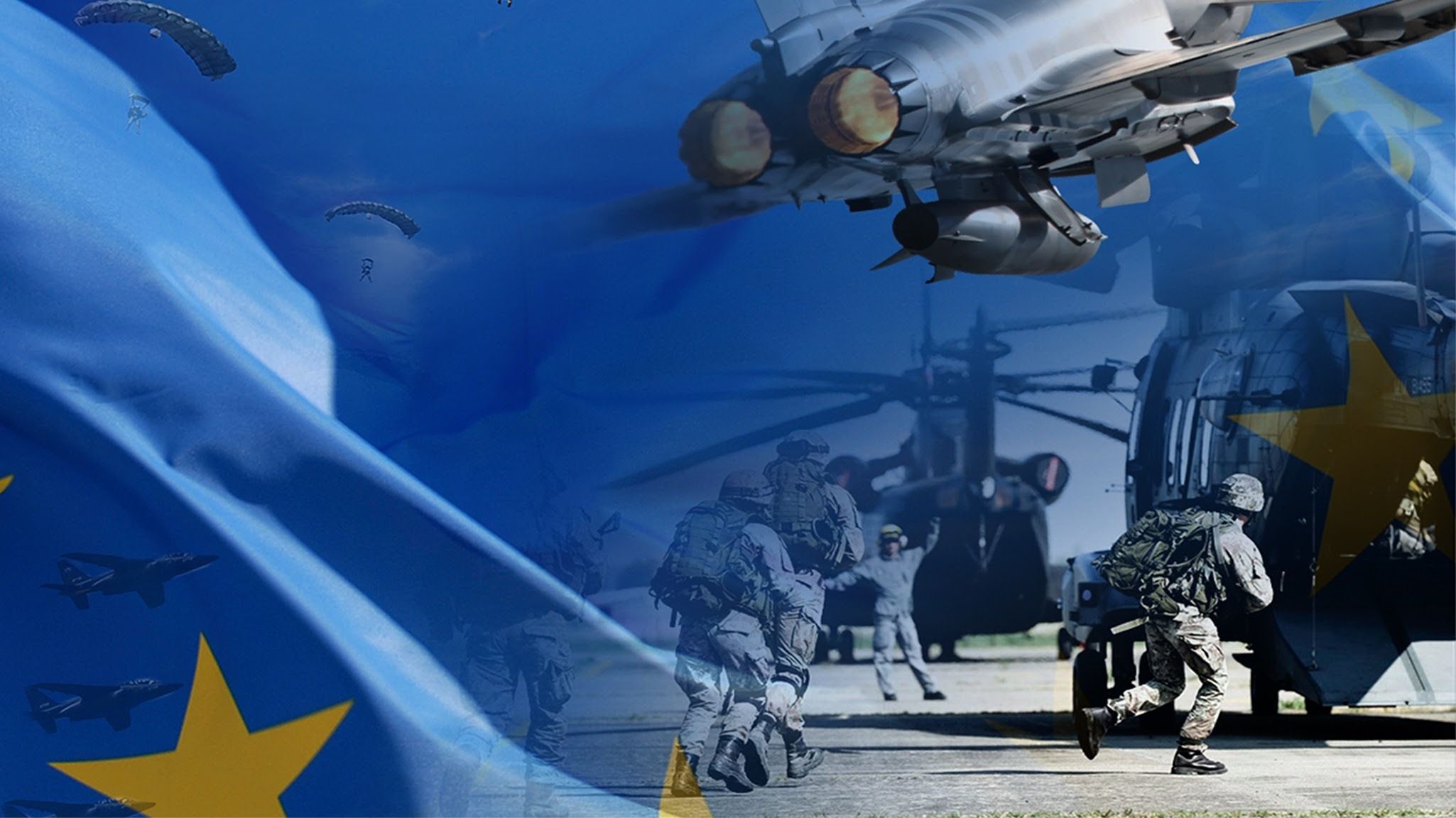
The EU military instrument for rapid reaction to crises would consist of up to 5000 troops and should reach full operational capability by 2025 at the latest.
defensa UE

In a resolution adopted on Wednesday by 444 votes in favour, 96 against and 86 abstentions, MEPs support the proposal to establish the EU Rapid Deployment Capacity (EU RDC).

This military instrument, consisting of up to 5000 troops, would enable the EU to effectively prevent or react to crises and protect the European Union’s citizens and principles across the world. The RDC should be designed to reflect the new geopolitical context and reach full operational capability by 2025 at the latest, say MEPs.

Its missions should cover rescue and evacuation operations, entry and the initial phase of stabilisation operations as well as temporarily reinforcing other missions. The RDC could also be used as a reserve force to secure an exit when needed. It should be flexible in order to be prepared to address all possible crisis situations, they add.
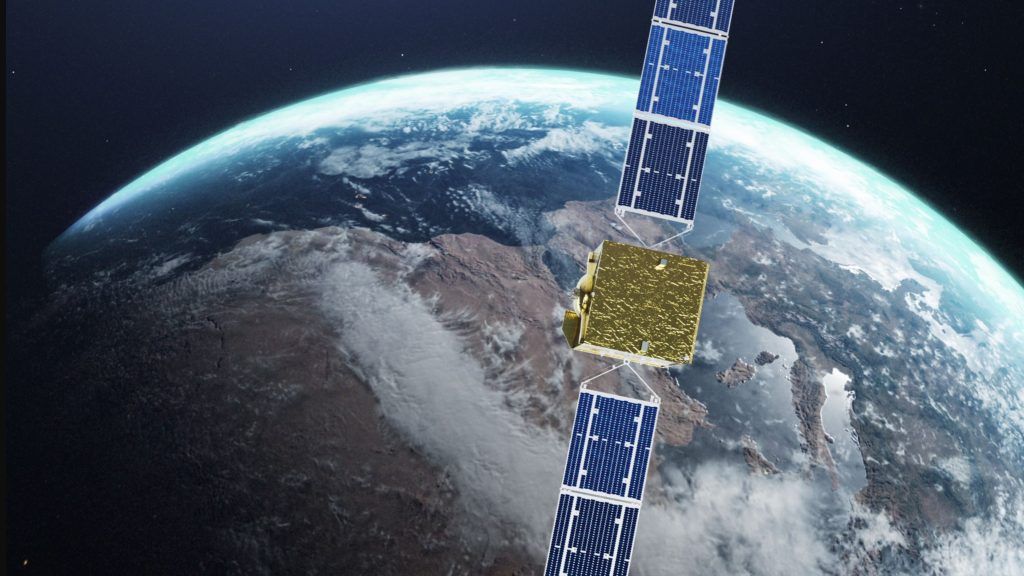
Defence in Space: How is EDA providing support to the EU’s wider strategy?


Support strategic autonomy of the EU

MEPs insist on the necessity to conduct regular joint exercises, in line with NATO standards, that should be scheduled by the EU Foreign Policy Chief, and planned and conducted by the Military Planning and Conduct Capability (MPCC), to improve readiness and interoperability.

EU RDC troops should be assigned exclusively to it, with member states able to call them up for national duty in the event of an emergency. MEPs also stress that for this rapid deployment capability to be effective, it should have permanent operational headquarters with appropriate funding, staff and infrastructure and an integrated secure communication.

Budgetary aspects

The administrative expenditure of the RDC should be financed from the EU budget, provided that the CFSP budget is increased considerably, MEPs say.

The operating expenditure for joint exercises, the costs of ammunition and those related to carrying out live exercises, should be paid from a revised European Peace Facility with an increased budget.

Finally, MEPs call on member states to provide adequate funds and personnel to turn the EU battle group system into a more robust and flexible instrument.

More information: European Parliament

Publicaciones relacionadas:

EU maritime security: from strategy to action Foreign Affairs Council Main Results, 24 January 2022 Main results of the Foreign Affairs Council - 16 May 2022Main results of the Foreign Affairs Council – 16 May 2022 defensa UEEuropean Defence Fund: €1 billion to boost the EU’s defence capabilities defensa UEEuropean Defence Fund: €1.2 billion to boost EU defence capabilities and innovation
Defence & Security,  EU News,  International Safety and Defence Politics defence,  EU,  rapid reaction force,  Strategic Compass

“This is a space for debate. All comments, for or against publication, that are respectful and do not contain expressions that are discriminatory, defamatory or contrary to current legislation will be published”.

Reader Interactions

Leave a Reply Cancel reply

Your email address will not be published. Required fields are marked *

This site uses Akismet to reduce spam. Learn how your comment data is processed.

Primary Sidebar

Footer

  • CDE Almería
  • Biblioteca Nicolás Salmerón – Universidad de Almería
  • Planta: 1ª, Despacho: 1.05.0B.
  • Ctra. Sacramento s/n. Almería (Spain)
  • Teléfono: (+34) 950 015266

HOME
NEWS
DOCUMENTATION
EUROPE ON THE NET
ABOUT US

  • LEGAL NOTICE
  • PRIVACY POLICY
  • COOKIE POLICY
  • ACCESSIBILITY
  • SITEMAP

Copyright © 2026 CDE Almería · Creative Commons LicenseThis work is licensed under a Creative Commons Attribution-NonCommercial 4.0 International License.

<p>El Centro de Documentación Europea de la Universidad de Almería utiliza cookies propias y de terceros para facilitar al usuario la navegación en su página Web y el acceso a los distintos contenidos alojados en la misma. Asimismo, se utilizan cookies analíticas de terceros para medir la interacción de los usuarios con el sitio Web. Pinche el siguiente enlace si desea información sobre el uso de cookies y como deshabilitarlas. </p>

Politica de privacidad

El Centro de Documentación Europea de la Universidad de Almería utiliza cookies propias y de terceros para facilitar al usuario la navegación en su página Web y el acceso a los distintos contenidos alojados en la misma. Asimismo, se utilizan cookies analíticas de terceros para medir la interacción de los usuarios con el sitio Web. Pinche el siguiente enlace si desea información sobre el uso de cookies y como deshabilitarlas. <a href="/politica-de-cookies" rel="noopener" target="_blank">Más información</a>

Cookies estrictamente necesarias

Las cookies estrictamente necesarias tiene que activarse siempre para que podamos guardar tus preferencias de ajustes de cookies.

Básicamente la web no funcionara bien si no las activas.

Estas cookies son:

  • Comprobación de inicio de sesión.
  • Cookies de seguridad.
  • Aceptación/rechazo previo de cookies.
Cookies de terceros

Esta web utiliza Google Analytics, Google Tag Manager y Yandex Metrika para recopilar información anónima tal como el número de visitantes del sitio, o las páginas más populares.

Dejar estas cookies activas nos permite mejorar nuestra web.

Política de cookies

Pinche el siguiente enlace si desea información sobre el uso de cookies y como deshabilitarlas. Más información