• Skip to primary navigation
  • Skip to main content
  • Skip to primary sidebar
  • Skip to footer
  • Bluesky
  • Facebook
  • Instagram
  • Twitter
  • YouTube
CDE Almería – Centro de Documentación Europea – Universidad de Almería

CDE Almería - Centro de Documentación Europea - Universidad de Almería

Centro de Documentación Europea de la Universidad de Almería

  • HOME
  • WHAT´S ON
    • EU NEWS
    • Activities
    • EU Calls and Awards
    • Radio Program «Europe with You»
  • DOCUMENTATION
    • EU Media Collection
      • Web Space
      • MEDIATHEQUE REPOSITORY
  • Europe on the net
    • Institutions
    • EU Representation in Spain
    • European information network of Andalusia
  • ABOUT US
    • Presentation
    • Services
    • People
    • Contact
  • Spanish
  • English

MEPs back plans to boost the deployment of renewables because of energy crisis

Inicio » EU News » Environmental Affairs » Energy » MEPs back plans to boost the deployment of renewables because of energy crisis

16 de December de 2022

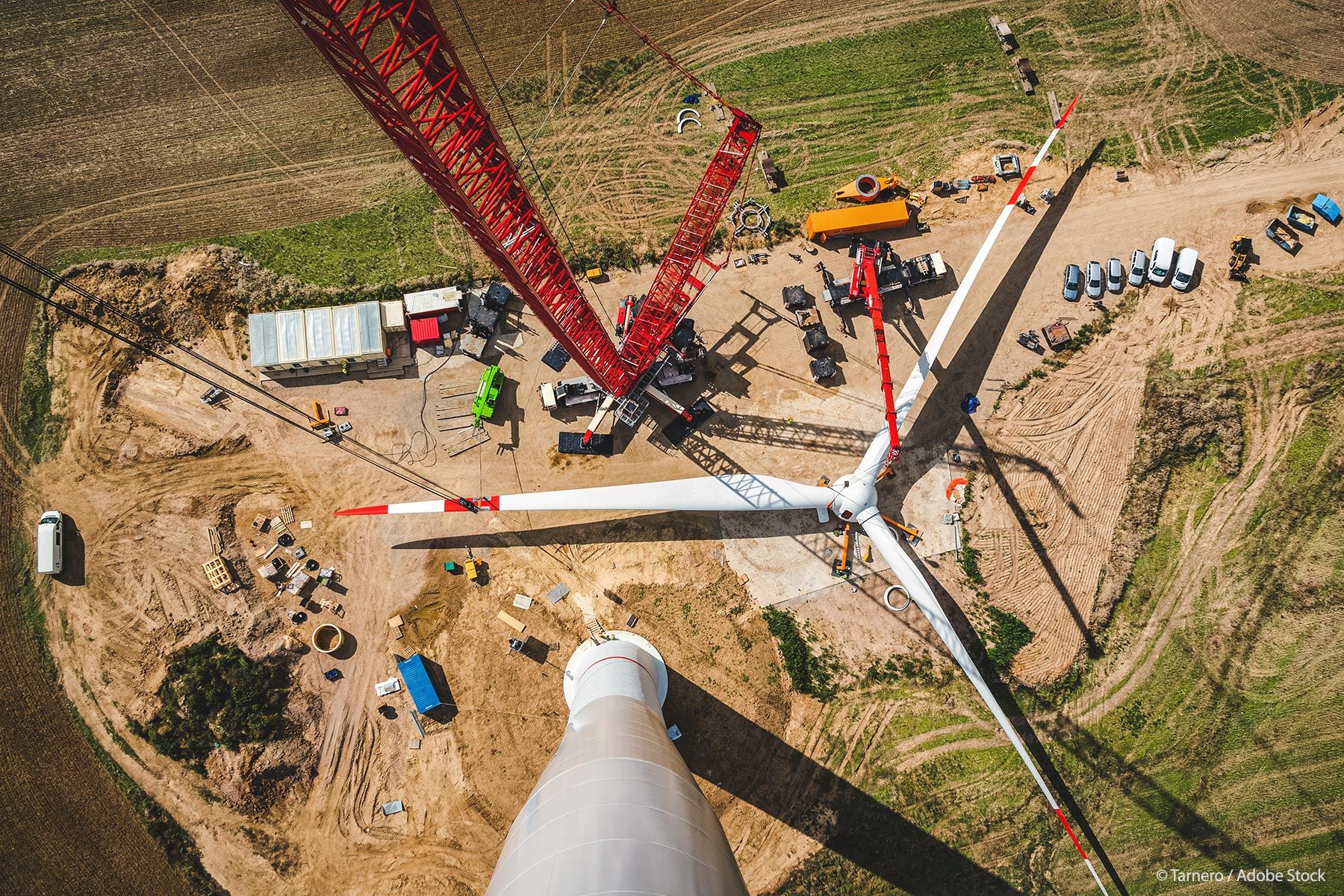
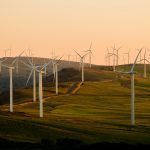
Contrucción de un molino de viento

  • Faster procedures to issue permits for renewable energy installations
  • A boost for the EU’s domestic production amid energy crisis
  • The scheme will reduce dependence on fossil fuels imported from Russia

In their amendments to the Commission proposal, MEPs shortened the maximum period to approve new installations from twelve to nine months, if located in so-called “renewables acceleration areas”. These will be marked out by each member state depending on whether they are able to install renewables at a faster pace. If the competent authority does not respond by the deadline, the permit or request is deemed to be approved – following the so-called “positive silence” principle.

Outside such areas, the process should not exceed 18 months, MEPs say, – and not two years as originally proposed. On repowering existing renewable energy plants, MEPs want the permit-granting process to not exceed six months.

When establishing the rules for the designated renewable acceleration areas, EU countries must avoid or, if not possible, significantly reduce the negative environmental impact that may arise for such areas. Natura 2000 sites, nature parks and reserves as well as the identified bird and marine mammal migratory routes shall be excluded, except for artificial and built surfaces such as rooftops, parking lots or transport infrastructure. MEPs also added provisions to ensure the public is involved before an area is chosen to install a plant and before renewable areas are designated.

REPowerEU: deal on energy measures in national recovery plans


Boost solar panels equipment on buildings, heat pumps

The proposal also includes an obligation for EU countries to ensure that permits to install solar energy equipment on buildings are delivered within one month. For smaller installations below 50kW, a simple notification procedure would be enough. Installing solar equipment would be exempt from the requirement to conduct an environmental impact assessment, MEPs decided. The process to issue a permit to install heat pumps shall not exceed one month.

In order to bring more renewable energy to the grid without delay, MEPs also incorporated elements of a recent Commission proposal tabled under the so-called “emergency procedure”, so that most of the provisions would already come into force in 2023.

Quote

“Today, we laid the foundations for permanently faster processes to issue permits, to be able to use renewable energies more quickly and thus boost the energy transition. We introduced new measures giving member states and their authorising authorities more leeway, such as the principle of ‘Positive silence’ within renewables acceleration areas on the understanding that renewable energy projects are of overriding public interest and can benefit from simplified assessment for specific derogations in EU environmental legislation”, said lead MEP Markus Pieper (EPP, DE).

Next steps

The draft report was adopted with 407 votes to 34, with 181 abstentions. MEPs also voted to refer the file back to committee in order to enter into talks with Council for a first reading agreement.

Background

The draft legislation was tabled by the Commission as part of the REpowerEU package, which aims to cut European dependence on fossil fuel imports from Russia, following its aggression of Ukraine. It will amend the Renewable Energy, the Energy Efficiency and the Energy Performance of Buildings directives, on which separate revisions are ongoing as part of the “Fit for 55” package.

Source: European Parliament
Publicaciones relacionadas:

Renewable energies continue to be an upward trend Council agrees on emergency measures to reduce energy prices BSO – Tracking energy in our buildings La Comisión Europea aprueba la medida española y portuguesa para reducir el precio de la electricidadEnergy security in the EU In a first, the EU produced more energy from renewables than fossil fuels in 2020

Energy,  Environmental Affairs,  EU News Energy,  energy crisis,  European Parliment,  Renewable energies

“This is a space for debate. All comments, for or against publication, that are respectful and do not contain expressions that are discriminatory, defamatory or contrary to current legislation will be published”.

Reader Interactions

Leave a Reply Cancel reply

Your email address will not be published. Required fields are marked *

This site uses Akismet to reduce spam. Learn how your comment data is processed.

Primary Sidebar

Footer

  • CDE Almería
  • Biblioteca Nicolás Salmerón – Universidad de Almería
  • Planta: 1ª, Despacho: 1.05.0B.
  • Ctra. Sacramento s/n. Almería (Spain)
  • Teléfono: (+34) 950 015266

HOME
NEWS
DOCUMENTATION
EUROPE ON THE NET
ABOUT US

  • LEGAL NOTICE
  • PRIVACY POLICY
  • COOKIE POLICY
  • ACCESSIBILITY
  • SITEMAP

Copyright © 2026 CDE Almería · Creative Commons LicenseThis work is licensed under a Creative Commons Attribution-NonCommercial 4.0 International License.

<p>El Centro de Documentación Europea de la Universidad de Almería utiliza cookies propias y de terceros para facilitar al usuario la navegación en su página Web y el acceso a los distintos contenidos alojados en la misma. Asimismo, se utilizan cookies analíticas de terceros para medir la interacción de los usuarios con el sitio Web. Pinche el siguiente enlace si desea información sobre el uso de cookies y como deshabilitarlas. </p>

Politica de privacidad

El Centro de Documentación Europea de la Universidad de Almería utiliza cookies propias y de terceros para facilitar al usuario la navegación en su página Web y el acceso a los distintos contenidos alojados en la misma. Asimismo, se utilizan cookies analíticas de terceros para medir la interacción de los usuarios con el sitio Web. Pinche el siguiente enlace si desea información sobre el uso de cookies y como deshabilitarlas. <a href="/politica-de-cookies" rel="noopener" target="_blank">Más información</a>

Cookies estrictamente necesarias

Las cookies estrictamente necesarias tiene que activarse siempre para que podamos guardar tus preferencias de ajustes de cookies.

Básicamente la web no funcionara bien si no las activas.

Estas cookies son:

  • Comprobación de inicio de sesión.
  • Cookies de seguridad.
  • Aceptación/rechazo previo de cookies.
Cookies de terceros

Esta web utiliza Google Analytics, Google Tag Manager y Yandex Metrika para recopilar información anónima tal como el número de visitantes del sitio, o las páginas más populares.

Dejar estas cookies activas nos permite mejorar nuestra web.

Política de cookies

Pinche el siguiente enlace si desea información sobre el uso de cookies y como deshabilitarlas. Más información