
Meet the 2021 Nobel Prize Laureates
We look back at the Nobel Prize winners in 2020. In this 2020 edition, we have four Europeans among the laureates: the British Roger Penrose and the German Reinhard Genzel in Physics; the French Emmanuelle Charpentier in Chemistry; and the British Michael Houghton in Medicine. The European presence among the science categories shows the European Union’s efforts in developing research.
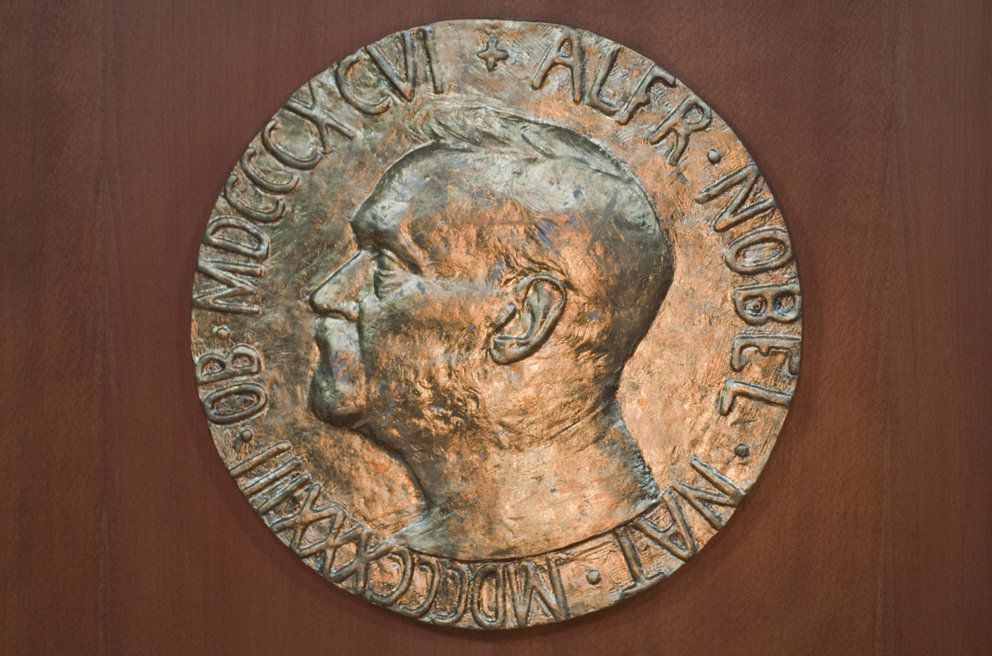
The Nobel Prize in Physics 2020
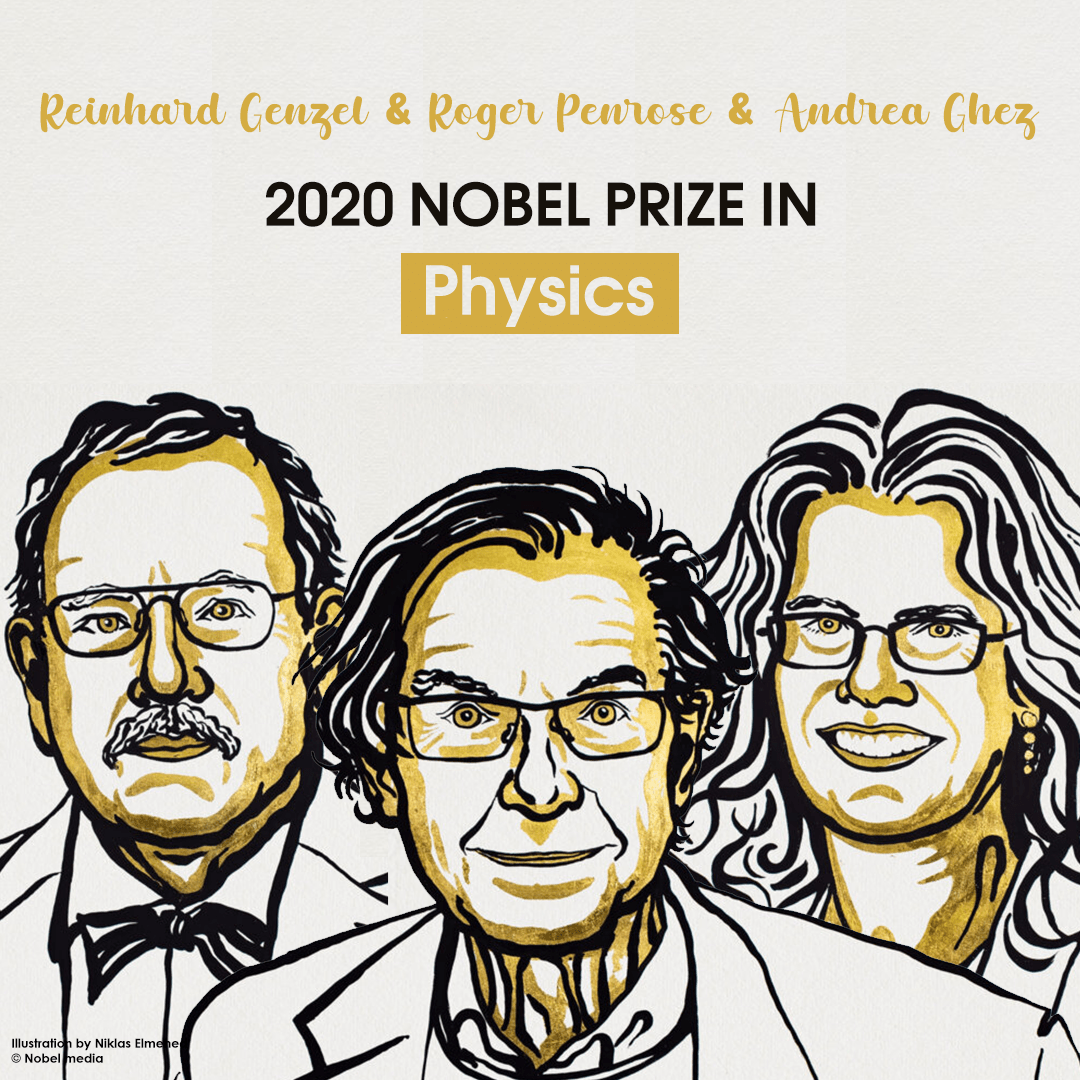
The Nobel Prize in Physics 2020 was divided, one half awarded to the British Roger Penrose “for the discovery that black hole formation is a robust prediction of the general theory of relativity”, the other half jointly to the German Reinhard Genzel and the American Andrea Ghez “for the discovery of a supermassive compact object at the centre of our galaxy.”
Roger Penrose showed that the Einstein’s general theory of relativity leads to the formation of black holes. Reinhard Genzel and Andrea Ghez discovered that an invisible and extremely heavy object governs the orbits of stars at the centre of our galaxy. A supermassive black hole is the only currently known explanation.
The Nobel Prize in Chemistry 2020
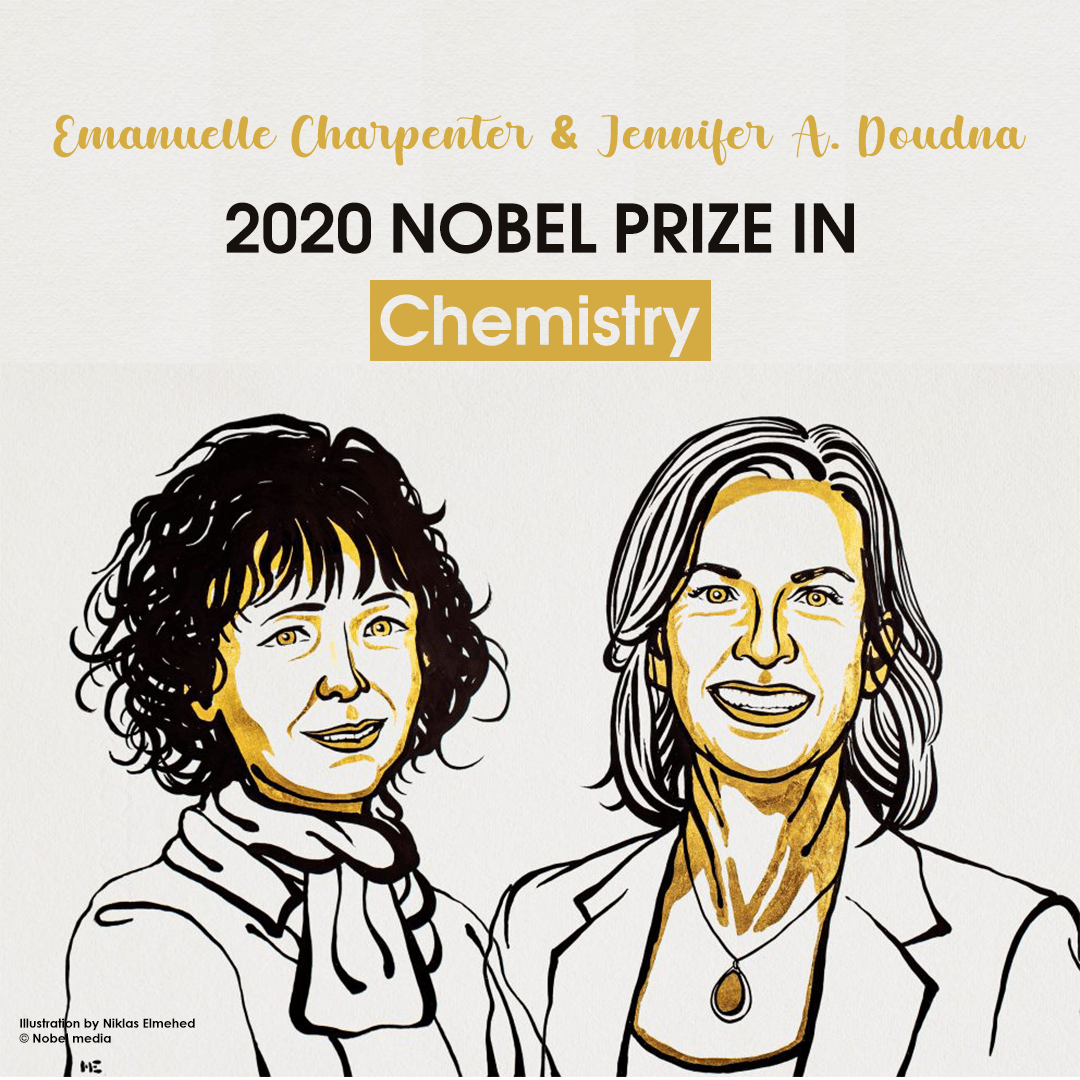
The Nobel Prize in Chemistry 2020 was awarded jointly to the French Emmanuelle Charpentier and the American Jennifer A. Doudna “for the development of a method for genome editing.”
Emmanuelle Charpentier and Jennifer A. Doudna have discovered one of gene technology’s sharpest tools: the CRISPR/Cas9 genetic scissors. Using these, researchers can change the DNA of animals, plants and microorganisms with extremely high precision. This technology has had a revolutionary impact on the life sciences, is contributing to new cancer therapies and may make the dream of curing inherited diseases come true.
The Nobel Prize in Medicine 2020
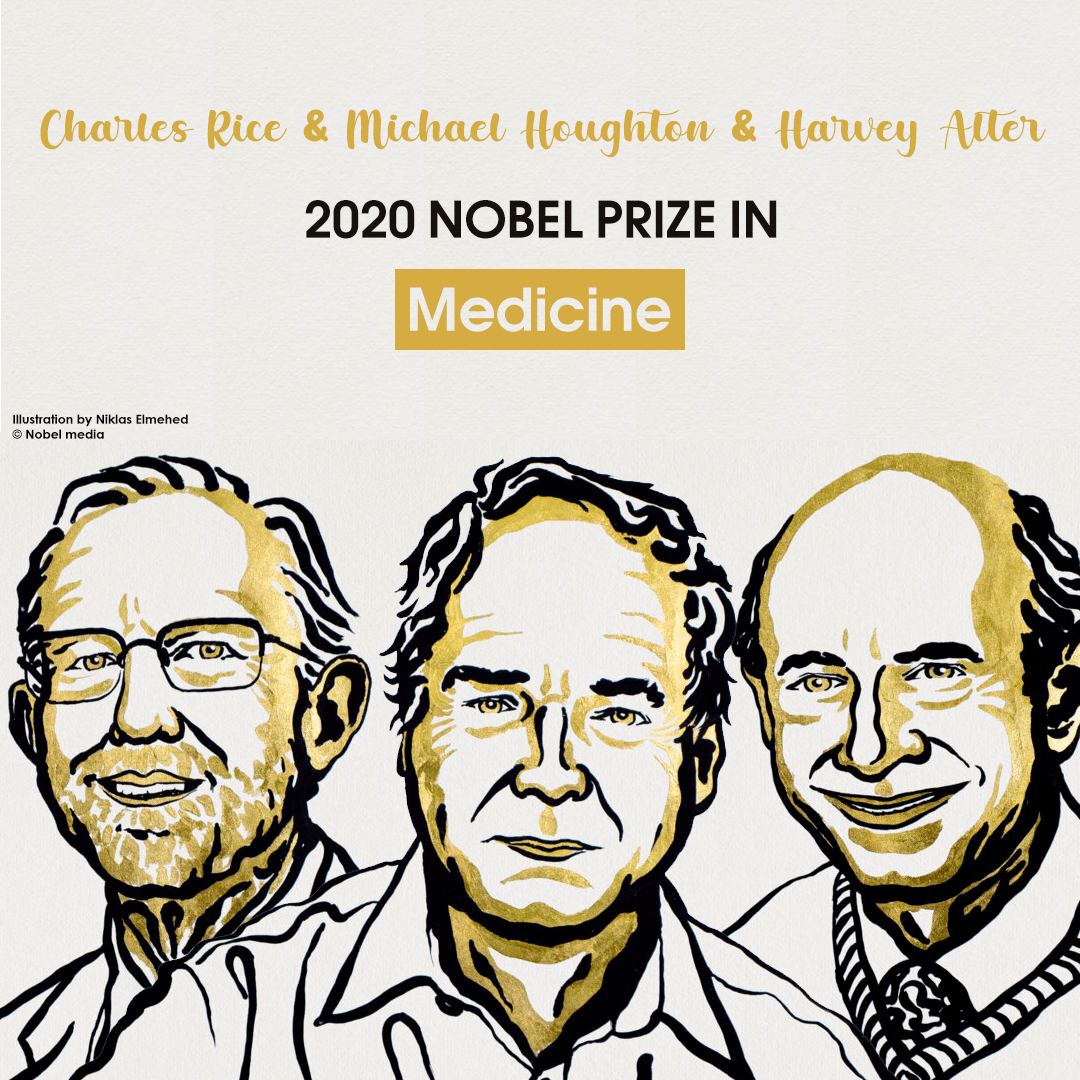 The Nobel Prize in Physiology or Medicine 2020 was awarded jointly to the British Michael Houghton and the Americans Harvey J. Alter, and Charles M. Rice “for the discovery of Hepatitis C virus.”
Prior to their work, the discovery of the Hepatitis A and B viruses had been critical steps forward, but the majority of blood-borne hepatitis cases remained unexplained. The discovery of Hepatitis C virus revealed the cause of the remaining cases of chronic hepatitis and made possible blood tests and new medicines that have saved millions of lives.
The Nobel Prize in Literature 2020
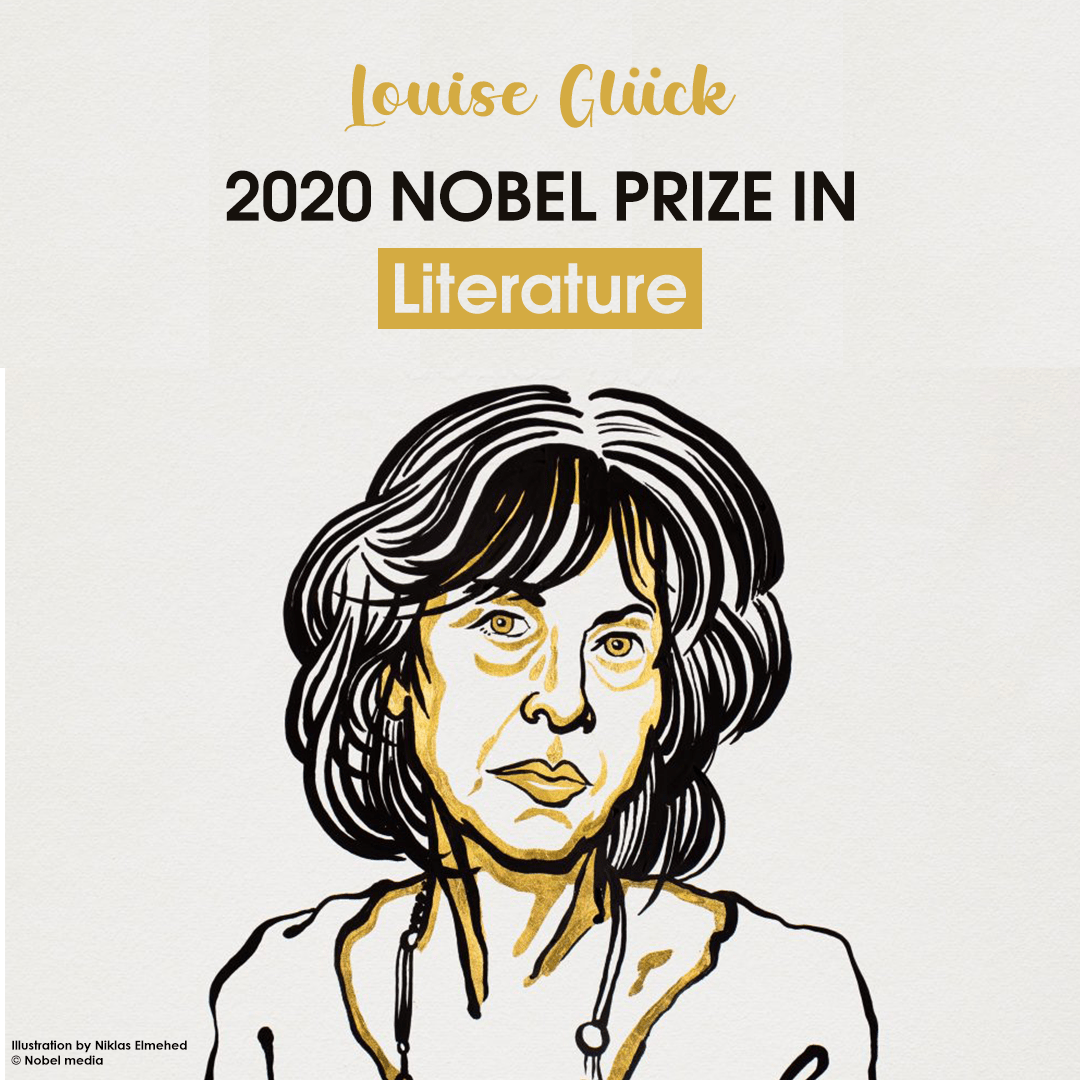 The Nobel Prize in Literature 2020 was awarded to Louise Glück “for her unmistakable poetic voice that with austere beauty makes individual existence universal.”
Louise Glück made her debut in 1968 with Firstborn, and was soon acclaimed as one of the most outstanding poets of contemporary American literature.
The Nobel Prize in Peace 2020
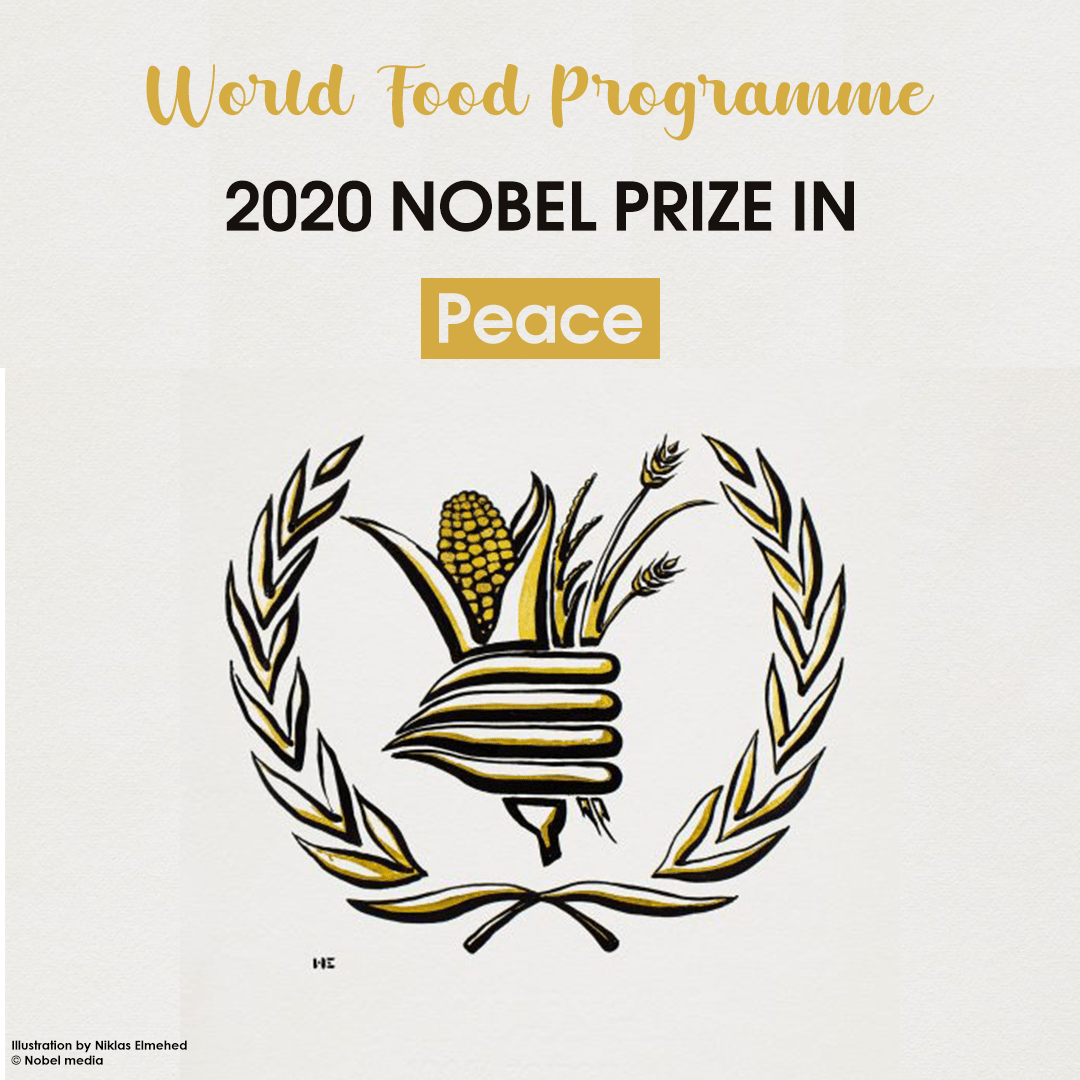 The Nobel Peace Prize 2020 was awarded to World Food Programme (WFP) “for its efforts to combat hunger, for its contribution to bettering conditions for peace in conflict-affected areas and for acting as a driving force in efforts to prevent the use of hunger as a weapon of war and conflict.”
The eradication of hunger is one of the Sustainable Development Goals, and in 2019 alone, WFP assisted 97 million people in 88 countries around the world. The award will recognize the work of WFP and, above all, make its work visible in the countries of the North, where the main donors are located.
The Nobel Prize in Economic Sciences 2020
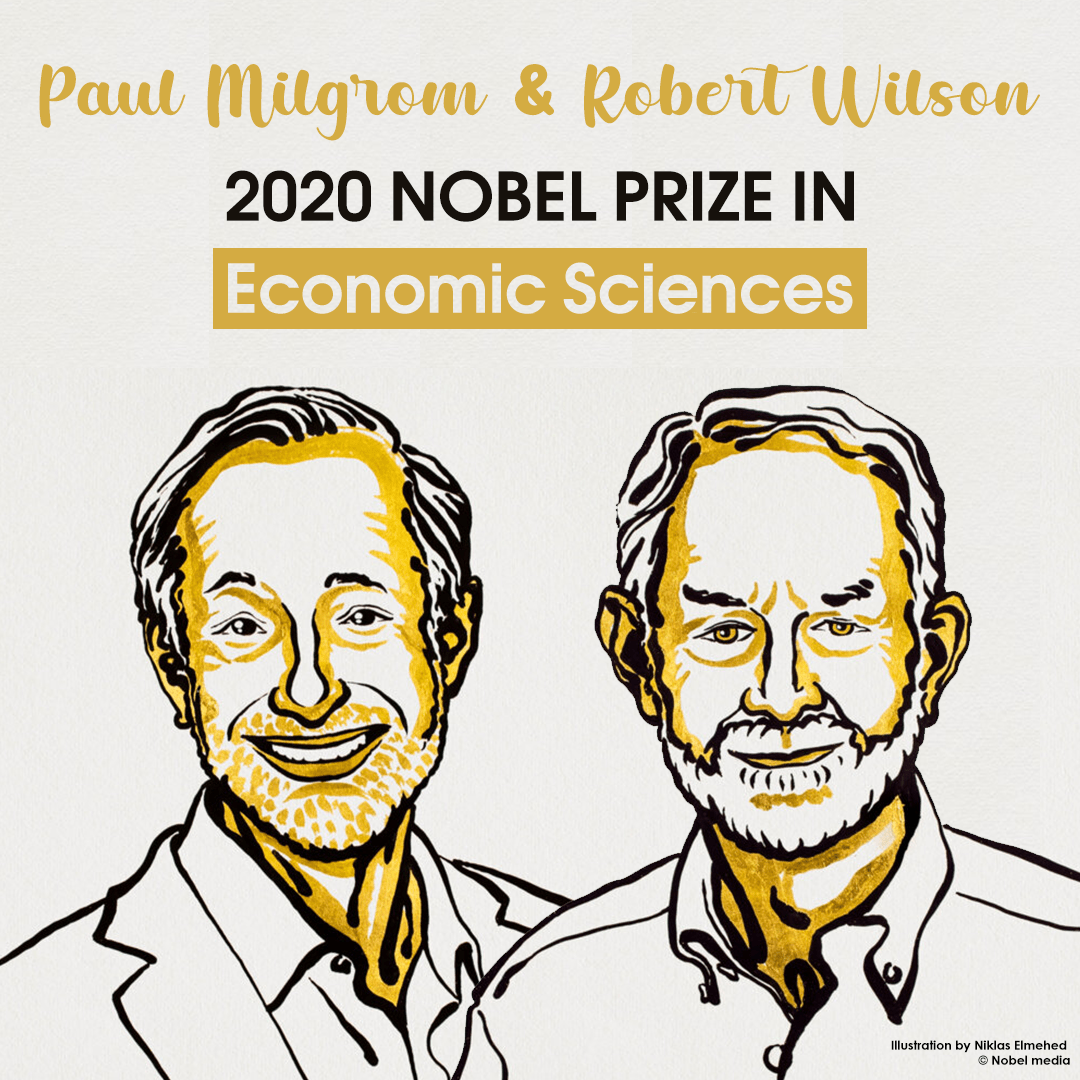
Mathematicians and professors from Stanford University, Americans Paul R. Milgrom and Robert B. Wilson have been awarded the Sveriges Riksbank Prize in Economic Sciences in Memory of Alfred Nobel 2020 “for improvements to auction theory and inventions of new auction formats”.
Milgrom studied statistics at Stanford University, where he has been a professor since 1987. Robert B. Wilson is Professor Emeritus at Stanford University and was a professor at Milgrom himself. Both have studied how auctions work. They have also used their insights to design new auction formats for goods and services that are difficult to sell in a traditional way, such as radio frequencies. Their discoveries have benefitted sellers, buyers and taxpayers around the world.
More information
Publicaciones relacionadas:
 Parliament launches the Daphne Caruana Galizia journalism prize
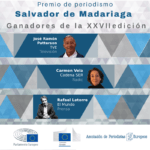 José Ramón Patterson, Carmen Vela and Rafael Latorre, winners of the Salvador de Madariaga European Journalism Award
 Promoting Europe’s cultural heritage and diversity
 Galileo satellite improves performance and safety during summer activities
 Europe-Wide Day of Remembrance for the victims of all totalitarian regimes
Leave a Reply