• Skip to primary navigation
  • Skip to main content
  • Skip to primary sidebar
  • Skip to footer
  • Bluesky
  • Facebook
  • Instagram
  • Twitter
  • YouTube
CDE Almería – Centro de Documentación Europea – Universidad de Almería

CDE Almería - Centro de Documentación Europea - Universidad de Almería

Centro de Documentación Europea de la Universidad de Almería

  • HOME
  • WHAT´S ON
    • EU NEWS
    • Activities
    • EU Calls and Awards
    • Radio Program «Europe with You»
  • DOCUMENTATION
    • EU Media Collection
      • Web Space
      • MEDIATHEQUE REPOSITORY
  • Europe on the net
    • Institutions
    • EU Representation in Spain
    • European information network of Andalusia
  • ABOUT US
    • Presentation
    • Services
    • People
    • Contact
  • Spanish
  • English

Maritime safety: deal on stricter measures to stop shipping pollution

Inicio » Noticias UE » Medio Ambiente » Transport » Maritime safety: deal on stricter measures to stop shipping pollution

20 de February de 2024

Parliament and Council negotiators reached an informal deal to extend an existing ban on discharge of oil spills by ships to include sewage and garbage.
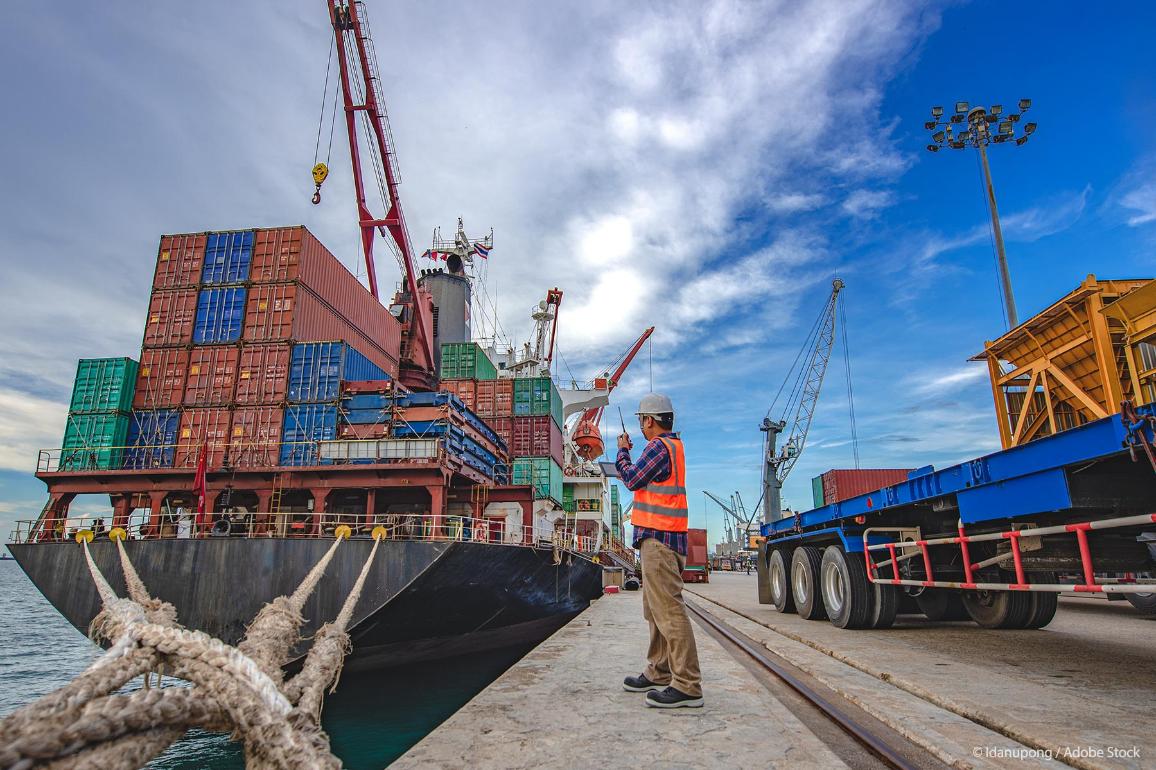
vista trabajador en un puerto y un barco de carga

On Thursday, EU co-legislators preliminarily agreed to update EU rules on preventing pollution from ships in European seas and ensuring perpetrators face fines.

Banning more types of spills from ships

According to the deal, the current list of substances banned from being discharged from ships, such as oil and noxious liquid substances, will now include the discharge of sewage, garbage, and residues from scrubbers.

MEPs managed to secure an obligation for the EU to review the rules five years after their transposition into national law to assess if marine plastic litter, loss of containers and plastic pellet spills from ships should also face penalties.

More robust verification

MEPs ensured EU countries and the Commission will communicate more on pollution incidents, best practices to tackle pollution, and follow-up measures, following alerts by the European satellite system for oil spill and vessel detection, CleanSeaNet. To prevent illegal discharge from dispersing and therefore becoming undetectable, the agreed text foresees the digital check of all high confidence CleanSeaNet alerts and an aim to verify at least 25% of them by the competent national authorities.

Effective penalties

EU countries will need to introduce effective and dissuasive fines for ships breaching these rules, while criminal sanctions were addressed in separate legislation MEPs already agreed with EU governments last November. According to preliminary deal, EU countries shall not set penalties at such a low level that would fail to ensure its dissuasive nature.

Next steps

The preliminary deal still needs to be approved by Council and Parliament. EU countries will have 30 months to transpose new rules into national law and prepare for its implementation.

Background

The deal on the revision of the directive on ship-source pollution is a part of the Maritime safety package presented by the Commission in June 2023. The package aims to modernise and reinforce EU maritime rules on safety and pollution prevention.

More information: European Parliament

Publicaciones relacionadas:

barco comercial lleno de contenedores en el puertoFit for 55: deal on new EU rules for cleaner maritime fuels Agreement between the European Parliament and Council to install more recharging and refuelling stations across Europe buque comercio marítimoEuropean Parliament approves law on sustainable marine fuels Single European Sky: lowering emissions and reducing delays How do Europeans feel about self-driving cars?



Environmental Affairs,  EU News,  Transport European Council,  European Parliament,  European Union,  Maritime safety,  shipping pollution

“This is a space for debate. All comments, for or against publication, that are respectful and do not contain expressions that are discriminatory, defamatory or contrary to current legislation will be published”.

Reader Interactions

Leave a Reply Cancel reply

Your email address will not be published. Required fields are marked *

This site uses Akismet to reduce spam. Learn how your comment data is processed.

Primary Sidebar

Footer

  • CDE Almería
  • Biblioteca Nicolás Salmerón – Universidad de Almería
  • Planta: 1ª, Despacho: 1.05.0B.
  • Ctra. Sacramento s/n. Almería (Spain)
  • Teléfono: (+34) 950 015266

HOME
NEWS
DOCUMENTATION
EUROPE ON THE NET
ABOUT US

  • LEGAL NOTICE
  • PRIVACY POLICY
  • COOKIE POLICY
  • ACCESSIBILITY
  • SITEMAP

Copyright © 2026 CDE Almería · Creative Commons LicenseThis work is licensed under a Creative Commons Attribution-NonCommercial 4.0 International License.

<p>El Centro de Documentación Europea de la Universidad de Almería utiliza cookies propias y de terceros para facilitar al usuario la navegación en su página Web y el acceso a los distintos contenidos alojados en la misma. Asimismo, se utilizan cookies analíticas de terceros para medir la interacción de los usuarios con el sitio Web. Pinche el siguiente enlace si desea información sobre el uso de cookies y como deshabilitarlas. </p>

Politica de privacidad

El Centro de Documentación Europea de la Universidad de Almería utiliza cookies propias y de terceros para facilitar al usuario la navegación en su página Web y el acceso a los distintos contenidos alojados en la misma. Asimismo, se utilizan cookies analíticas de terceros para medir la interacción de los usuarios con el sitio Web. Pinche el siguiente enlace si desea información sobre el uso de cookies y como deshabilitarlas. <a href="/politica-de-cookies" rel="noopener" target="_blank">Más información</a>

Cookies estrictamente necesarias

Las cookies estrictamente necesarias tiene que activarse siempre para que podamos guardar tus preferencias de ajustes de cookies.

Básicamente la web no funcionara bien si no las activas.

Estas cookies son:

  • Comprobación de inicio de sesión.
  • Cookies de seguridad.
  • Aceptación/rechazo previo de cookies.
Cookies de terceros

Esta web utiliza Google Analytics, Google Tag Manager y Yandex Metrika para recopilar información anónima tal como el número de visitantes del sitio, o las páginas más populares.

Dejar estas cookies activas nos permite mejorar nuestra web.

Política de cookies

Pinche el siguiente enlace si desea información sobre el uso de cookies y como deshabilitarlas. Más información